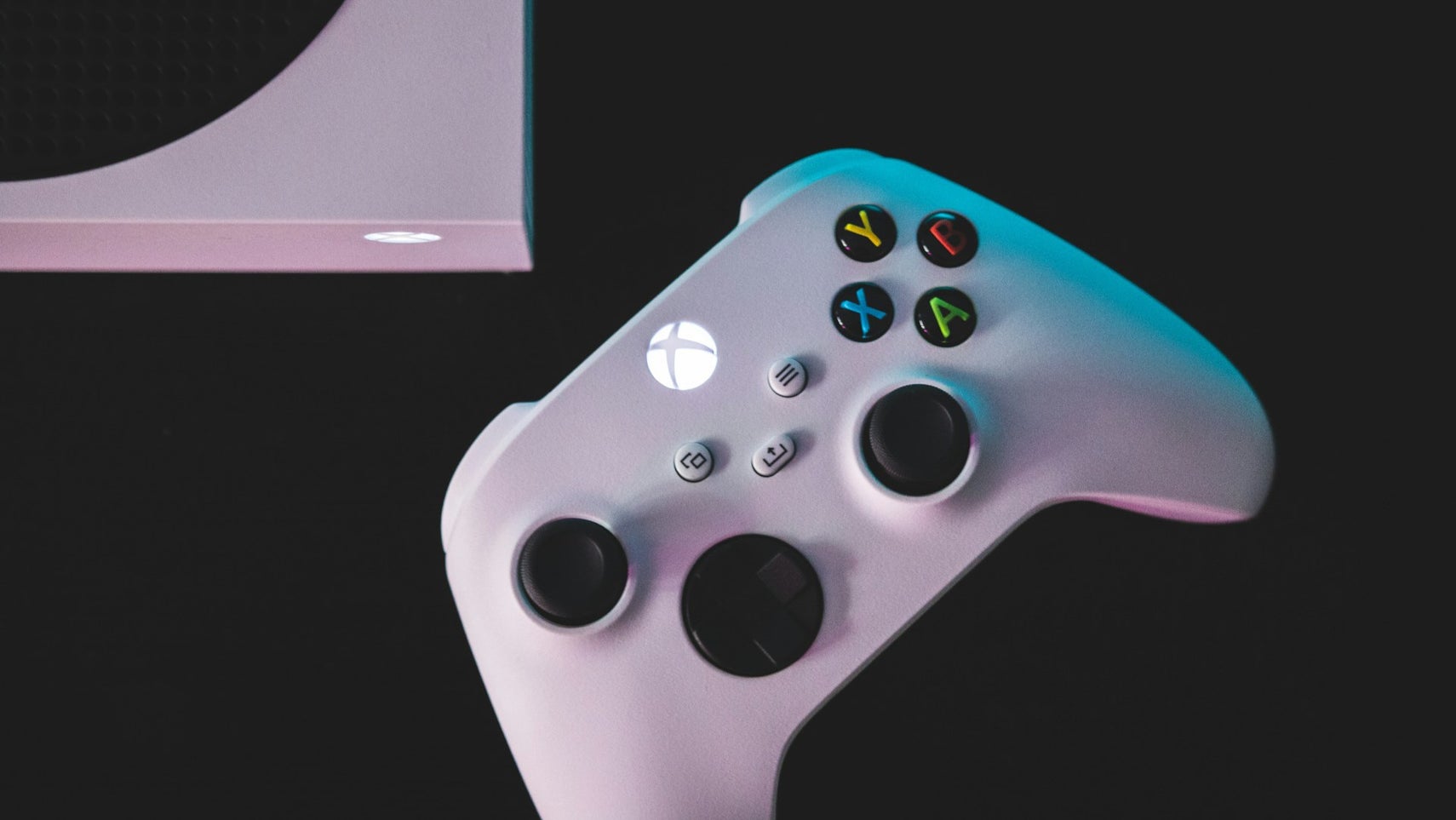
The initiative called "Casino in the Children's Room" aims to shift the focus in discussing young people's digital habits from screen time duration to the content of games and the mechanics used in them
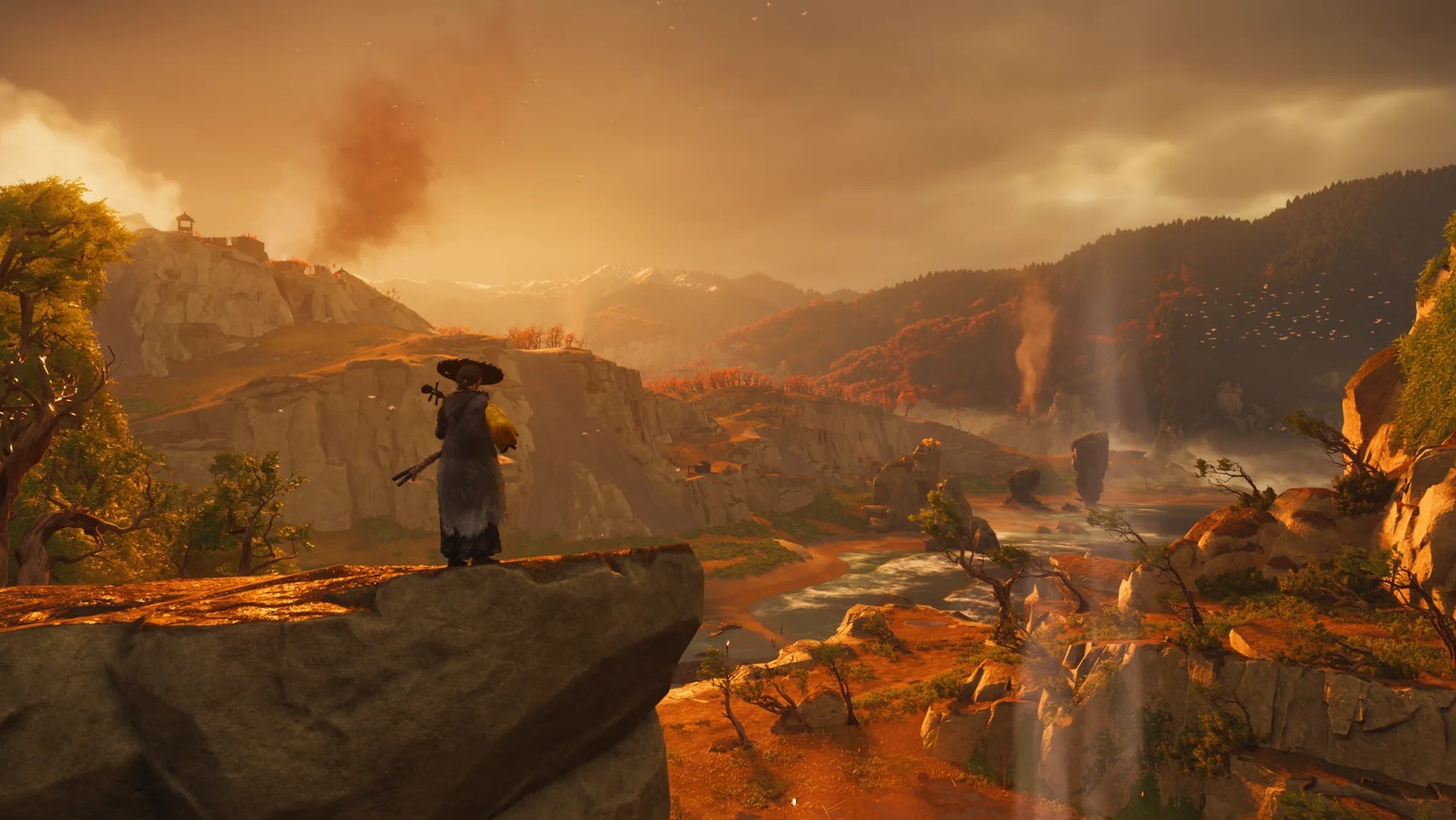
At Sony-owned studio Sucker Punch Productions, known for Ghost of Tsushima and Ghost of Yōtei, a wave of layoffs has occurred. According to media reports, 24 people lost their jobs, which is roughly one-tenth of the team. The layoffs happened amid the studio's transition to its next project
Microsoft has extended consultations about the future of Arkane Lyon, the French studio known for Dishonored and Deathloop, by a month. The procedure was originally set to conclude on November 13, but the new tentative deadline is December 13. If a resolution is not found, the studio faces closure, and 217 employees risk losing their jobs
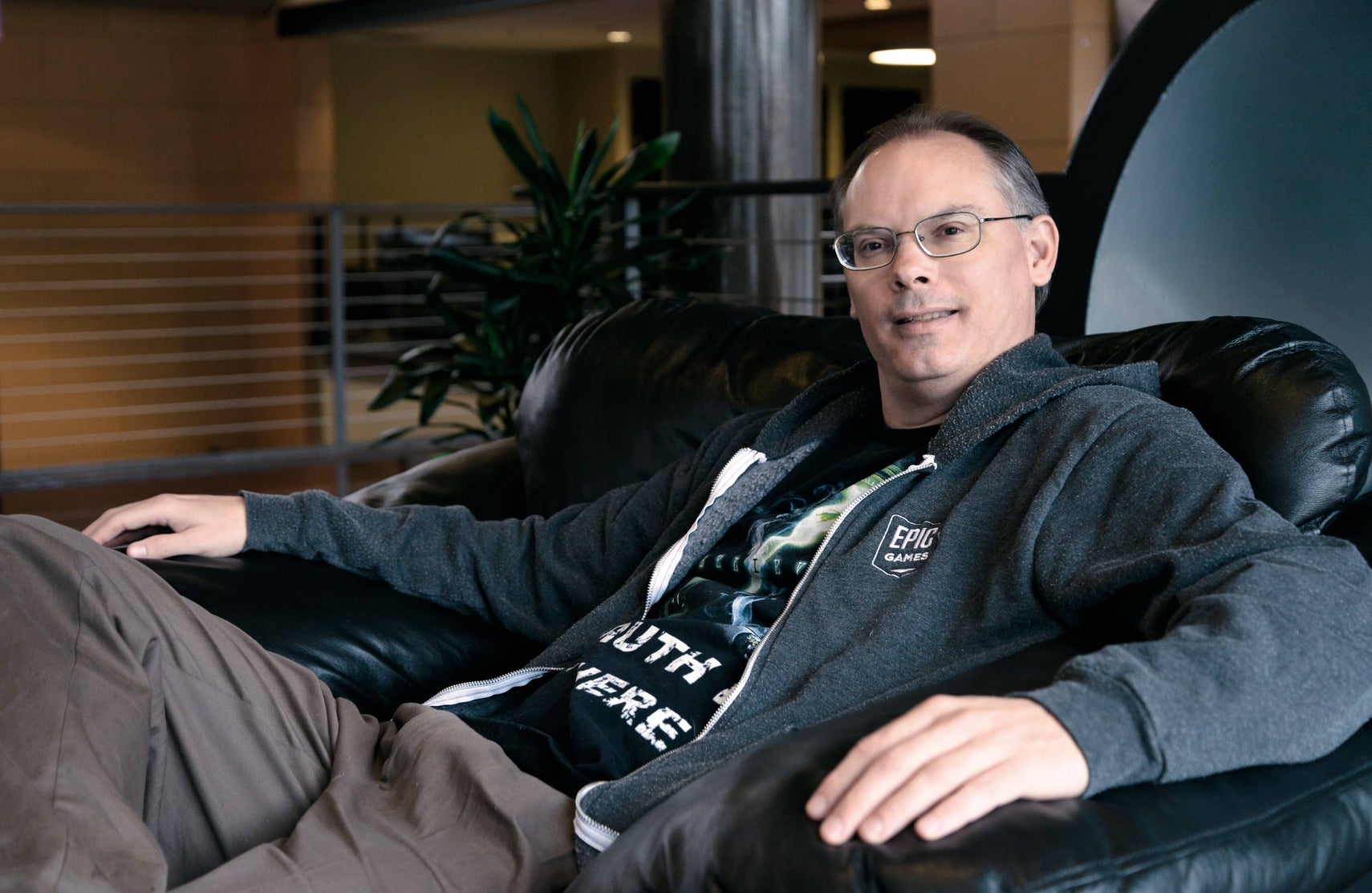
Epic Games CEO Tim Sweeney has once again criticized Steam's requirements to disclose information about the use of generative AI in games. In his view, such a practice could negatively impact the sales of their projects.
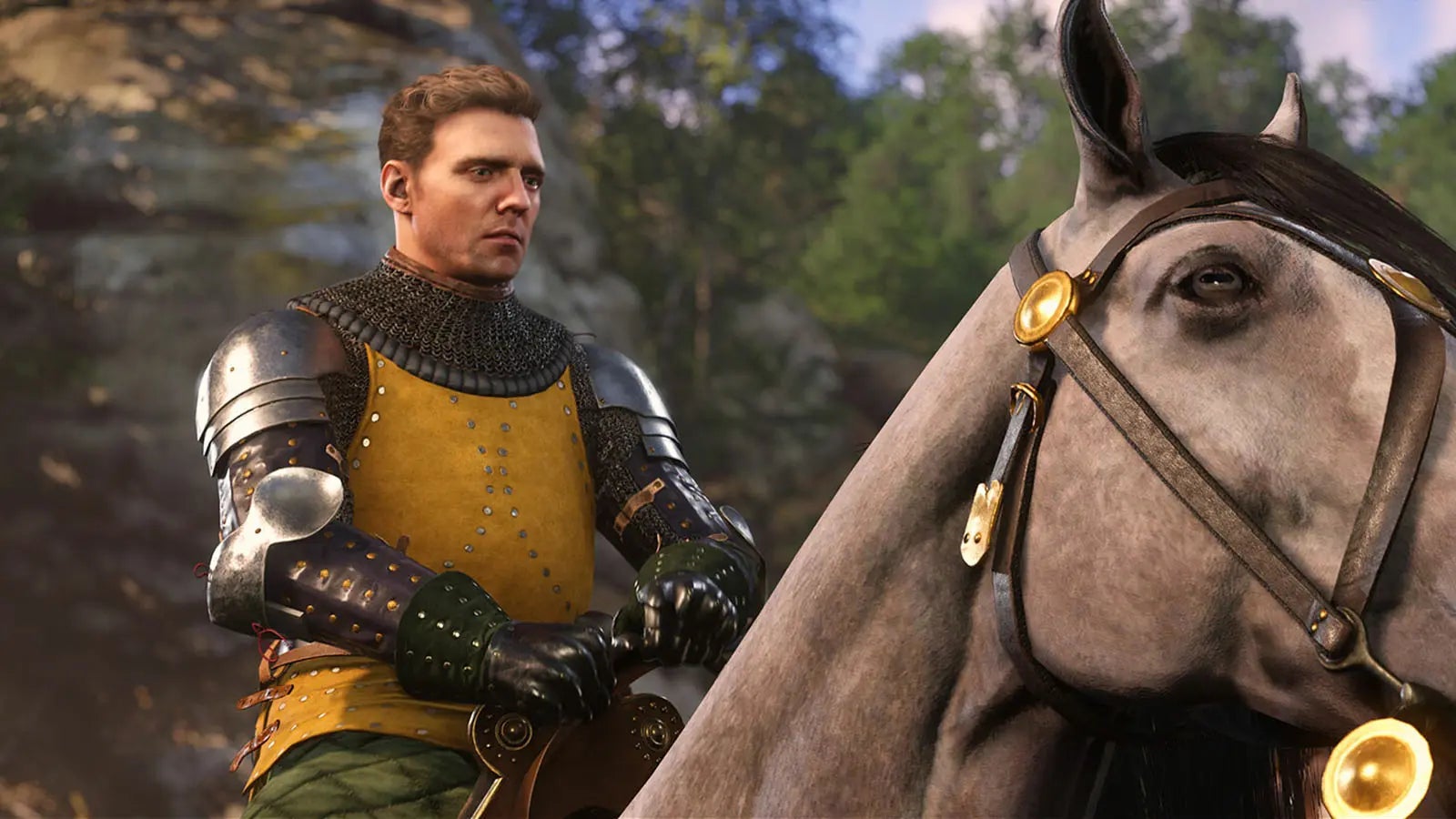
Microsoft has launched a voluntary redundancy program with compensation. The offer applies to about 60,000 people, or 27% of the corporation's employees. According to Reuters, the Xbox division is among those participating in the program
Valve announced the full launch of the Personal Calendar, a tool that recommends upcoming and recently released games on Steam based on users' interests. The company also published detailed rules for how projects can be included in the calendar.
The British studio Auroch Digital announced a restructuring, which may result in approximately 25% of the staff being laid off. The decision was made 12 days after the release of Warhammer 40,000: Boltgun 2 and shortly before the launch of the studio's next game, Warhammer Survivors
The cumulative revenue of the Call of Duty series since its debut in 2003 has exceeded $40 billion. This was reported on October 26 by Xbox head Asha Sharma, commenting on the release of Call of Duty: Modern Warfare 4
Tim Sweeney, the CEO of Epic Games, has again criticized Steam's AI disclosure policy, describing the company's stance on AI transparency as "a political act"
Side, a services provider, has broadened its operations in China through the inauguration of a new studio and the acquisition of the art outsourcing firm Roboto Entertainment.
Last week, on October 15-16, the WN Conference took place in the capital of Armenia. The event was supported by App2Top and gathered 410 representatives from the gaming industry across 211 companies. Here’s an overview of how it went and what the participants think about the conference.
Netflix is said to have proposed a $500 million deal to Microsoft to acquire a seven-year licensing agreement for Xbox intellectual property to create film and television adaptations.
Dave Oshry, CEO of New Blood Interactive, believes that the term "immersive sim" is not effective for marketing games. In his view, developers would benefit from using genre labels that are more understandable to the mainstream audience, such as RPG or stealth.
Arrowhead Game Studios does not plan to develop Helldivers 3. In an interview with Rock Paper Shotgun, the studio's creative director, Johan Pilestedt, explained that the main issue with a potential sequel would be the competition with the already existing Helldivers 2.
Users of Claude Opus 5.5 have started complaining that the service is increasingly refusing to perform tasks related to reverse engineering of software and games. The first such complaints appeared on October 21
The number of indie games that managed to sell at least 500,000 copies in the first month grew from 13 to 33 over the year. This is according to a study by Sensor Tower prepared for GamesIndustry.biz. Analysts note that the growth was driven not only by cooperative "friendslop" games but also by original projects from other genres
The SaveMassEffect petition on Change.org has gathered over 200,000 signatures in just five days. Its authors are urging Electronic Arts to continue developing the Mass Effect series, despite BioWare's closure and the cancellation of the next game in the franchise.
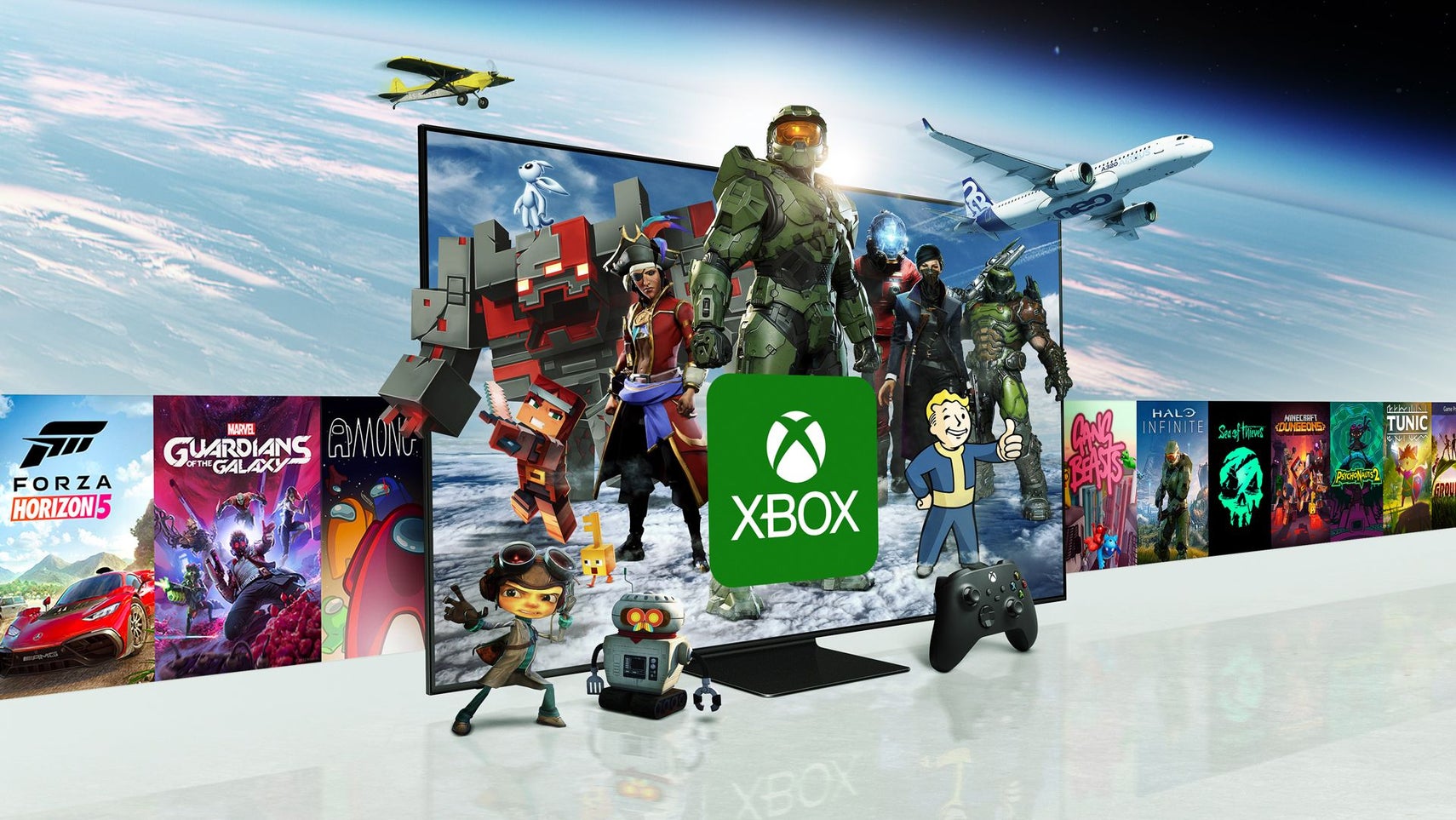
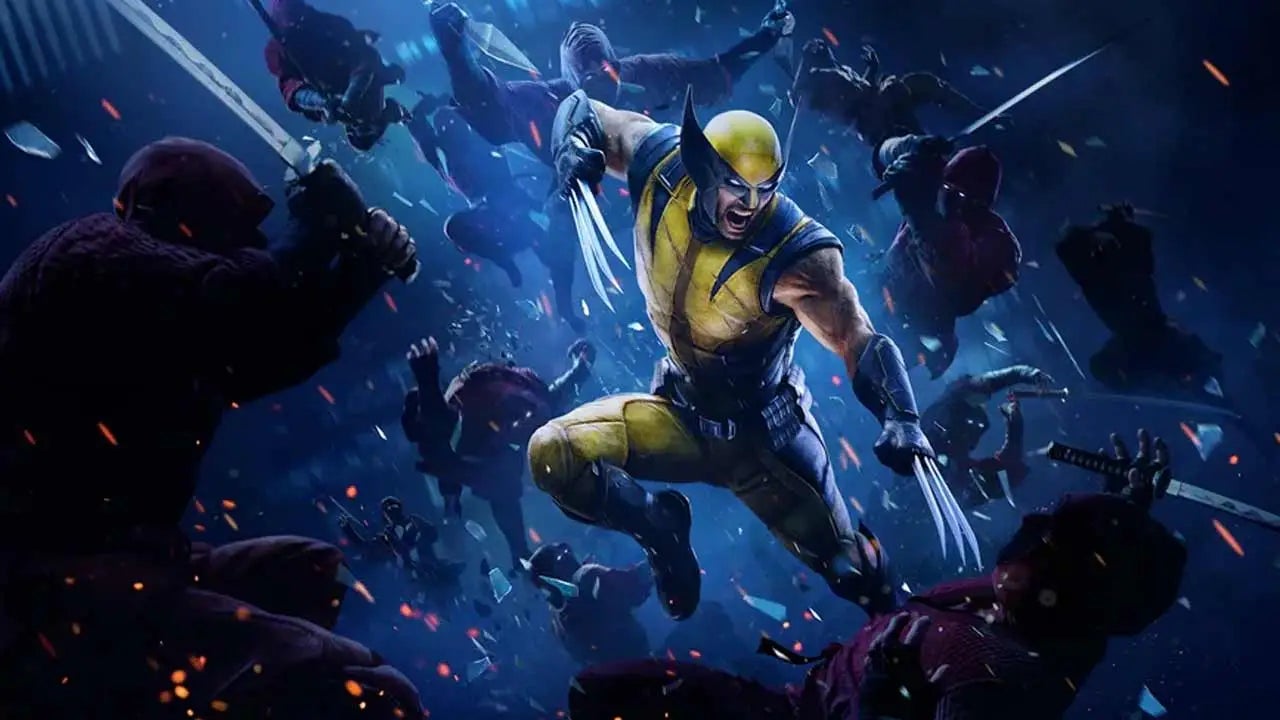
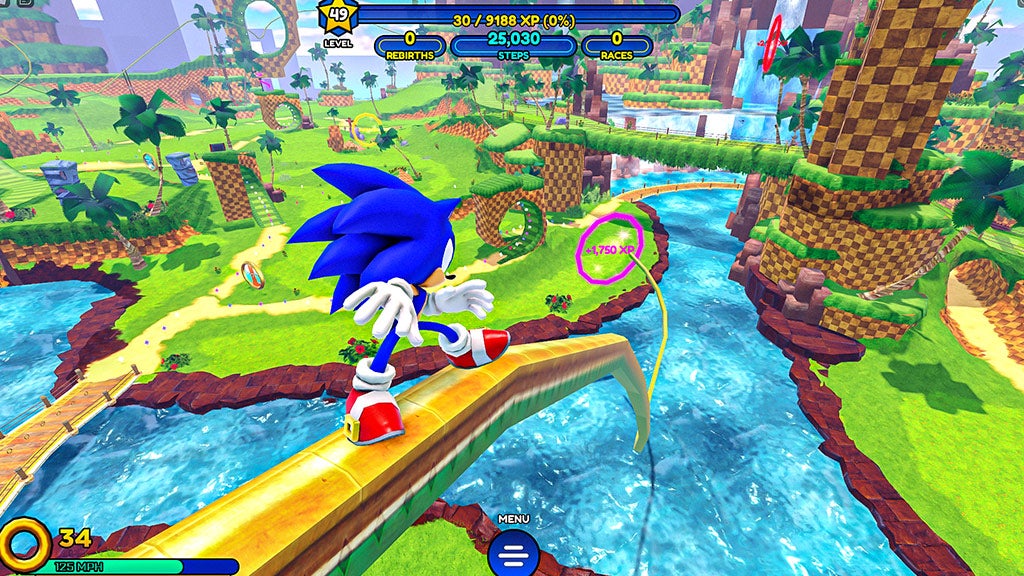
Roblox has surpassed Fortnite and Minecraft in total playtime on PC and consoles, Marvel’s Wolverine topped the September sales chart in the US, and Microsoft disclosed the hourly cost for accessing Xbox Cloud Gaming—here's a rundown of notable events in the gaming industry over the weekend.
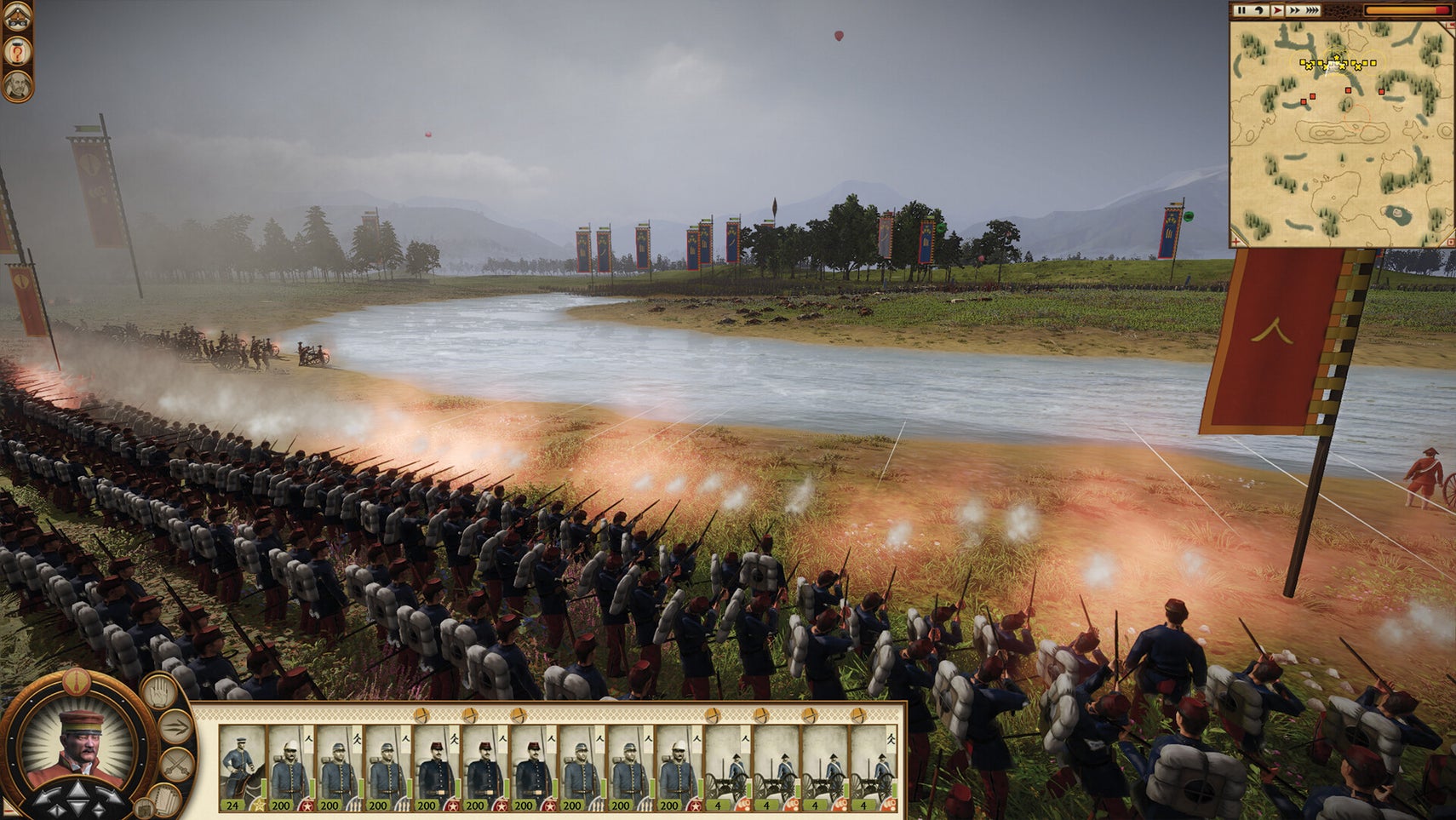
Creative Assembly has released a statement concerning the implementation of generative AI in Total War: Shogun 2 – Complete Edition. This development prompted the game's withdrawal from sale last week
Netflix attempted to acquire exclusive rights for film and television adaptations of Xbox gaming franchises. According to Puck, the streaming service offered Microsoft $500 million for a seven-year license, but Microsoft asked for $800 million. Ultimately, the negotiations did not result in a deal
The Swedish gaming group Stillfront has announced the appointment of a new CEO. Starting from November 1, 2026, Marcus Jacobs, who previously worked at Electronic Arts, King, and Embark Studios, will lead the company. He will replace Alexis Bonte
BioWare existed for almost 32 years. The end of its story clearly illustrates that games are created not by signs and logos, but by people. Today, we will explore how systemic issues led the studio to gradually lose its creative continuity and economic appeal to its owner
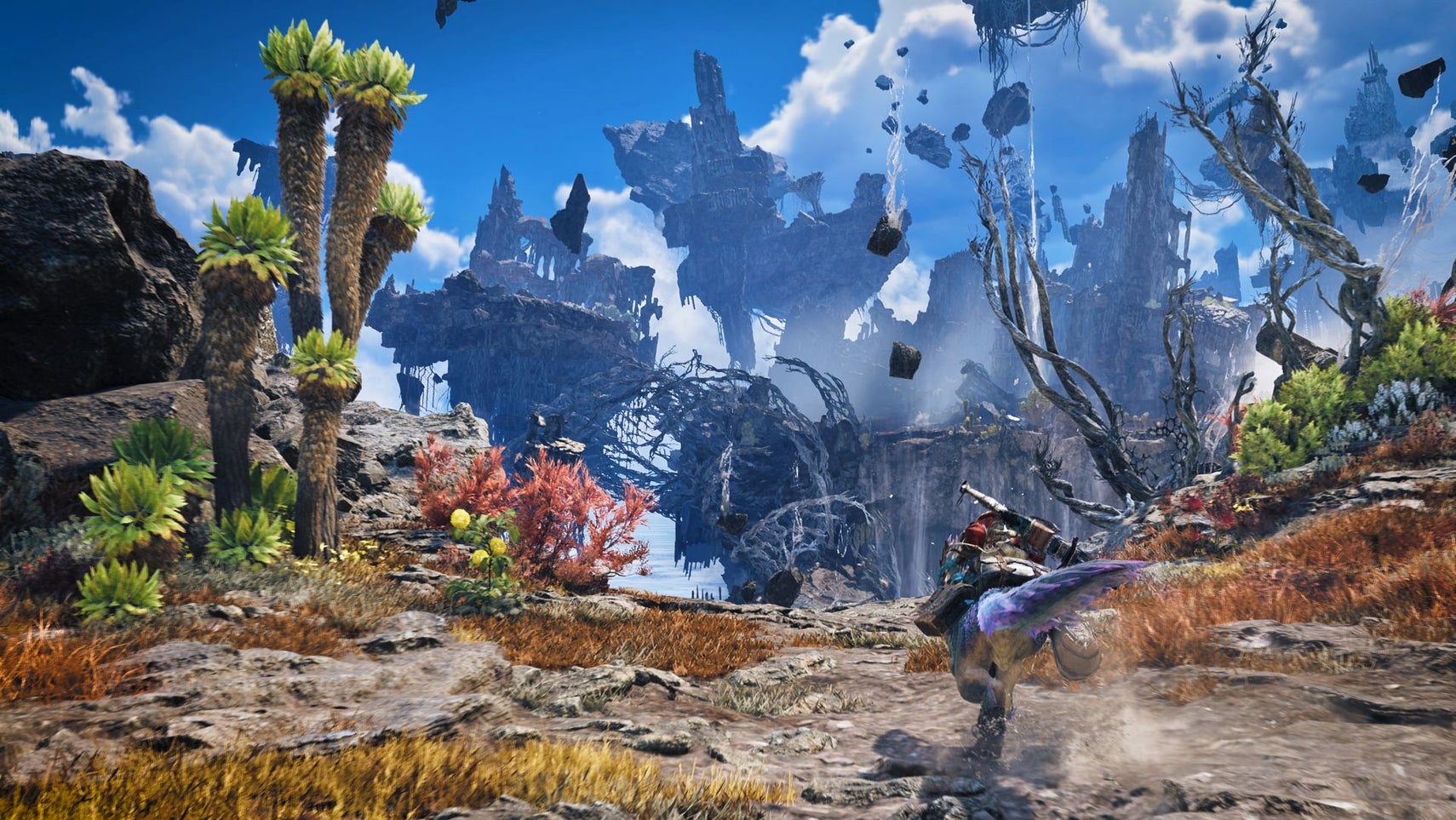
The cooperative game Peak reached consoles on October 22, 2026. Its price was set at $9.99 compared to $7.99 on PC. One of the game's developers, Nick Kaman, explained why the team decided to increase the price
On October 22, Epic Games announced the AI MegaJam, a game development contest focused on using neural networks. However, the announcement sparked dissatisfaction among some developers. On the same day, the company altered the participation rules
The leader of the New Democratic Party of Canada (NDP), Avi Lewis, has called on the federal authorities to help the employees of the closing BioWare buy out the studio from Electronic Arts. In his opinion, developers should have the opportunity to manage the company themselves.
Brazil's attempts to regulate the rapidly growing gambling market have not eliminated concerns related to household debts, gambling addiction, and organized crime
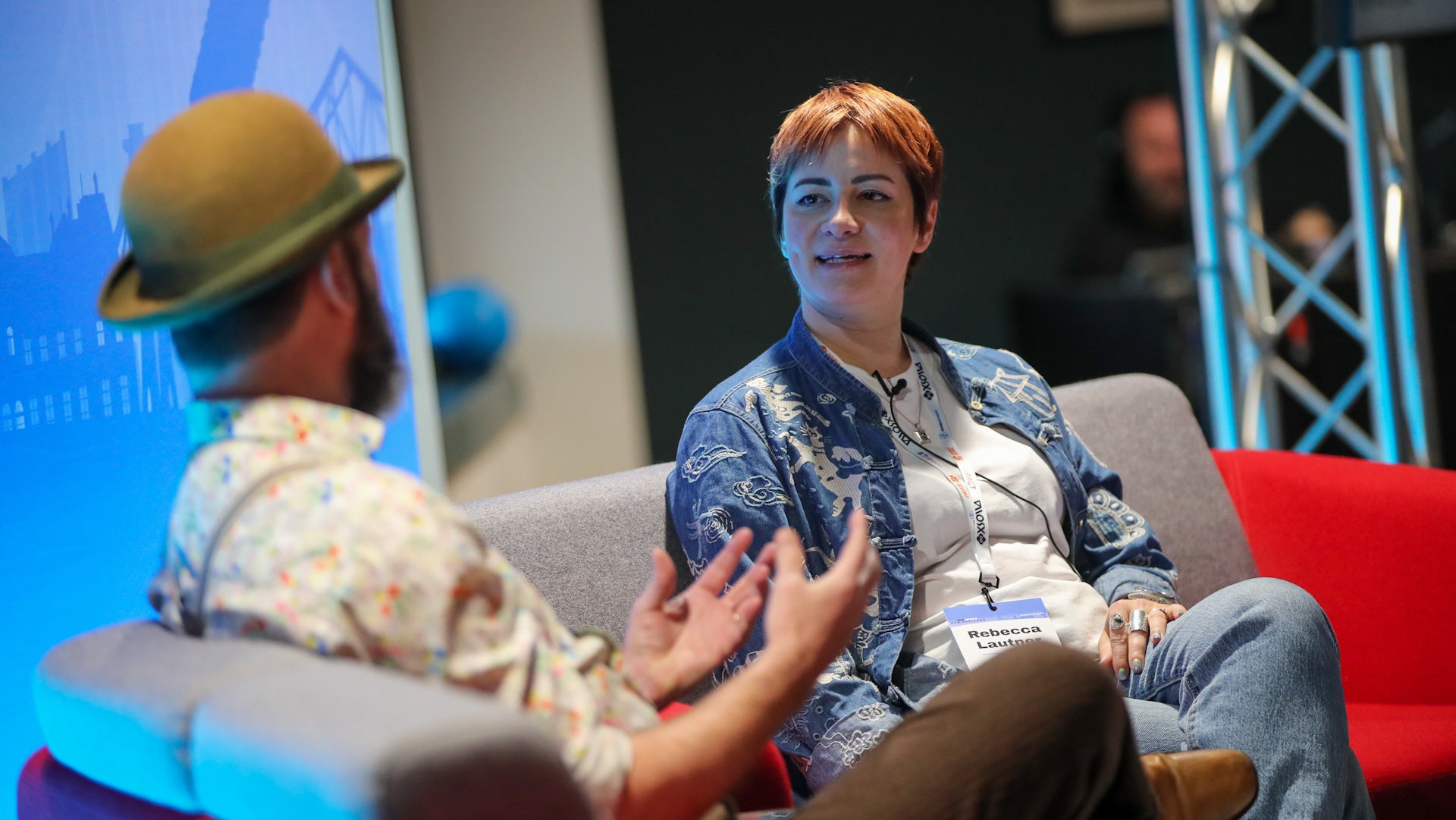
In the latest episode of the somewhat irregular GamesIndustry.biz podcast, a fireside chat with Rebecca Lautner, Chief Business Officer at Landfall Games, is presented. Recorded at Game Republic New Horizons, Lautner discusses with features editor Lewis Packwood that despite Peak selling over 23 million units, the developer is eager to pursue new projects.
CD Projekt co-head Michał Nowakowski, following the news about BioWare's closure, stated that the Canadian studio played a significant role in the history of the Polish company and helped bring the first The Witcher to market
"Yandex Games" announced a reduction in the commission for topping up a Steam wallet to 2%. Users will not need to subscribe to a paid membership or fulfill additional conditions. Let's explore how competitive this offer is in the Russian market.
The investment fund Mika Games, founded by Wargaming co-founder Nikolay Katselapov (Nick Katselapov), announced the acquisition of an additional $10 million. The funds are planned to be used for financing mobile studios and their marketing efforts.
During the first half of 2026, Roblox achieved a total of 4.05 billion hours of playtime across PC and console platforms, positioning it as the most-played game in terms of total hours.
Electronic Arts has shared new details about the restructuring of its gaming divisions. The company announced that it has begun preparations for the revival of the Fight Night series, is developing an open-world American football game, and has also revised its development plans for The Sims and skate
The Norwegian government has clarified its plans to restrict children's access to social networks. The forthcoming law may now cover not only traditional social networks but also gaming platforms, including Roblox
The American company Hasbro, which owns the rights to the Monopoly brand, reported revenues from the mobile game Monopoly Go. From January to September 2026, the game generated $127 million for the company, nearly the same amount as the previous year
/https://gameworldobserver.com/wp-content/uploads/2026/10/microsoft-60k-buyouts-1200x630.jpg)
/https://app2top.ru/wp-content/uploads/2026/10/denmark-igaming-1200x630.jpg)
/https://app2top.ru/wp-content/uploads/2026/10/Screen-Shot-10-27-26-at-12.38-PM-1200x630.png)
/https://app2top.ru/wp-content/uploads/2026/10/Screen-Shot-10-27-26-at-12.34-PM-1200x630.png)
/https://app2top.ru/wp-content/uploads/2026/10/fKRaDCqVyD7jFuXruQeJfg-1200x630.jpg)
/https://app2top.ru/wp-content/uploads/2026/10/Screen-Shot-10-27-26-at-11.48-AM-1200x630.png)
/https://app2top.ru/wp-content/uploads/2026/10/Steam-Calendar-1200x630.jpg)
/https://app2top.ru/wp-content/uploads/2026/10/Boltgun-1200x630.jpg)
/https://app2top.ru/wp-content/uploads/2026/10/Screen-Shot-10-27-26-at-11.35-AM-1200x630.png)



/https://app2top.ru/wp-content/uploads/2026/10/9W0A2022-1-1200x630.jpg)
/https://app2top.ru/wp-content/uploads/2026/10/ss_cad02fbb8c7c262aadb9accf4283a9b798e9c1c3.1920x1080-1200x630.jpg)
/https://app2top.ru/wp-content/uploads/2026/10/Gloomwood-1200x630.jpg)
/https://app2top.ru/wp-content/uploads/2026/10/Helldivers-2-1200x630.jpeg)
/https://app2top.ru/wp-content/uploads/2026/10/Screen-Shot-10-26-26-at-01.40-PM-1200x630.png)
.webp?width=570&quality=85&format=jpg&dpr=3&auto=webp)
/https://app2top.ru/wp-content/uploads/2026/10/Screen-Shot-10-26-26-at-01.27-PM-1-1200x630.png)
/https://app2top.ru/wp-content/uploads/2026/10/Mass-Effect-Universe-1200x630.jpg)
/https://app2top.ru/wp-content/uploads/2026/10/Screen-Shot-10-23-26-at-06.10-PM-1200x630.png)
/https://app2top.ru/wp-content/uploads/2026/10/Albion-Online-1200x630.jpg)
/https://app2top.ru/wp-content/uploads/2026/10/bioware-rip-2026-1200x630.jpg)
/https://gameworldobserver.com/wp-content/uploads/2026/10/Screen-Shot-10-23-26-at-02.45-PM_upscayl_2x_upscayl-standard-4x-1118x630.png)
/https://app2top.ru/wp-content/uploads/2026/10/capsule_616x353_upscayl_2x_upscayl-standard-4x-1200x630.png)

/https://app2top.ru/wp-content/uploads/2026/10/Peak-1200x630.jpg)
/https://app2top.ru/wp-content/uploads/2026/10/Screen-Shot-10-23-26-at-02.45-PM_upscayl_2x_upscayl-standard-4x-1118x630.png)
/https://app2top.ru/wp-content/uploads/2026/10/YVKeg3ZHUnns3N5BAXnxzm-650-80.jpg_upscayl_2x_upscayl-standard-4x-1200x630.png)
/https://app2top.ru/wp-content/uploads/2026/10/brazil-gambling-restictrions-1200x630.jpg)
/https://app2top.ru/wp-content/uploads/2026/10/Screen-Shot-10-22-26-at-04.06-PM-1200x630.png)
/https://app2top.ru/wp-content/uploads/2026/10/e8263e40-7b75-44cf-a904-49b144b025e6-1200x630.png)
/https://app2top.ru/wp-content/uploads/2026/10/wargaming-co-founder-launches-mika-games-to-support-mobile-studios_l890-600x280.jpg)
/https://app2top.ru/wp-content/uploads/2026/10/Screen-Shot-10-22-26-at-02.10-PM-1200x630.png)
/https://app2top.ru/wp-content/uploads/2026/10/Screen-Shot-10-22-26-at-01.32-PM-1200x630.png)
/https://app2top.ru/wp-content/uploads/2026/10/Screen-Shot-10-22-26-at-01.22-PM-1200x630.png)