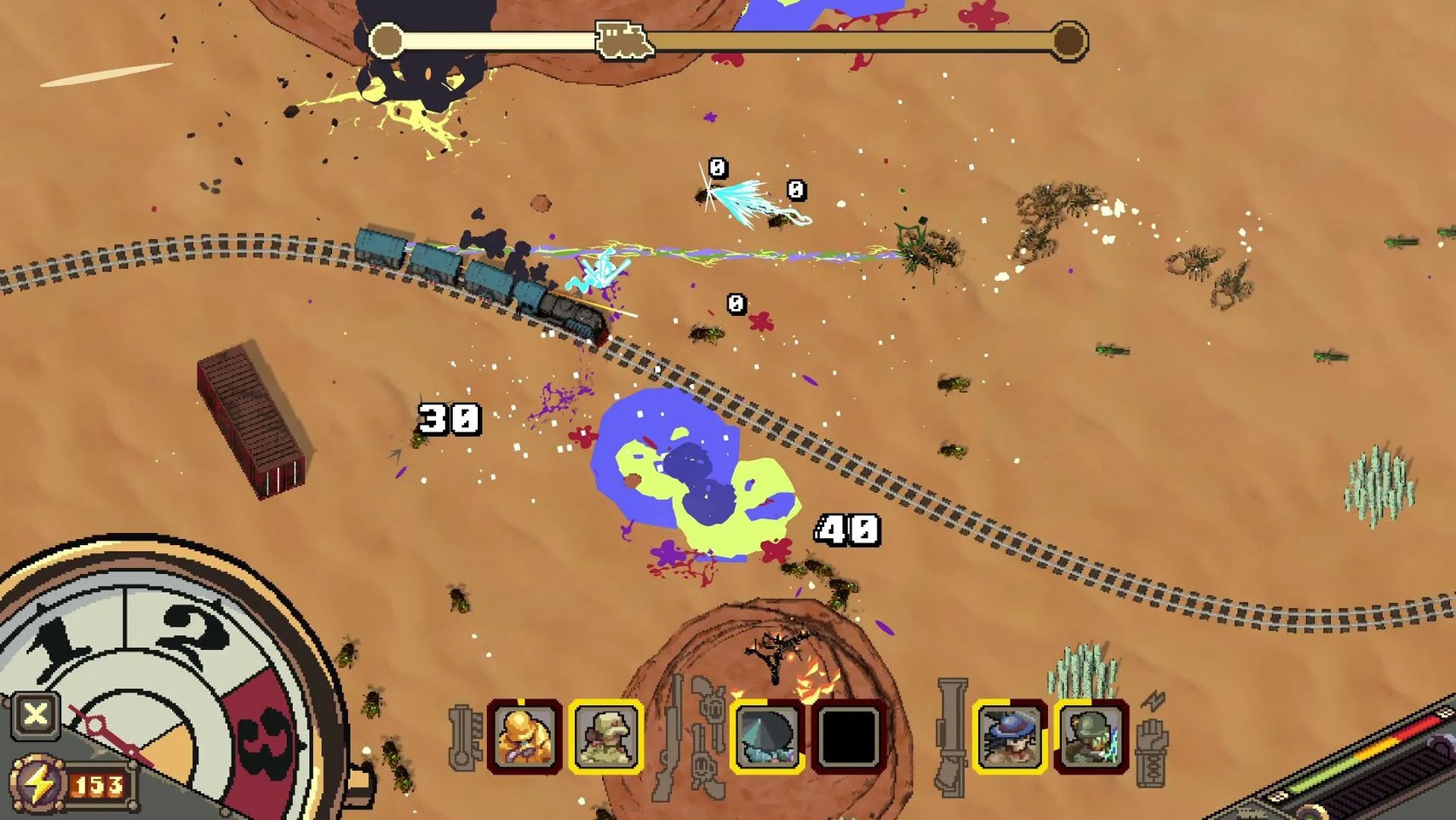
A backlog in Steam's submission and approval process is causing independent developers to postpone the release of their games
Numerous independent game developers have faced setbacks in their release schedules because of holdups in Steam's process for game submission and approval.
Rami Ismail, a developer, explained to Eurogamer about the delays affecting the recent version of Australia Did It: End-of-the-World Railway Defense Business, a collaboration with Aesthetician Labs, which has been pending approval since October 20, 2026.
He mentioned, "The failure was due to a minor controller input issue on November 5. We fixed it immediately, but have since received no substantial feedback from Valve, despite our follow-ups."
Ismail added that while delays were typical in console development, Steam was known for being quicker, with a pre-launch window of 10 to 14 days usually sufficient for addressing such issues and launching on schedule.
Other indie developers are encountering similar problems, according to Eurogamer, including TwoMenGames, Monoii Studio, and Studio Daimon.
Valve has acknowledged the backlog, noting a "significant rise in submissions" for reviews of store pages and builds in recent months. The company has been enhancing its processes over recent weeks to cope with this increase.
The typical review time aimed for by Valve is three to five business days. However, current delays have extended the process to up to 12 business days, primarily because re-reviewing games is causing additional lag.
In the light of last month's concerns about AI-generated game clones on Steam, Valve has not linked the delays with these generative AI submissions. Yet, Ismail is worried about the potential negative impact over time from Valve's stance.
He stated, "Valve's decision to refrain from a political stance on AI might eventually result in less favorable outcomes for developers."
According to Ismail, automated submissions of cloned games by AI could flood the system, leading Valve to tighten control, increase fees, or complicate the release process.
Ismail remarked, "In the open market Valve is fond of, they will bear the moderation expenses, but this scenario leaves no room for neutrality, forcing decisions that could worsen conditions for developers."
Earlier this year, Valve modified its AI policy on Steam to require disclosure only in specific cases, such as content generation. Since 2024, it has permitted "the vast majority of AI-utilizing games" on its platform.