Early Access on Steam is growing, and developers are increasingly equating it to a full release
The number of games released on Steam through the Early Access program continues to rise, and for many studios, such a launch has already become comparable in significance to a full release. According to SteamDB, by mid-October 2026, 2,924 games were released in Early Access on the Valve platform — 18% more than in 2025 and 60% more than in 2020.
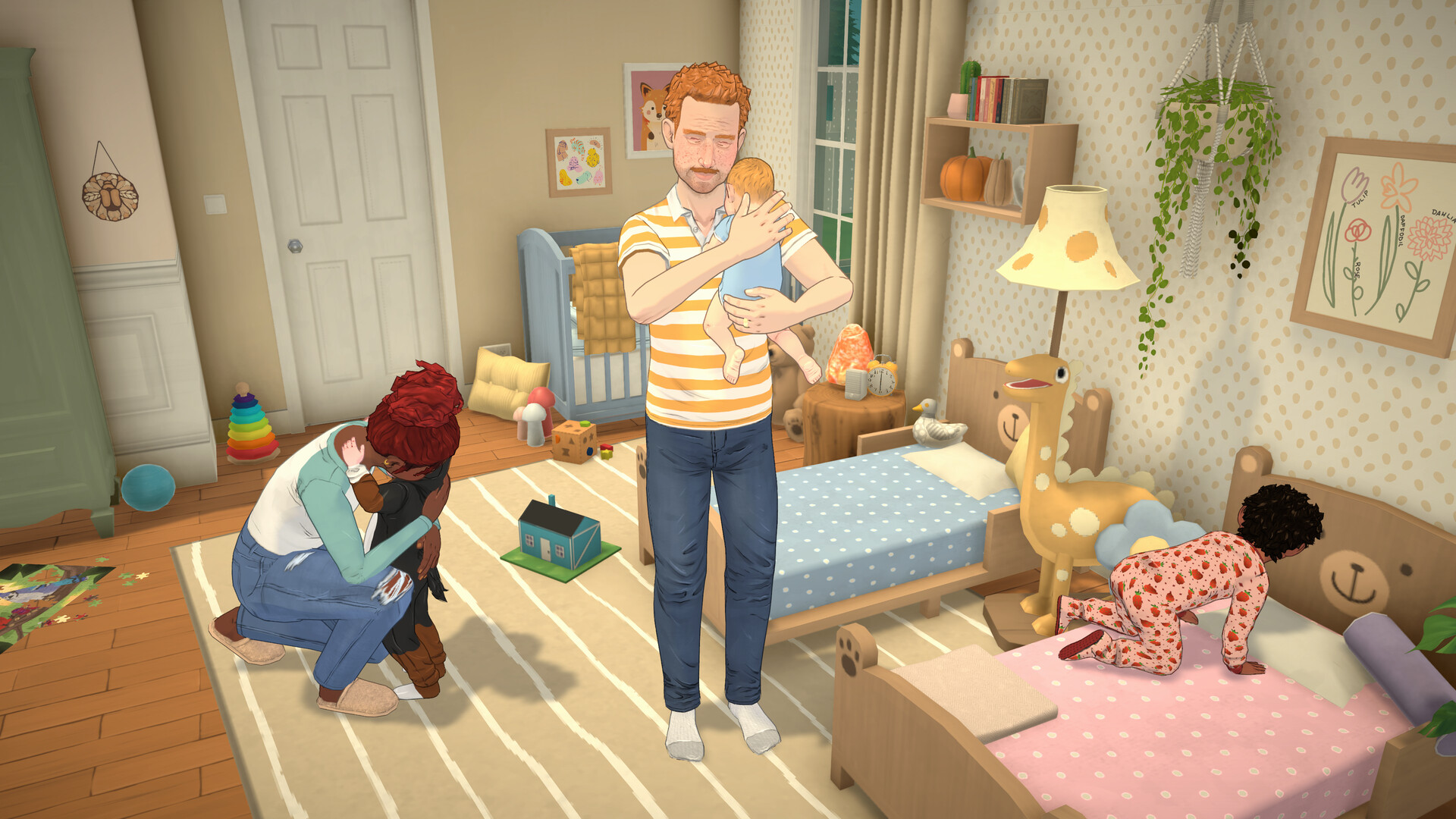
Paralives
- The share of Early Access among all Steam releases has also increased: from 10.4% in 2024 to 11.3% in 2025 and 13.7% in 2026.
- According to GameDiscoverCo, only 21% of games that exited Early Access earned more in the first 30 days after the release of version 1.0 than they did after launching in Early Access. This indicates that the initial exposure to the audience is increasingly becoming a key commercial stage.
- Representatives from studios Kinetic Games, Iron Gate, Unknown Worlds, and Apocalypse Studios speak about rising player expectations. According to Ethan McKinnon of Apocalypse Studios, developers need to treat Early Access like a real release because players perceive it that way.
- Richard Svensson from Iron Gate believes that the requirements for Early Access games are only slightly lower than for full releases: users may be more lenient about the amount of content, but they still expect a polished product.
- Studios also point to increased competition: not only small teams but also large publishers are entering Early Access, which, according to Denis Dyack of Apocalypse Studios, raises the bar for independent developers.
- At the same time, the model remains an important tool for financing and refining games. Alex Masse reported that Paralives sold 250,000 copies within 8 hours after its Early Access release in May 2026. The developers of Valheim, Subnautica, and Hades also cited Early Access as a significant factor in the success of their projects.
- Among the main risks, studios highlight: inflated audience expectations, difficulties in prioritizing feedback, and the danger of a poor first impression, which then needs to be corrected during the course of development.