"We have significantly strengthened our position in the Amazon Appstore," said Arthur Beresnev from Mamboo about the results of 2025
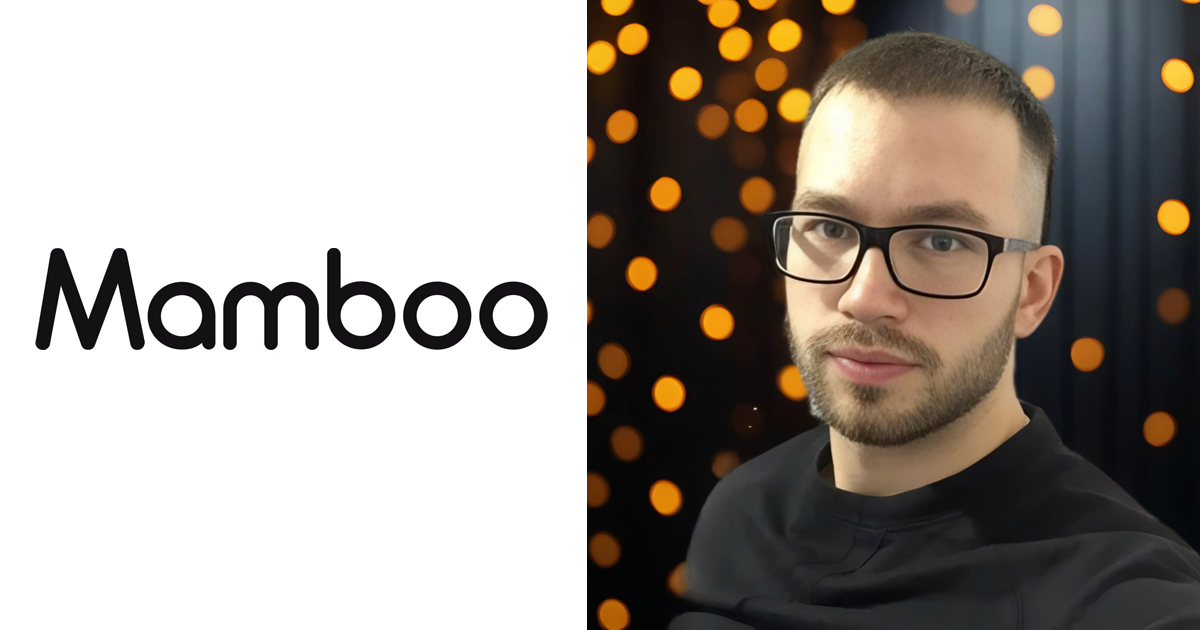
Continuing our review of the year 2025 with gaming (or gaming industry-related) teams and experts up next — an interview with Artur Bereznev, CEO of Mamboo Entertainment.
This material was originally published on Game World Observer.
How was the year 2025 for your business? What achievements stand out? What conclusions have you drawn for yourself?
2025 was a year of steady growth for Mamboo Entertainment. We significantly strengthened our position in the Amazon Appstore, becoming one of the leading publishing partners. Our team successfully ports and operates games from Azur, Amanotes, Voodoo, and other developers, using a proven model. The platform has become more complex to work on, but we understand how to maximize its potential.
Thanks to a global release on Android and iOS, several of our long-term projects managed to surpass previous records. At the same time, we understand that the current market requires more effort to remain competitive.
Additionally, we conducted dozens of prototype tests and are currently working closely with several studios on projects we hope will become future hits.
How, in your opinion, has the situation in the gaming market for publishing changed?
Many successful releases today are not designed for long-term player retention. This forces publishers to accelerate: to track and forecast trends more quickly, to work more closely with efficient studios, and to shorten payback cycles. One of the key trends of the year has been games for young audiences inspired by Roblox. This trend will continue for another six months to a year.
The focus on short sessions is easy to explain: established hits often show remarkable resilience, maintaining loyal players. Many projects predicted to decline in 2025 not only held their ground but also showed growth compared to 2024.
Have the practices of working with developers changed? Has it become easier or harder to work with them? Perhaps they have changed somehow en masse?
The times when studios could test almost any prototype with large publishers are over.
Validation has become significantly stricter. Mechanics, art, and monetization must be convincing from the start. Not perfect, but solid on paper and especially in execution.
New studios are less frequently entering the market with large funding rounds, as failing to achieve target metrics within 4-6 months today means shutting down the company.
Newcomers increasingly opt for co-development, outsourcing art, web3, or freelancing. Experienced studios already have projects that provide a basic income (albeit growing slowly), allowing them to develop old projects and try new ones simultaneously.
How was the year for the niche within which you typically release games?
Launching new mobile projects has become significantly more challenging. Not only games compete for the attention of a paying audience: subscriptions to TV series, educational apps, and other services easily take priority.
One must be even more cautious with aggressive monetization. Interstitials and IAPs with significant impacts on balance remain important, but initial welcome offers can no longer be sold solely through "ad removals." Almost all new games require enhanced hybrid monetization and thorough progression planning from the concept stage.
What conclusions and lessons from 2025 would you highlight for developers preparing for release?
Don't just try to replicate someone else's successful formula. If a trend or "recipe" has become obvious to you, the market will be flooded with clones in a few weeks. Do not present the metrics of top games as a guarantee of success for your counterpart: the people reading the pitch often worked on these hits themselves and know what’s really behind those impressive figures.
Even if you have experience in employment, don’t rush into building a multi-million dollar project in your own studio. In today's industry, many steps will have to be repeated. For validation of ideas, quick and effective prototypes are needed: from a couple of weeks for simple hybrids to a few months for more complex ones.
What strengthening or emergence of trends in your niche do you expect in 2026?
We will see significantly fewer games with typical asset packs from recent years. For example, the small characters characteristic of many idle games will disappear, as traffic for them is already expensive. In their place, we’ll see a lot of AI-generated art, with vividly, manually crafted hits standing out.
AI will start to be used extensively for creatives. At the same time, the fact that they are made with AI will become less noticeable. Smart teams will use it for quick style testing and understanding which art resonates best with the audience.
Companies will more actively promote in-game subscriptions to increase retention and attract those who do not respond to one-time purchases.
There will be more games that reference PC/console hits or borrow certain ideas (vibe or mechanics). Such projects often penetrate mainstream media, as was the case with Balatro, Hollow Knight, and Vampire Survivors.
What are the company's plans for next year?
We do not plan to rush into experimenting or mastering new niches. Instead, we will focus on what already works: strengthening our presence on Amazon and preparing hits.