"Studios have become more pragmatic. Many have a clearer understanding of what they need from a publisher," Anton Stasenko and Denis Levchik from Zavod Games on the outcomes of 2025
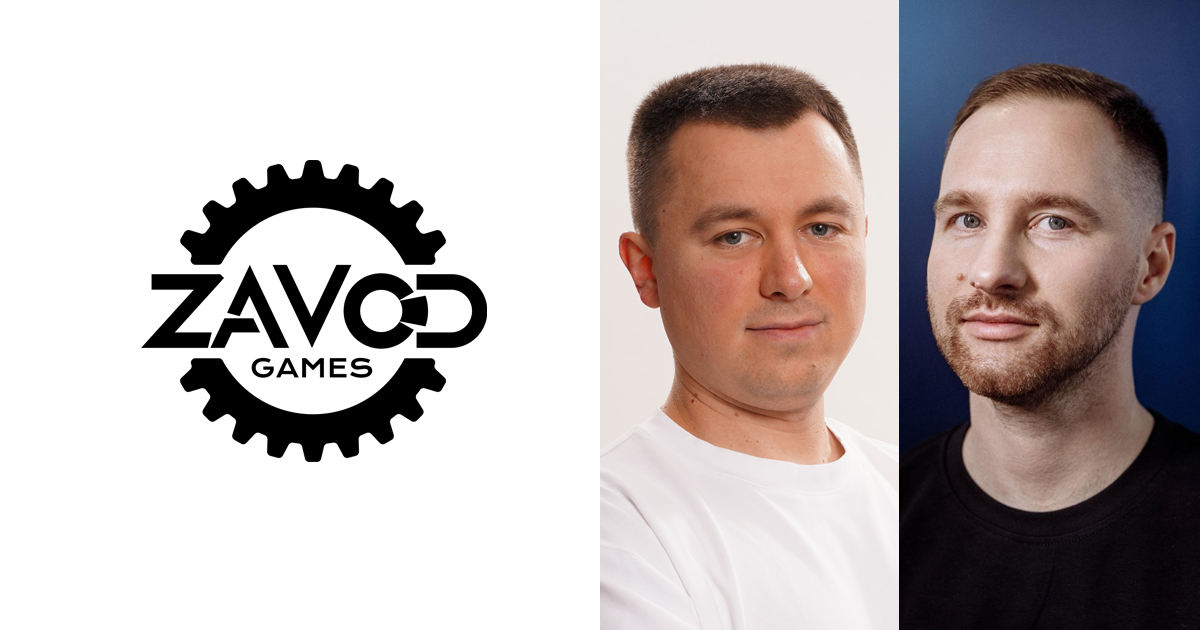
We continue to summarize the results of 2025 with game teams. This time, we spoke with the top managers of the publishing company Zavod Games — CEO Anton Stasenko and Business Development Director Denis Levchik.
What was 2025 like for your business? What achievements can you highlight? What conclusions have you drawn?
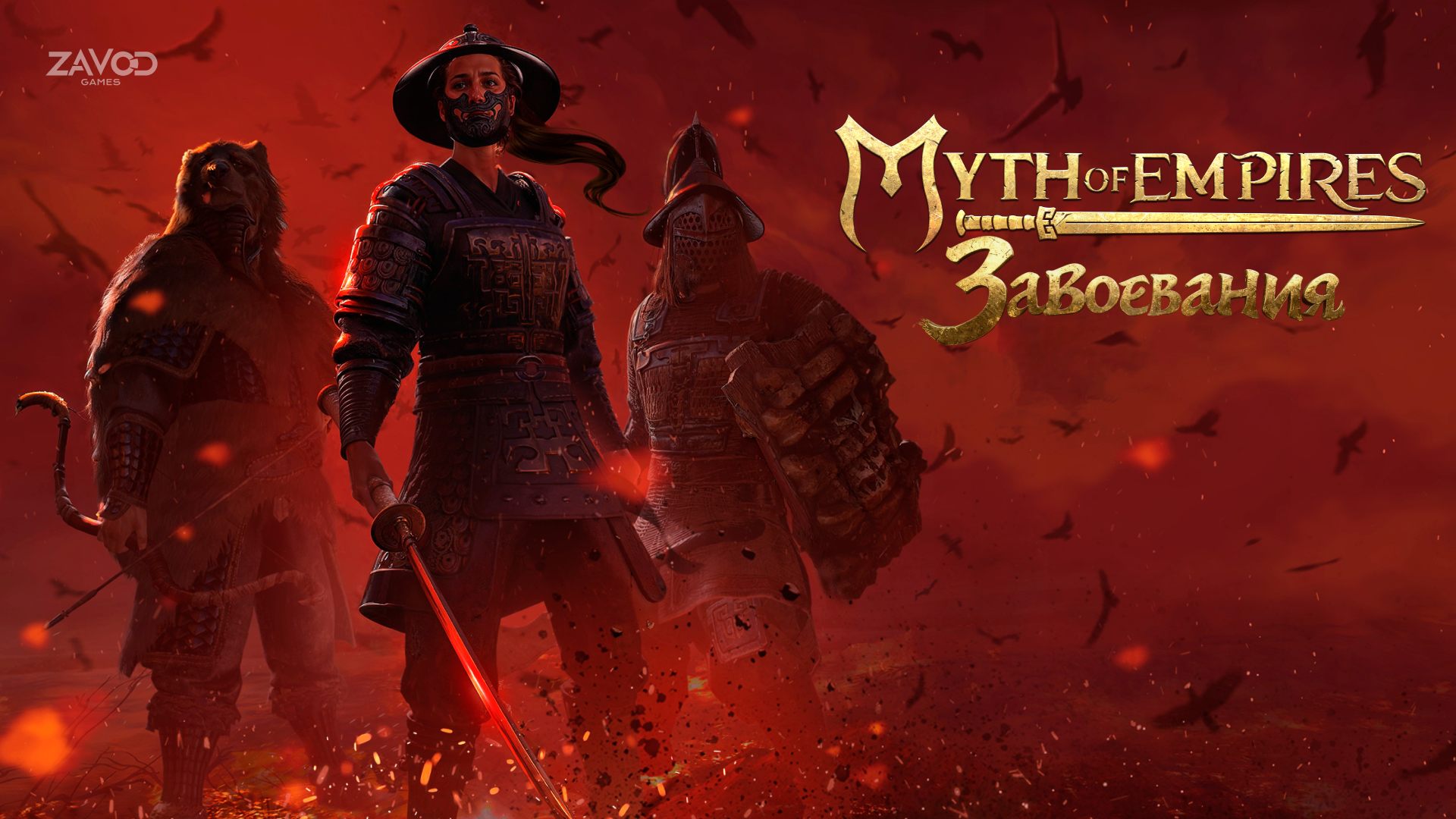
Anton Stasenko: 2025 marked the beginning for the Russian publisher ZAVOD Games. Last year, we focused more on internal work rather than external dynamics. We methodically built the company as a stable structure, formed a team, established operational and marketing processes, and laid out a development strategy for several years ahead. Simultaneously, there was extensive work with the market: analytics, negotiations, and partner searches. A significant milestone came in October when we made our first public announcement and introduced our debut project "Myth of Empires: Conquests," which is set to release next year.
A notable point was our international activity: attending industry events allowed us to establish direct contacts with new partners and strengthen existing relationships. The main takeaway from the year is that we've clearly defined our role in the market, understood which teams and projects we want to work with, and what quality level we consider baseline. This clarity became a key result of 2025.
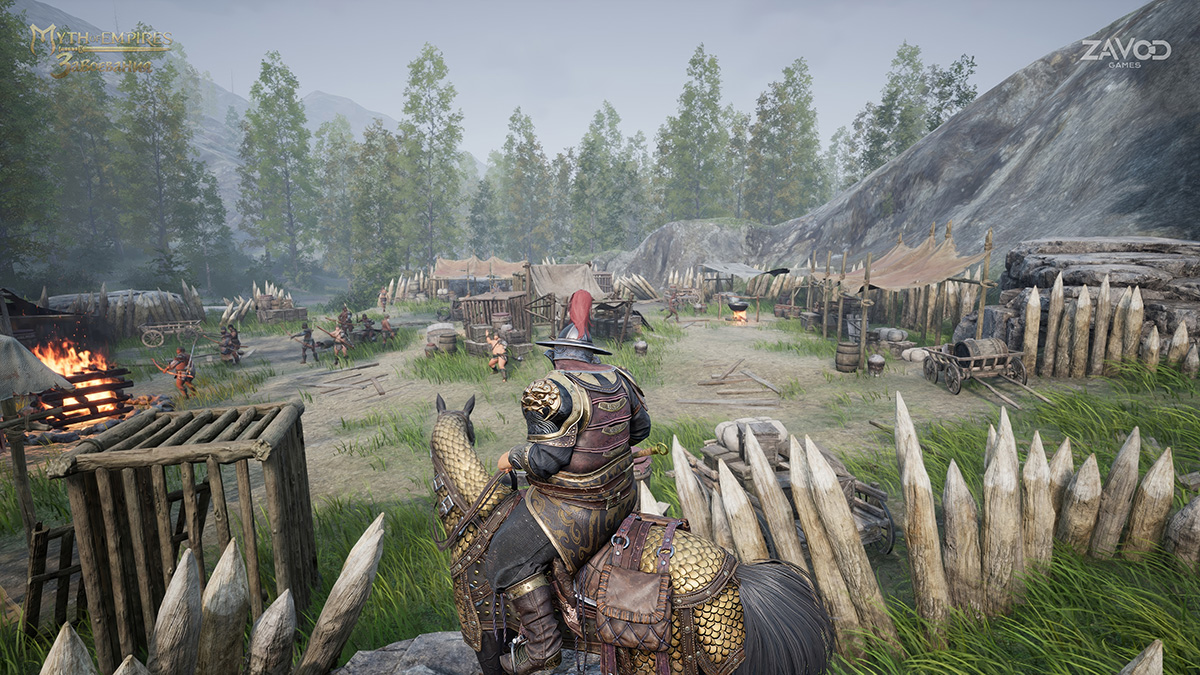
"Myth of Empires: Conquests"
Denis Levchik: 2025 was truly special for us — the year our company was born. We laid the foundation of a full-fledged publishing house: assembled a team, prepared infrastructure, established production and marketing processes, and began active preparations for releases in the Russian and CIS markets.
This was a dynamic period filled with negotiations, partner searches, analytics, and immersion in the local market. The culmination was our first major announcement of the project "Myth of Empires: Conquests," which we are preparing to launch at the beginning of next year.
How has the situation on the gaming market changed for publishing from your perspective?
Anton: Throughout 2025, the Russian market continued to adapt to a new reality. Global players that left have not returned, but local platforms and new stores from operators have created a stable distribution infrastructure. This has expanded opportunities for publishers, especially for those willing to take on full production and marketing responsibility beyond merely publishing a product. Meanwhile, competition has noticeably increased: there are more good products, but space in featuring is limited, thus amplifying the publisher's role as a navigator and enhancer of game presence.
Promotion tools have also evolved — the focus has shifted towards content marketing, local streamers, and functioning platforms like "Dzzen" and "VK Video." Budgets have become more rational, with ROI scrutinized down to every ruble. Due to unstable payment solutions in foreign stores, it's become crucial to establish monetization that leans on local mechanics, including subscriptions and internal payments. This has added work, but also heightened the strategic importance of publishers.
Denis: The gaming market in 2025 continued to change dynamically, adapting to new trends and audience expectations. We're seeing many developers focusing on Western markets and working with already recognizable IPs, developing projects in a cross-platform format. Other teams are keenly studying colleague releases and striving to replicate successful formulas in different settings, heightening competition for users.
Another trend on the Russian market is that the adult audience is increasingly returning to projects that evoke nostalgia for games from their youth, creating demand for genres and formats previously considered niche.
Despite this, player expectations remain incredibly high: they quickly grasp gameplay and saturate with content, making retention more challenging. Studios address this by expanding to new platforms and employing AI tools to assist in developing new content.
Steam still offers developers the chance to save on distribution and launch in multiple regions simultaneously. However, cultural adaptation, proper monetization, and local partner support, especially when engaging with the community, remain critically important for maintaining a market presence.
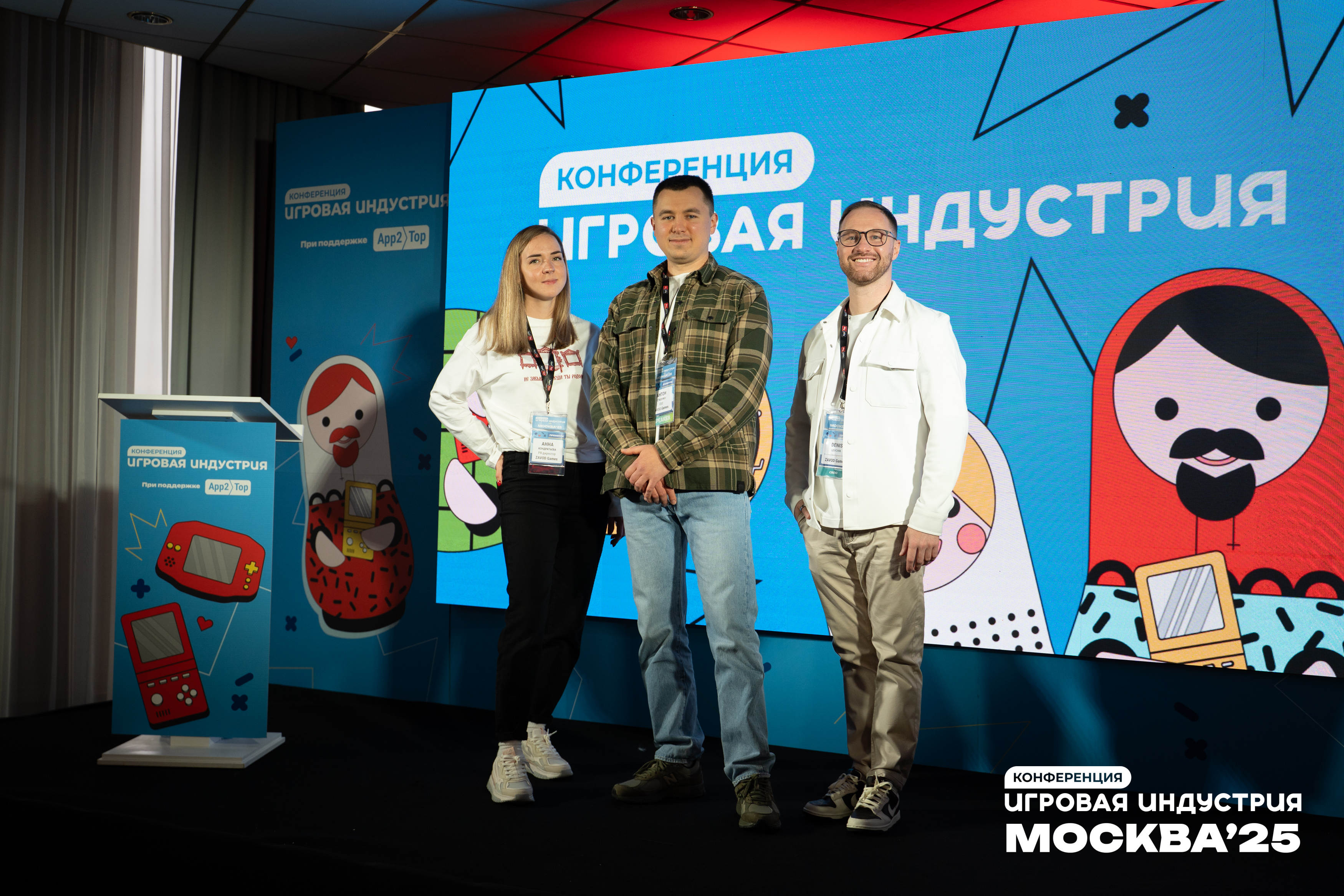
ZAVOD Games team at the "Gaming Industry" conference
Have the practices for working with developers changed? Has it become easier or harder to work with them? Maybe they have changed in some general way?
Anton: Studios have become more pragmatic. Many clearly understand what they need from a publisher: expertise in marketing and operations, access to analytics, and support in LiveOps. Teams have become more cautious in their promises and more attentive to their project's economics. They now bring in publishers earlier in the process, where previously they tried to manage alone. The level of presentation skills, pitches, and understanding of metrics has risen significantly: developers arrive with competitive products and a clear understanding of why they need a publisher. This undoubtedly simplified initial communication.
Denis: Today, developers navigate the industry much better and adapt to its new challenges. They have become noticeably more professional and significantly more demanding. Development costs have risen, and with them, the financial expectations of teams. Therefore, the ability to negotiate and find a balance of interests remains a key skill for a successful publisher.
Regional characteristics still play a crucial role. Chinese studios are notably dynamic: they quickly react to trends, experiment, and test new mechanics, often leading to impressive results. Korean teams focus on quality and stability, set high technical standards, but prefer working with mechanics and monetization that are familiar to players.
The Russian market continues to actively shape and develop, with more and more strong projects emerging from local teams.
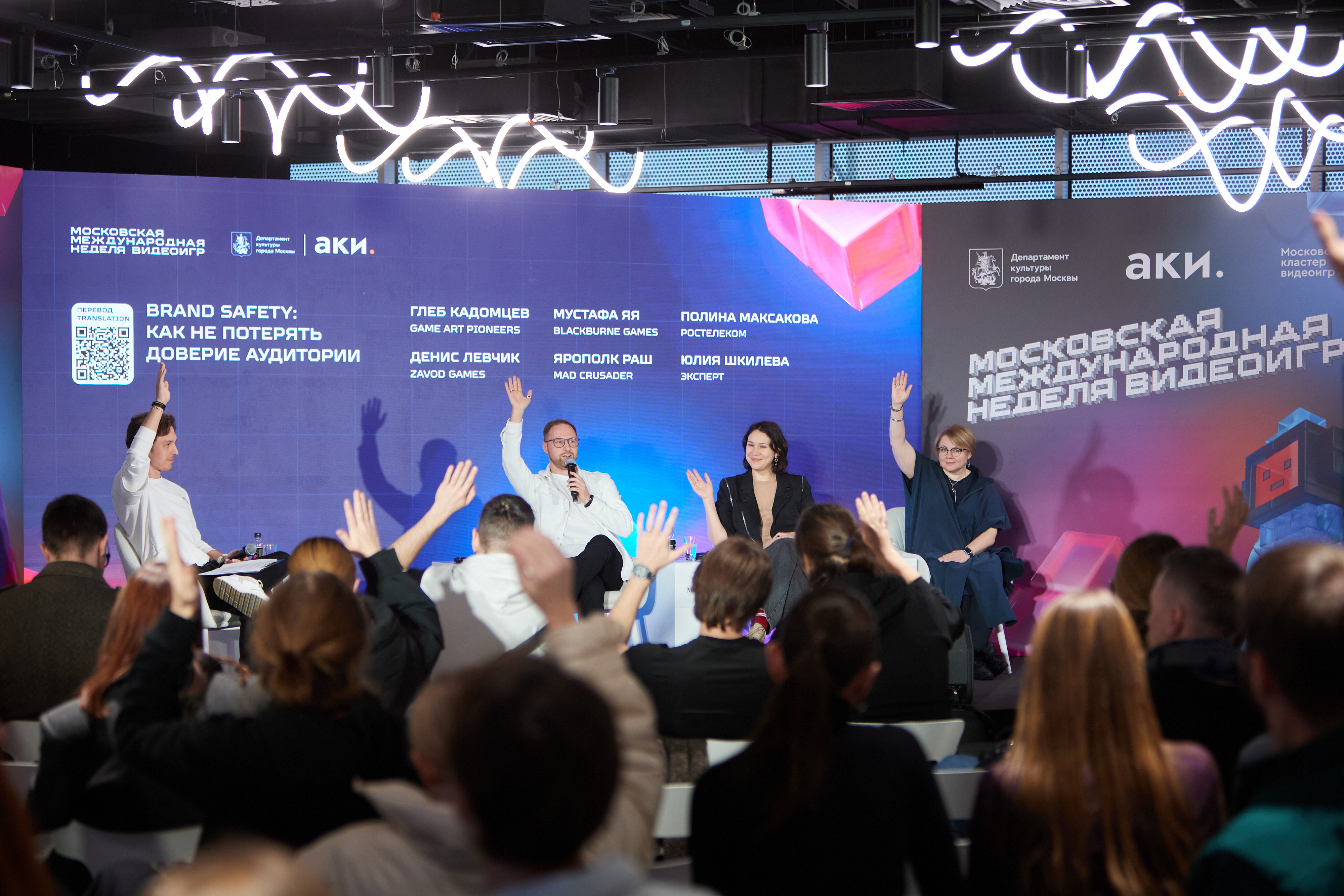
Moscow International Video Game Week 2025
What was the year like for the niche in which you typically release games?
Anton: Online games with a social component maintain high engagement: users want not just to play but to socialize, accumulate progress, and be part of a community. This trend is especially noticeable against the backdrop of fatigue from single-player releases and an overheated mobile market.
However, the quality bar has risen: players compare any new project to flagship titles in the genre, even if it's a conditionally free-to-play game on a local platform. You succeed only by creating something that quickly hooks players and meets visual expectations. Successful cases in MMORPGs or "PvP session games" confirm that if a product lives online, has a meta, and is maintained, it can consistently generate revenue even with limited access to international platforms.
Denis: Today, the free-to-play market is actively seeking a balance between unique gameplay, which demands increasing development costs, and the volume of content needed for sustainable monetization. The online gaming audience is aging, becoming more demanding, yet is willing to pay for genuinely quality projects.
We remain optimistic about the dynamics of our niche and are confident that it will continue to grow in the coming years, creating opportunities for the emergence of new successful projects.
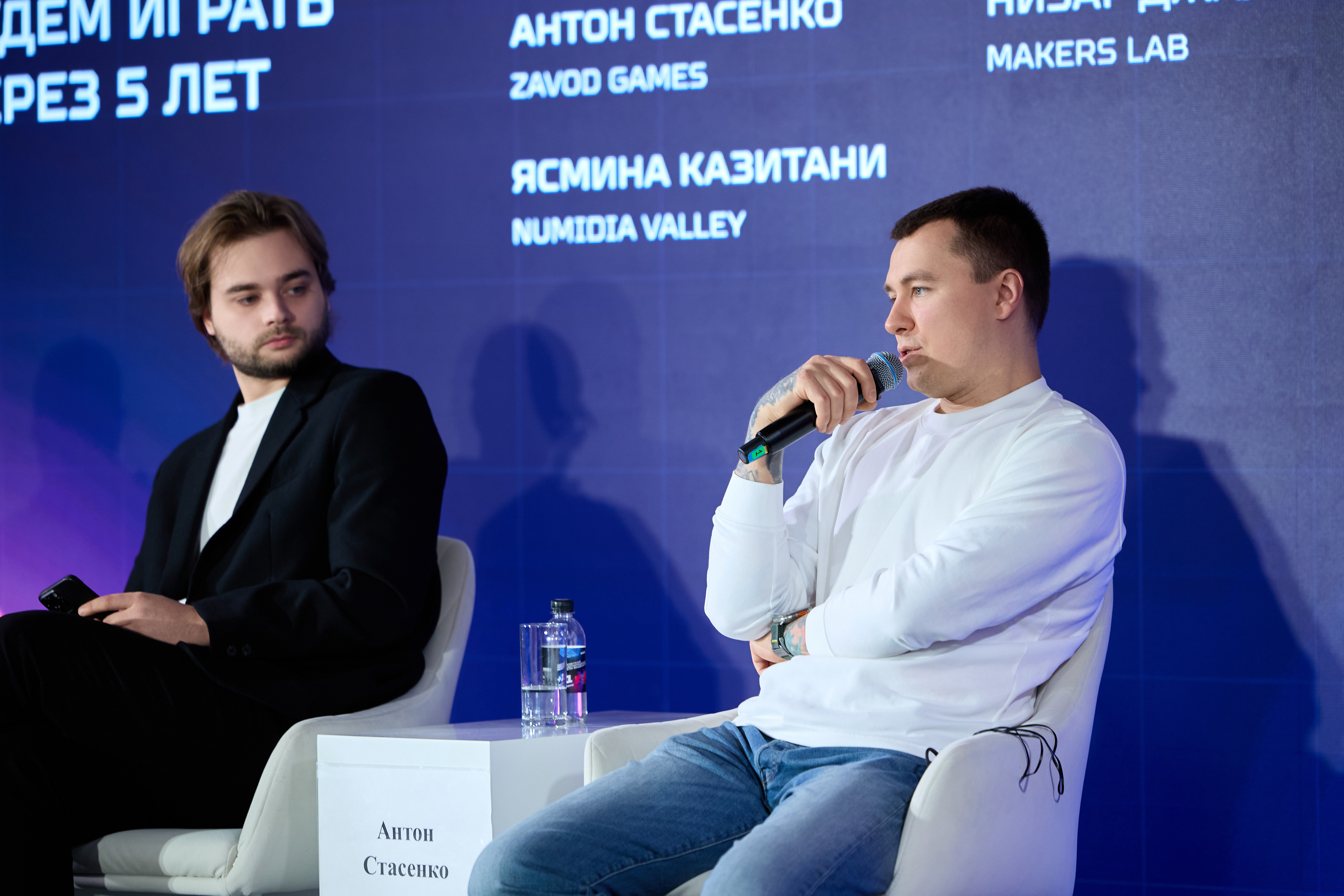
Moscow International Video Game Week 2025
What conclusions and lessons from 2025 would you highlight for developers preparing for release?
Anton: First of all, I think it's important for developers to focus more on player behavior models rather than genre to better understand how players spend time in the project. It makes sense to design flexible gameplay loops that can adapt, expand, and adjust to different playstyles.
Moreover, the creation and continuous engagement with social spaces, rather than just levels, are gaining importance: gaming communities are becoming more significant than individual mechanics because a strong social component directly impacts retention, organic growth, and the project's long life cycle. It's also essential to consider the change in the player's role – increasingly, players are shifting from observers to creators and co-authors of content, influencing the game's development according to their preferences.
New innovations should be implemented gradually, testing how they genuinely enhance engagement and commercial potential before scaling them across the entire project. And, of course, today it's crucial to launch in the market without a massive budget, focusing on the product's value and careful audience engagement.
Denis: In my view, the key conclusions remain unchanged. First, players do not forgive "raw" games: technical issues immediately affect ratings and the long-term potential of the project. A game must be released as ready as possible.
Subsequently, audiences still value honest dialogue and transparent feedback. Regular updates, fixes, and work on errors often matter more than ideal promises. Especially in the first weeks post-release.
Moreover, the first gaming session is critically important: about 30 minutes of gameplay during which the player should feel progress, engagement, and interest. In a saturated market, it's especially challenging to retain young audiences, so it's important to use all available tools to captivate the user right away.
Finally, remember that the market increasingly values understandable, niche products with deep mechanics and intuitive gameplay. Games crafted with character and "soul" always prove more attractive than yet another visually beautiful, but soulless clone.
Which trends in your niche do you expect to strengthen or emerge in 2026?
Anton: Looking to the near future, the trend towards personalizing game worlds will strengthen in 2026 and beyond: content, complexity, and scenarios will more frequently adjust to a specific player's behavior. At the same time, hybrid game formats that are available everywhere and accommodate how and where a player wants to interact with the project continue to gain traction.
As previously mentioned, social aspects have become one of the key focuses: guilds, cooperative tasks, seasonal goals, and shared rewards create a sense of team, and for adult players, this format often outweighs the amount of PvE content – people stay where they feel a vibrant community. In parallel, there is an increasing emphasis on indie development: small studios are becoming more competitive due to their flexibility and ability to quickly experiment.
Distinctive franchises will continue to be utilized. We, too, started on that path. Currently, the market is in a phase where players value predictability, simplicity, and clarity. There is no readiness to shift massively to experimental or expensive technological formats, and familiar IPs provide a sense of stability and engagement. Plus, when budgets and time are limited, relying on established franchises becomes a convenient and understandable way to maintain a balance between innovation and commercial sustainability. Recognizable IPs reduce risks, while modern mechanics and approaches allow retaining relevance and expanding the audience.
Denis: The market will continue to shift towards live services and regular updates. Players demand a constant stream of content and new experiences. The trend towards cross-platform capabilities will also persist and strengthen, allowing for audience expansion and flexible approaches to monetization.
Simultaneously, marketing costs will continue to rise, pushing the industry's focus increasingly towards player retention and community engagement. And, of course, AI will become an even more noticeable tool in content and service production. It may become a new industry standard.
What are the company's plans for 2026?
Anton: ZAVOD Games has ambitious plans for 2026! First and foremost, we will focus on expanding our product portfolio, so expect announcements of new projects in 2026. A separate direction will be more active interaction with Russian gaming platforms and ecosystems.
Denis: Next year, we will continue to delight our audience with new releases from international studios, develop our publishing services, and enhance our expertise in working with live projects. We also plan to have a stronger presence on Russian gaming platforms and strengthen our position in the local market. We look forward to welcoming everyone to visit us at the Zavod!