What Lies Behind the Rise of Sorting Simulators: The Benchmark for Tidying-Up Games, Key Metrics, and Pitfalls
In 2026, within the niche of cleaning games, a distinct category of projects focusing on mass sorting emerged. Today, we will explore how this new wave differs from traditional cleaning and renovation simulators, with numerous tables, data, and observations regarding the changes in offerings amidst rising interest.
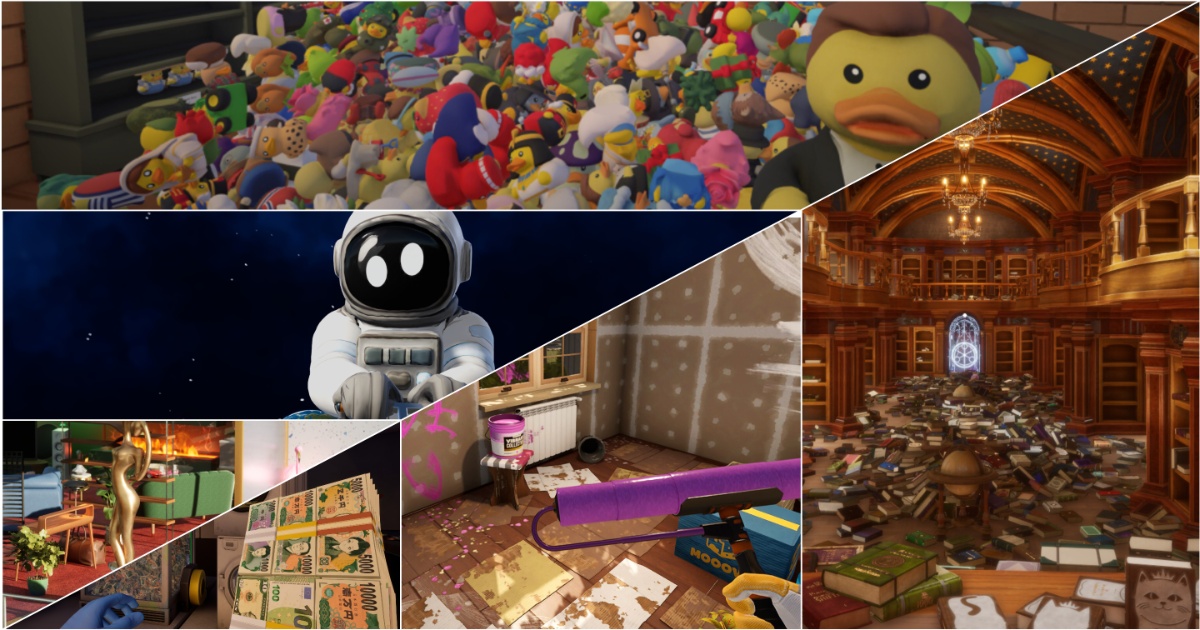
In this article, we will:
- define the boundaries of the tidy-up segment and distinguish sorting games from cleaning and space organization simulators;
- compare median revenue, the percentage of million-sellers, and other metrics across several related categories;
- see how the picture changes when considering only 2026 releases;
- analyze the results of the most lucrative representatives in this field and the upcoming games already attracting audience attention.
Genre Boundaries: What is Tidy-Up and Which Games Fall into This Category?
The leading example of the new wave of sorting simulators is Librarian: Tidy Up the Arcane Library!, developed by the small Japanese indie team ArtRising. Released in April 2026, the game has already generated $8.6 million on Steam with sales exceeding 1.7 million copies. Today, one noticeable hit is backed by a whole group of followers and games in related directions.
In English, such titles are often described with the succinct term tidy-up. The most fitting equivalent in Russian would be “игры о наведении порядка” or “orderly games.” This term encompasses both item sorting and space cleaning, without restricting the genre exclusively to cleaning.