How Tiny Eden, with 4800 wishlists, earned $700,000 in the first two weeks. A case study of the publisher Digital Vortex
On September 7, Tiny Eden was released on Steam—a cozy simulator for growing plants "on the windowsill," quite literally. Irina Borodina, the CMO of Digital Vortex Entertainment, shared how the project was launched in her column for us.

Irina Borodina
Tiny Eden is developed by a small Polish studio Bajka Games. At the time of writing, the game had 340 thousand wishlists and over $700,000 in revenue just two weeks after launch. However, this story started with much smaller numbers.
Initially, We Simply Believed in the Game
When we first encountered Tiny Eden, we were struck by the concept of the project.
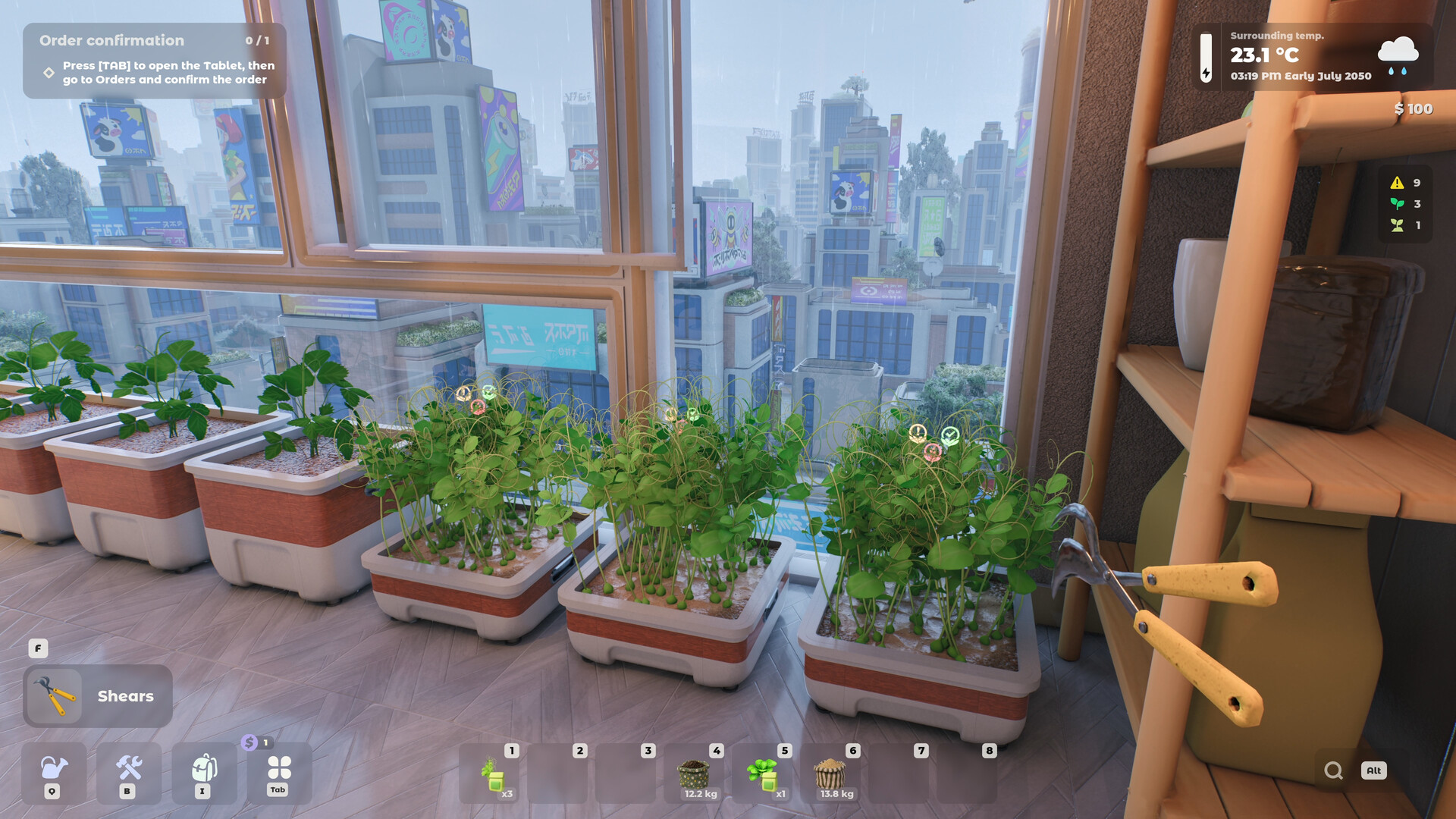
Tiny Eden is about what developers truly love to do in life—growing plants, taking care of them, and watching them grow.
At some point, this passion became one of the reasons we believed in the project: when a developer creates a game about something they genuinely love, it shows.
We signed onto the project in April 2026 and began actively collaborating with the team. At that time, Tiny Eden had just 4,800 wishlists. It quickly became apparent that there was a lot of work ahead.
We Missed Steam Next Fest. And That Wasn’t Our Only Hurdle
The developer had created the game's page back in December 2024. After that, the studio independently took the demo to Steam Next Fest.
This yielded no significant results.
And this is one reason we don't recommend attending Steam Next Fest just because "it must be done."
The festival itself can still be an excellent marketing tool. But now there are so many projects that participating is not enough. You need to prepare the demo, the audience, creators, press, and communication in advance—and understand the results you wish to achieve.
For Tiny Eden, redoing Next Fest was no longer an option. Therefore, we decided to build the strategy around other opportunities.
And we began closely working on the game itself.
The Product Comes First
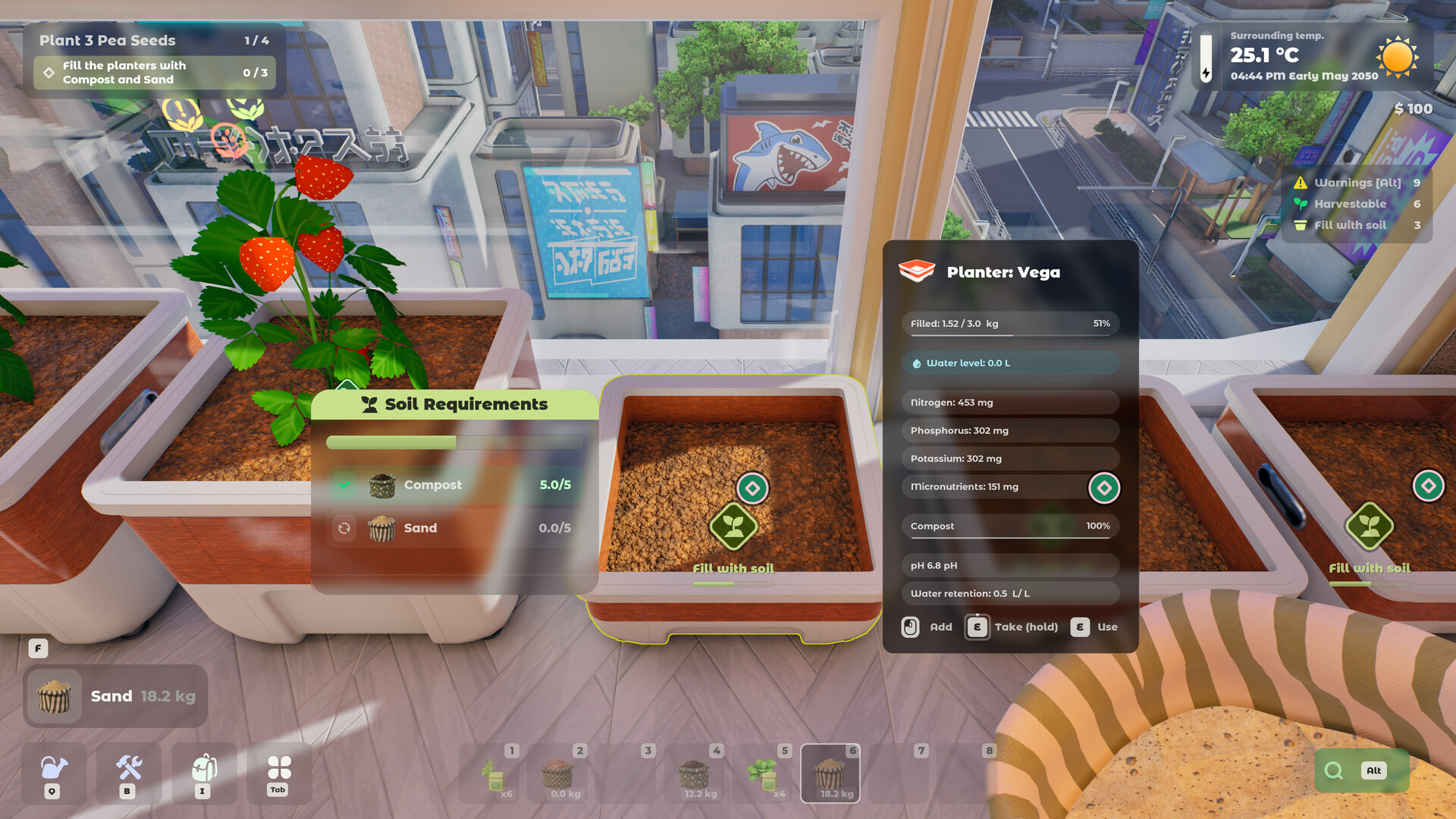
Throughout the campaign, we worked with the studio not only on marketing but also on the product.
We conducted playtests, gathered feedback, discussed changes, and constantly revisited what could be improved. There were many debates. Many revisions. Many situations where we told the developer, "This needs to be redone," and they said approximately the same to us.
But this is how we gradually developed the product we eventually released. We worked a lot with the producer, tested the game with audiences, and used this feedback in development.
And at some point, it became clear: yes, now it is indeed a great game.
Next, We Had to Determine How to Sell It
Initially, Tiny Eden seemed like a fairly straightforward cozy game about plants. But that was not enough. We needed to understand what exactly grabs the audience and how to convey in a few seconds why someone should pay attention to the game.
This is also a significant part of the publisher’s job. We revisited the positioning several times, tested different approaches, and gradually arrived at a clear combination: cozy, plants, cat, a sense of a small personal space that is pleasant to care for.
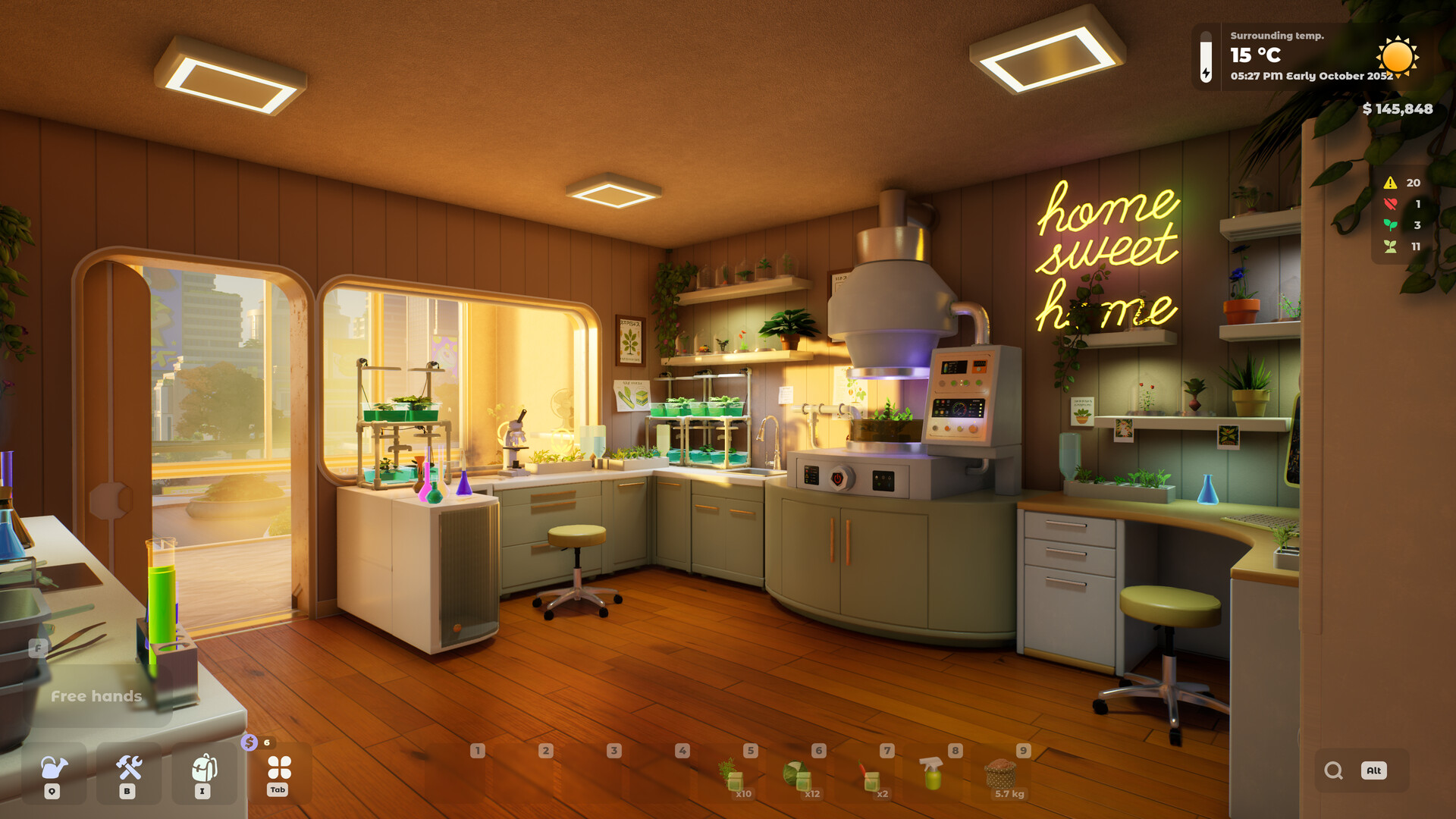
Capsule and Title
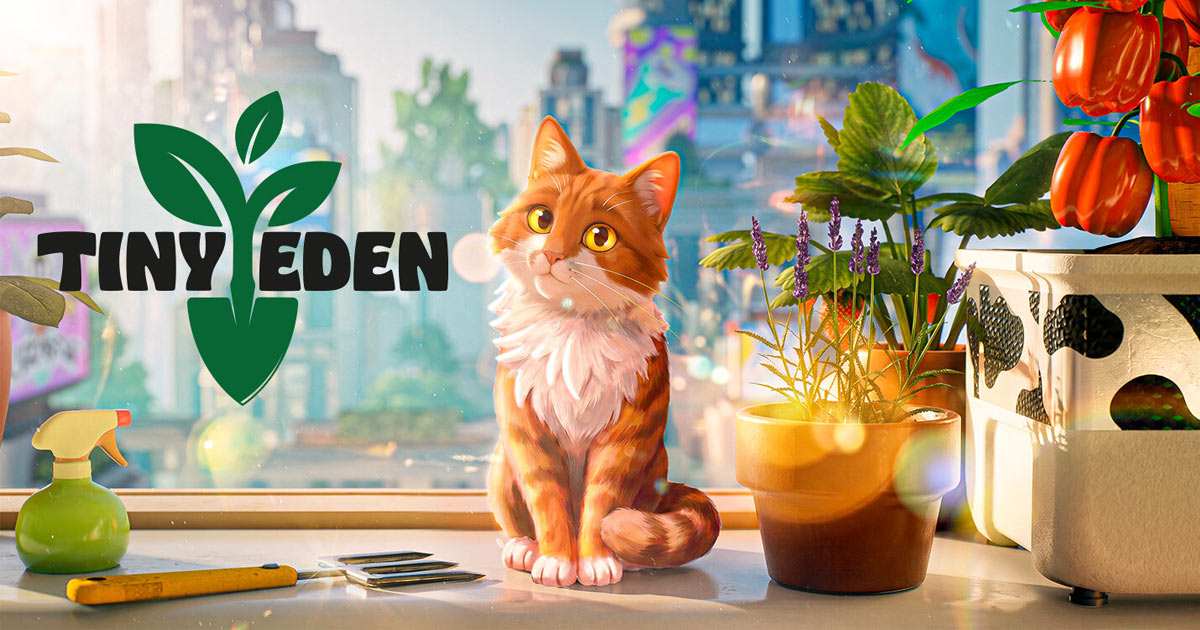
When we signed Tiny Eden, the game was called City Garden Harvest.
The name adequately described the concept, but we wanted it to be more understandable for the audience we intended to target. Thus, Tiny Eden was born.
The capsule had a similar story. We didn’t nail the right version the first time; we revisited the visual positioning several times until we found something that truly conveyed the essence of the game.

The cat helped us a lot here. The capsule quickly communicates a simple combination: something cute, plants, and a cat. For the cozy audience, this signal is quite clear.
We also knew that if we managed to get a significant amount of additional traffic, we needed to be ready for it. This is where the Steam Calendar came into play.
We Decided to Explore How Far We Could Push the Steam Calendar
This was our first project released after the introduction of Steam’s personal calendar. We had already seen case studies from others and knew the calendar could significantly increase wishlists.
But seeing other people’s numbers and understanding exactly what you need to do for the tool to work on your project are two different things. It quickly became clear that the calendar doesn’t achieve anything on its own.
It amplifies a project already prepared for significant traffic.
Wishlists—The Foundation
Projects in the calendar are ranked by the number of wishlists.
Therefore, it doesn’t replace pre-release marketing— it strengthens what you've already accomplished. Initially, Tiny Eden did not have a strong foundation.
When we joined the project, it had only 4,800 wishlists. We practically had to build the base from scratch. Over several months, we systematically worked on the announcement, the demo, in-game events, creators, positioning, and the product itself.
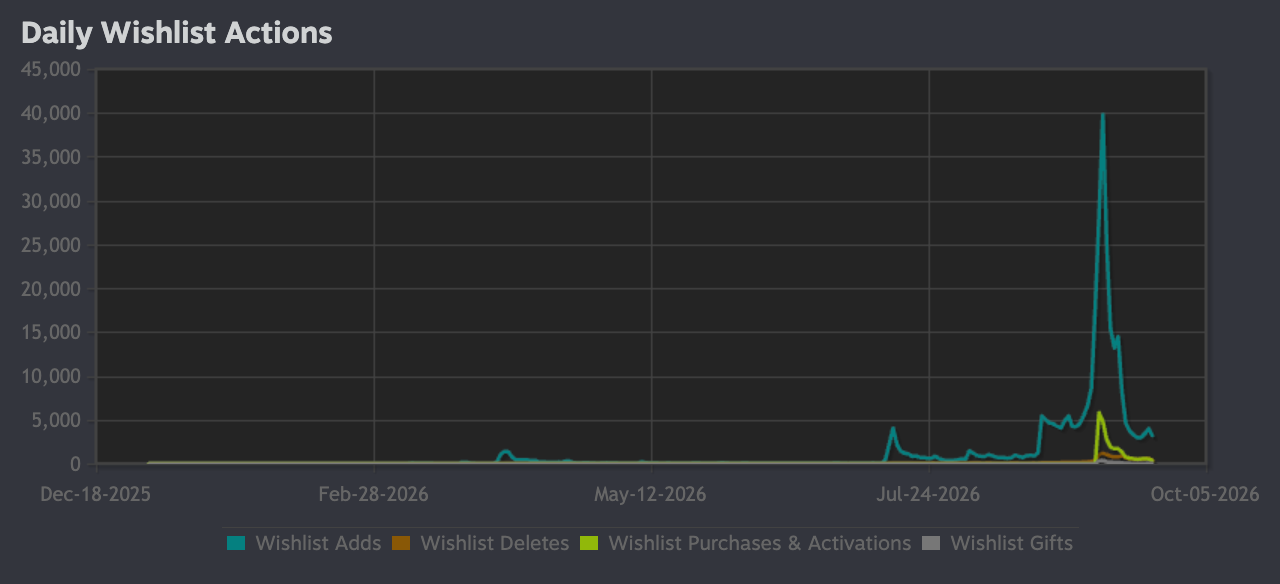
- April 2026 — Announced the collaboration and the game's new name—plus 10.2 thousand wishlists.
- July 2026 — Released the demo and participated in Six One Demo Days—plus 20.2 thousand wishlists.
- August 2026 — Announced the release date, participated in Cat Awareness Feline, and calendar traffic kicked in—plus 59.5 thousand wishlists.
Then, Steam itself started to work. Calendar traffic kicked in precisely two weeks before the release—on August 23. Here’s an important note: the most interesting part wasn’t happening on the standalone Personal Calendar page but on the Steam homepage.
During this period, the Personal Calendar brought us around 20,000 visits. The homepage brought about 1 million. The difference is approximately 50 times.
In two weeks, the calendar brought the project around 90,000 new wishlists, with roughly an additional 30,000 added on the day of release. At this point, Tiny Eden entered the calendar with 60,000 wishlists. So by using the calendar, we virtually doubled the base by the time of release. Sales in the first week accounted for 29% of the number of wishlists at release—one of the reasons for this result was the fresh audience the project gained through the calendar.
But to achieve this result, it was crucial to select the correct date.
The Release Date Is More Important Than It Seems
In the calendar block on the homepage, there is space for only two games, and the ranking is quite straightforward—by the number of wishlists. Therefore, it's not enough just to choose a date convenient for the team. If several major projects are released on the same day, even a good wishlist base might not help you secure the desired position.
We examined the competitive environment for different dates and looked for the moment when our base would allow us to take the highest possible spot. Eventually, Tiny Eden secured the number one spot in the calendar.
From the outside, it looks simple: the game has a release date. But in practice, this date can involve a lot of work with numbers and the competitive environment.
The Calendar Brings Traffic, But You Still Need to Make People Click
Getting into the calendar—only half the battle.
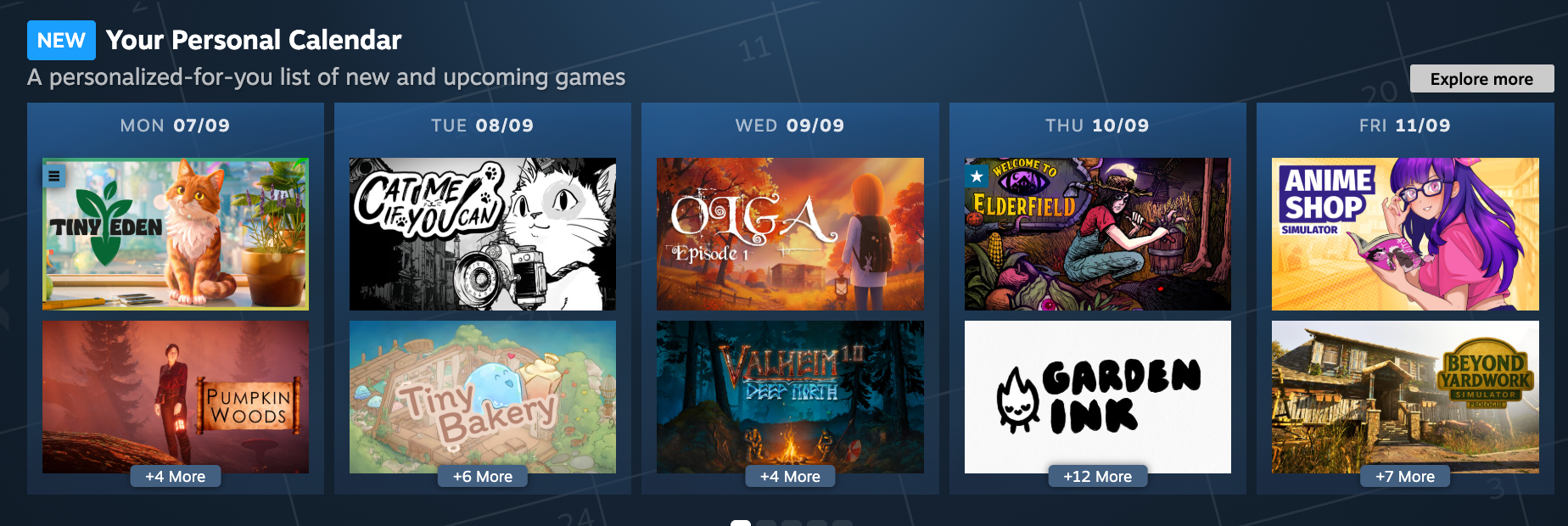
The user first sees the capsule. There is no description, screenshots, or details. Therefore, the capsule must explain what the game is in a matter of seconds. And here we return to all our previous decisions: the name, the visuals, and the positioning.
The story with tags is similar. The calendar is personal, so Steam selects games based on the user's library and project tags they already like. There is little point in achieving a massive reach if Steam is showing the game to the wrong audience.
We gathered games most similar to Tiny Eden, examined their tags, and checked which projects appeared in "Similar Games" for us. This also allowed us to check how well Steam understood Tiny Eden's audience before the game was released and gained its audience.
What Ultimately Worked
If we sum up the entire case to a few conclusions:
- First, you need to believe in the game. In Tiny Eden, we were captivated by the idea and that the developer was genuinely making a game about what they loved.
- Publishing is not only marketing. An essential part of the work happens with the developer and the producer on the game itself.
- Positioning is not always found the first time. Sometimes, you need several iterations to understand who needs the game and what exactly should captivate that person.
- Wishlists remain the foundation. The calendar doesn’t create an audience out of thin air—it reinforces an already accumulated one.
- The release date is of immense importance. The competitive environment can directly impact the results.
- The capsule, name, and tags are not just cosmetics. They determine whether the right player will pause on your game and what they will understand about it in the first few seconds.
But perhaps the biggest takeaway for us is not even about the calendar.
Good marketing starts with a good game and understanding who you are making it for.
You need to believe in the idea, not be afraid to argue with the developer, rework what doesn’t work, understand your audience, and prepare the product for the marketing you intend to apply.
Only after that should you seek out the opportunities offered by Steam and make the most of them.
In the case of Tiny Eden, this combination indeed worked: a small game about windowsill plants turned into a project with 340 thousand wishlists and over $700,000 in revenue in the first two weeks.