For 2XKO to be successful, it would have required a monthly active user base "in the high hundreds of thousands, if not millions."
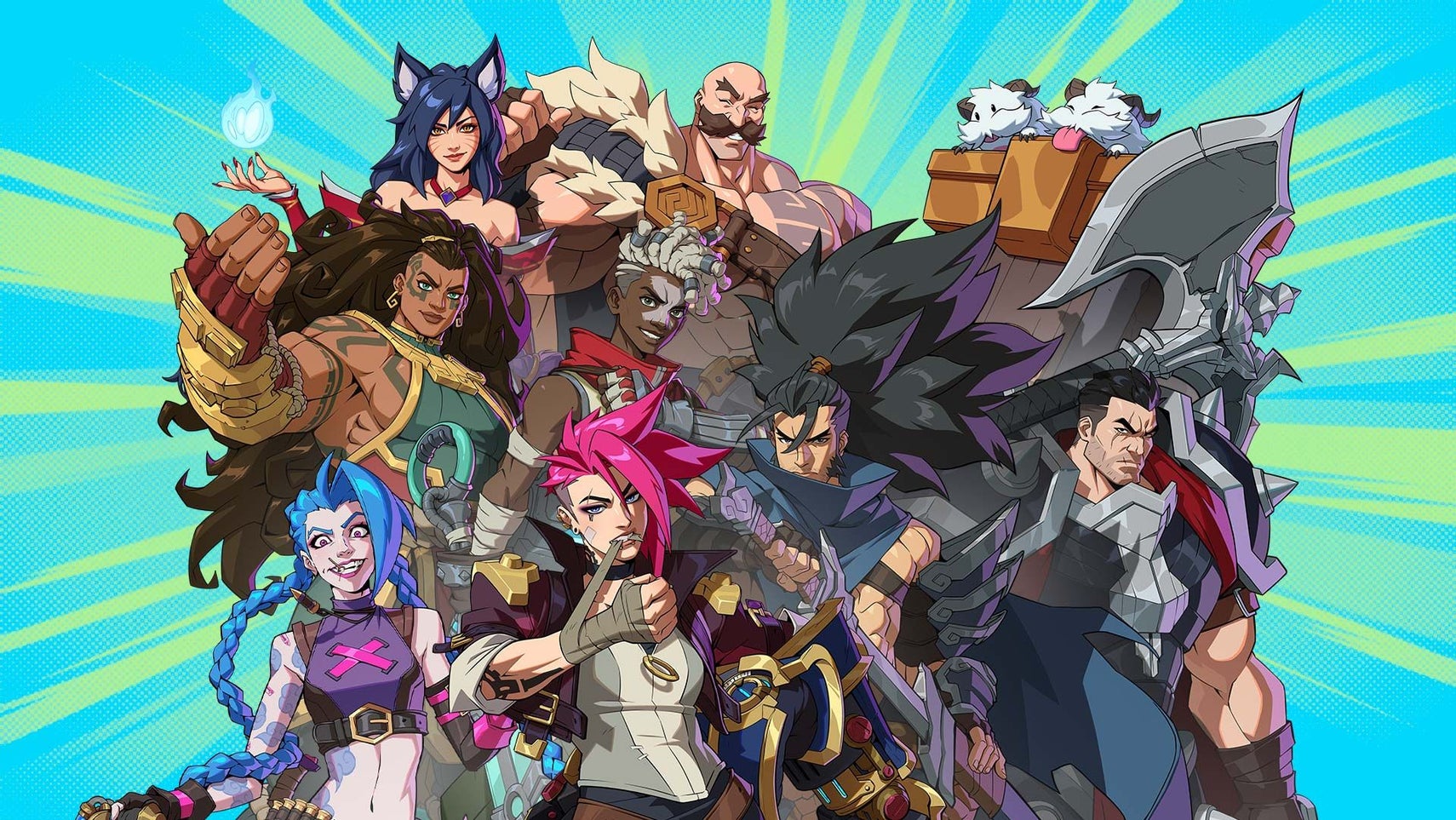
To be financially viable, Riot Games' 2XKO needed to draw monthly active users numbering at least several hundred thousand, if not millions, according to Chief Product Officer Marc Merrill. During an appearance on The Lemonade Stand podcast, as noted by IGN, Riot's co-founder highlighted that while the game managed to engage certain players, the reach was insufficient to sustain its live service model.
Active development on 2XKO ceased in August, primarily due to operational costs surpassing revenue, and player interaction remaining largely unchanged despite updates, as reported by GamesIndustry.biz.
Although development stopped, the game remains available for free on PC, PlayStation 5, and Xbox Series X|S platforms, with servers expected to be maintained until at least 2026.
Merrill also pointed to the unveiling of Street Fighter 6 as influencing the game's less than ideal debut. He remarked that Riot had a chance to support the fighting game community significantly, but Street Fighter 6's release about eight years into 2XKO's development timeline impacted their efforts.
The development team was praised for creating a visually appealing game, and despite setbacks, the decision was made to continue offering the game to the community to see potential outcomes. Merrill reflected that an earlier release than Street Fighter could have resulted in a considerable impact.
Merrill touched upon Riot's acquisition of Radiant Entertainment in 2016, emphasizing that Radiant's free-to-play game, Rising Thunder, which hit alpha in 2015, heavily influenced 2XKO’s development. When Riot acquired Radiant, Rising Thunder was removed from the stores and canceled, though it was later made available as open-source.
Riot's vision for 2XKO was to merge Rising Thunder's straightforward controls with the League of Legends intellectual property, bringing in unique competitive elements in Riot's style. However, internal changes led to strategy misalignment and conflicting instructions from leadership, culminating in organizational challenges that Merrill acknowledged as self-inflicted.