"I was given that opportunity to go crazy and do something kind of insane," said Will Wright as he and Maxis reflect on the nine-year development journey of Spore
A detailed examination of Maxis' game Spore delves into the array of developmental hurdles encountered during its lengthy creation process spanning nine years.
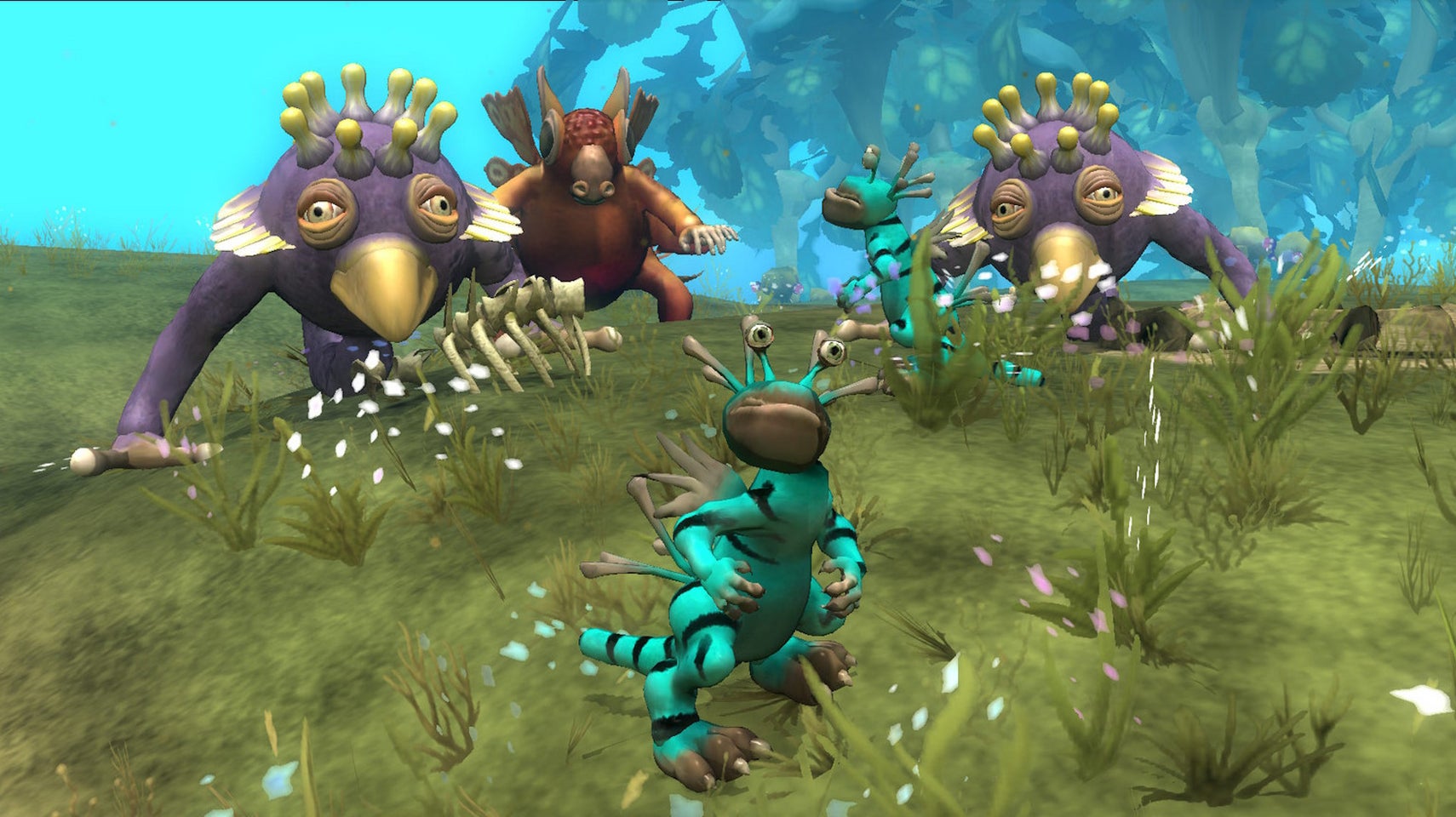
In discussions with The Design Room, Will Wright, who conceptualized and designed the game, and other central figures highlighted how the team's swift expansion and scant publisher guidance impeded unifying aspects of the game.
"The principal critique of Spore that I'm willing to accept is that it appeared as five distinct games amalgamated rather haphazardly," Wright commented. "Which, truthfully, it was."
Ocean Quigley, the art director, remarked, "Our inability to conceptualize a consistent core mechanism that evolved throughout the game diminished its potential."
He added that the game's fragmented nature partly stemmed from Will Wright’s leadership style, which lacked structured oversight.
"There wasn't any sense of crisis. And sometimes a sense of crisis can be useful for driving decisions and getting to clarity"Art director Ocean Quigley
Team members revealed that Wright's esteemed status following The Sims granted considerable creative leeway, but his management approach resulted in a somewhat haphazard decision-making environment.
"No formal design strategy existed," noted Alex Hutchinson, lead gameplay designer. "With Will's part-time involvement, decisive action was quite challenging."
The expansion to a workforce of over 100 individuals, dispersed in two locations, further complicated communication and development.
According to gameplay designer Chris Trottier, after Electronic Arts acquired Maxis in 1997, the influx of talent created self-worth issues amidst the team.
Trottier recollected, "We ended up with this talented group of people, each accustomed to being the best in their previous roles. This led to struggles in effectively integrating everyone's brilliance."
While describing the relaxed relationship between EA and Maxis, stemming from Wright's previous successes with EA, it was evident there existed minimal pressure during Spore's development.
Wright admitted, "Spore's creation was financially demanding, but EA's support allowed ambitious pursuits," acknowledging the freedom granted to him.
Chris Hecker, design and lead engineer for procedural generation, confirmed, "Despite EA's known issues, pressure was not one of them during this project."
Quigley captured the dual nature of freedom, stating, "While Wright's past successes offered creative freedom, the absence of urgency sometimes hindered decision-making and clarity."
Reflecting on Spore's legacy, the team recognized its pioneering procedural technology, acknowledging its mixed success.
Hecker commented, "Although Spore's design was problematic, it contained an enchanting quality absent from many games."