The ESRB has decided against implementing the PEGI age-rating modifications in the United States, citing potential confusion as the reason
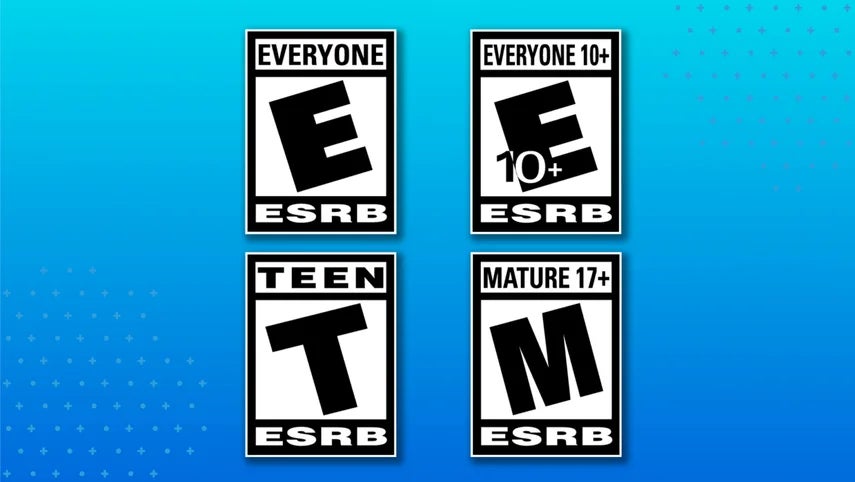
The Entertainment Software Rating Board (ESRB) has decided against implementing the new age-rating adjustments proposed by Pan-European Games Information (PEGI), citing potential confusion for consumers. According to a US representative, the ESRB's rating approach is centered on a game's content and how it is presented to players.
The ESRB has noted that while parents prefer early warnings about features like online interaction or opportunities to spend real money in games, introducing non-content related elements into age ratings might be misleading. Therefore, the organization currently has no plans to incorporate factors beyond game content and context into its rating assignments.
Reacting to this decision, Dirk Bosmans, PEGI's director general, addressed the ESRB's concerns. "If we add these elements, do parents receive less information? It's crucial to inform them about both the content and context of games," Bosmans remarked. However, combining these aspects into a single age rating could mean losing intricate details, a challenge that he acknowledges ESRB might choose to handle differently.
Recently, PEGI announced comprehensive changes to its rating system, effective from June. These modifications include assigning higher ratings to games with paid random elements, time-restricted offers, appointment-based play, and open communication options. The adjustments will initially apply to games submitted for rating after June, but PEGI is considering how to manage existing titles under the new framework.
Discussing the process, Bosmans stated, "There are numerous games continually being updated. Checking our entire back catalogue isn't feasible, but we've been monitoring in-game purchases and paid random items for several years." He mentioned the necessity of crafting an effective strategy to address older titles according to the updated standards.
These changes align with similar updates made to Germany's USK (Unterhaltungssoftware Selbstkontrolle) rating system in 2023 to adhere to the Youth Protection Act, as the two organizations coordinated closely to ensure consistency. Bosmans emphasized the need to keep parents well-informed about their children's gaming experiences. He explained, "If a game is rated 16 and you let your 14-year-old play it, that’s an informed decision. It's different than simply allowing a child to play without knowledge of the game's content."
He also anticipated potential backlash, noting, "Some companies may express discontent, but it's important to consider current regulatory pressures and the industry's responsibilities in navigating these challenges."