"If you haven't shut down, that's already a sign of success," — Alexander Shursha from SunStrike on the results of 2025
We continue to summarize the past year with representatives from gaming and related companies. Next up is a conversation with the head of the outsourcing studio SunStrike Studios, Alexander Shursha.
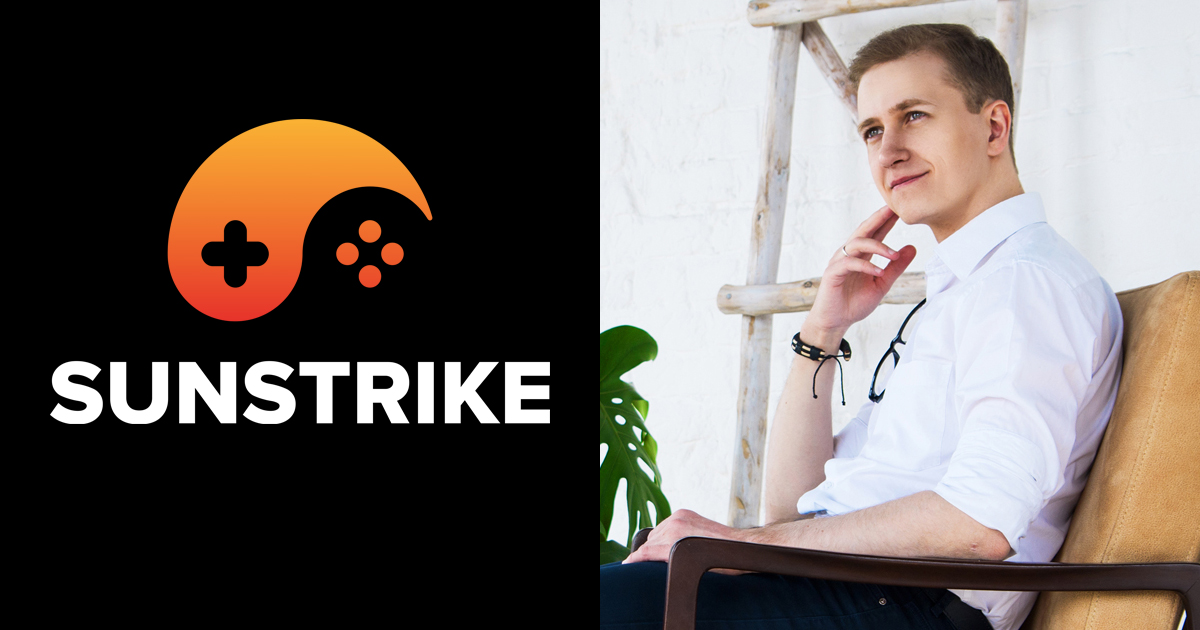
What was 2025 like for your outsourcing company? Which areas developed most actively?
Alexander Shursha, SunStrike: Undoubtedly, everything related to AI developed most actively. The year 2025 can be considered groundbreaking in terms of increasing the accessibility of AI tools. The release of the new graphical model ChatGPT, as well as Google’s Nano Banana, significantly lowered the entry barrier for using AI and boosted labor productivity.
For our company, as likely for the entire market, it was a year of transformation: changing pipelines, exploring all AI tools the market can provide us, and reassessing roles within the team.
How did the game outsourcing market change in 2025 overall?
Alexander: The market became more competitive, especially in areas where AI implementation drastically reduces labor costs. This primarily affects 2D graphics.
Increased competition between projects and further consolidation (large projects taking up a greater share of the market, making it harder to release a successful game) also impact outsourcing, as developers strive to save budgets. Additionally, there’s an increase in service offerings: teams that previously focused only on their own games are entering the outsourcing market due to reduced project profitability.
How has working with clients changed? What changes have you observed in orders, requirements, preferences, and budgets?
Alexander: Higher competition always raises the expectations for the services provided. AI introduces variability in budget calculations. Compared to the era of completely manual labor, client expectations may differ drastically from estimates. Furthermore, it’s necessary to continually research whether a new feature in one of the numerous AI models allows a type of work to be done much faster than a month ago.
What has been decisive for successful outsourcing this year? Which niches, on the contrary, have contracted?
Alexander: Seeing some colleagues finish their work and exit the market, I think if that hasn’t happened to you, it’s already a sign of success. The decisive factor here is the speed of adaptation to changing working conditions.
The most contracted areas (speaking of game graphics outsourcing) are those where 3D was used as an auxiliary tool for creating 2D graphics, such as for precise geometric construction of objects and perspective.
What conclusions have you drawn from operations in 2025?
Alexander: You need to be open to any changes happening in the market, keep an eye on trends, try everything new, and integrate it into work as quickly as possible.
What strengthening or emergence of outsourcing trends do you anticipate in 2026?
Alexander: Observing the rapid development of AI tools for 3D graphics, I wouldn’t be surprised if 2026 brings significant transformation to this niche of game outsourcing. Of course, rare specialists with in-demand skills, like facial animation for AAA characters, likely won’t have to worry. But it could affect many other 3D specialists.
What tasks and plans does the company have for the next year?
Alexander: Besides increasing work efficiency through deeper AI integration, we strive to enhance the company’s visibility in the market by engaging in social media promotion, expanding our network by attending gaming conferences, and so on.