"Cash Cleaner Simulator became our first mini-hit," said Andrey Podoprigora from Forklift Interactive on the results of 2025
February is almost here, but we continue to wrap up 2025 with gaming market experts. Next up is an interview with Andrey Podoprigora, co-founder and CEO of the publishing company Forklift Interactive.

How was 2025 for your business? What achievements would you highlight? What conclusions did you draw for yourself?
Andrey Podoprigora, Forklift Interactive: For Forklift Interactive, 2025 was the year we launched our first batch of games (besides the initial attempt, Desynced). We are very pleased with the results.
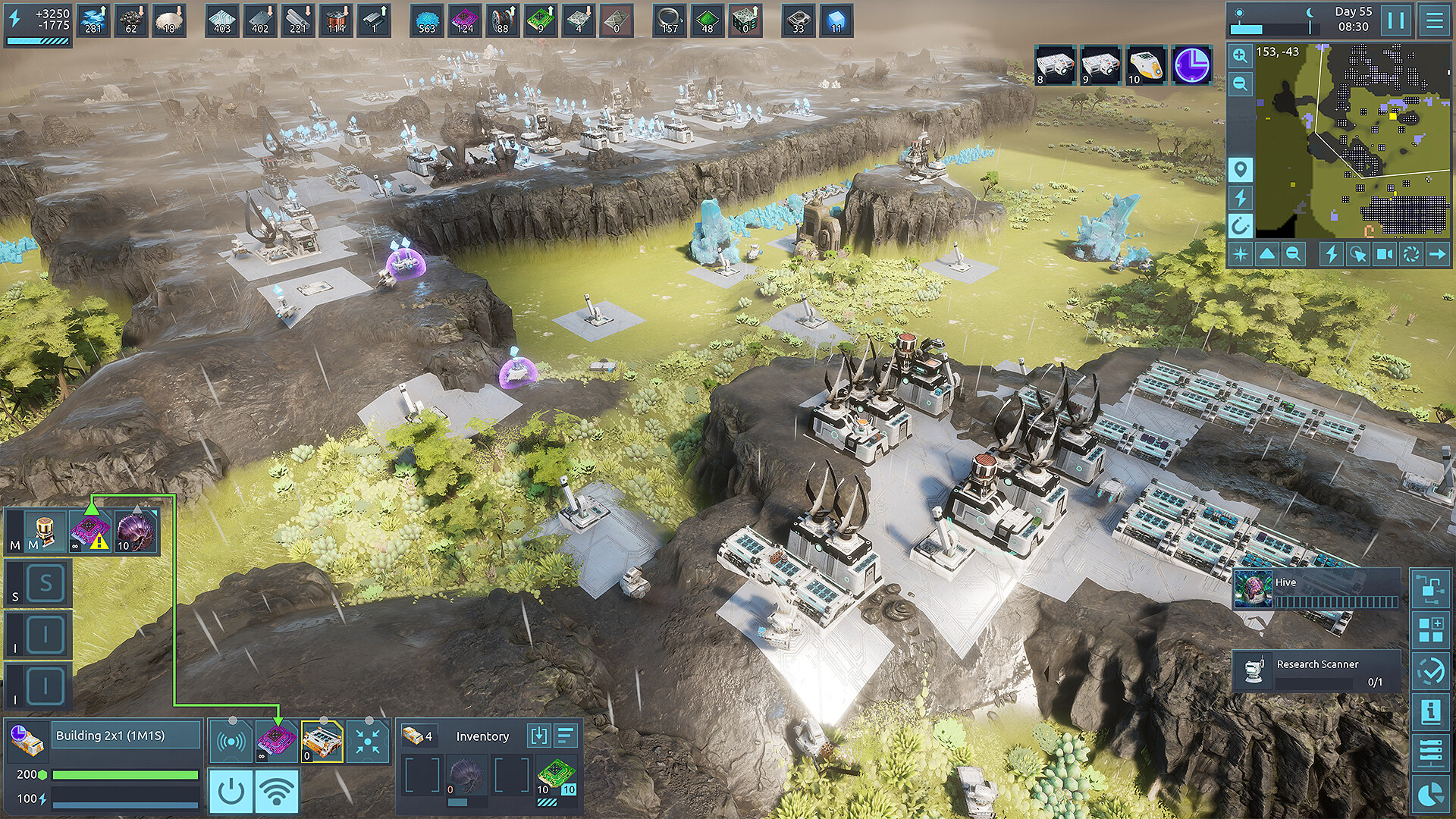
Desynced
Cash Cleaner Simulator from Mind Control Games became our first mini-hit. It's set to launch on consoles in early February. Among the other three releases, some were more successful than others, but it’s important for us that all developers are already receiving royalties.
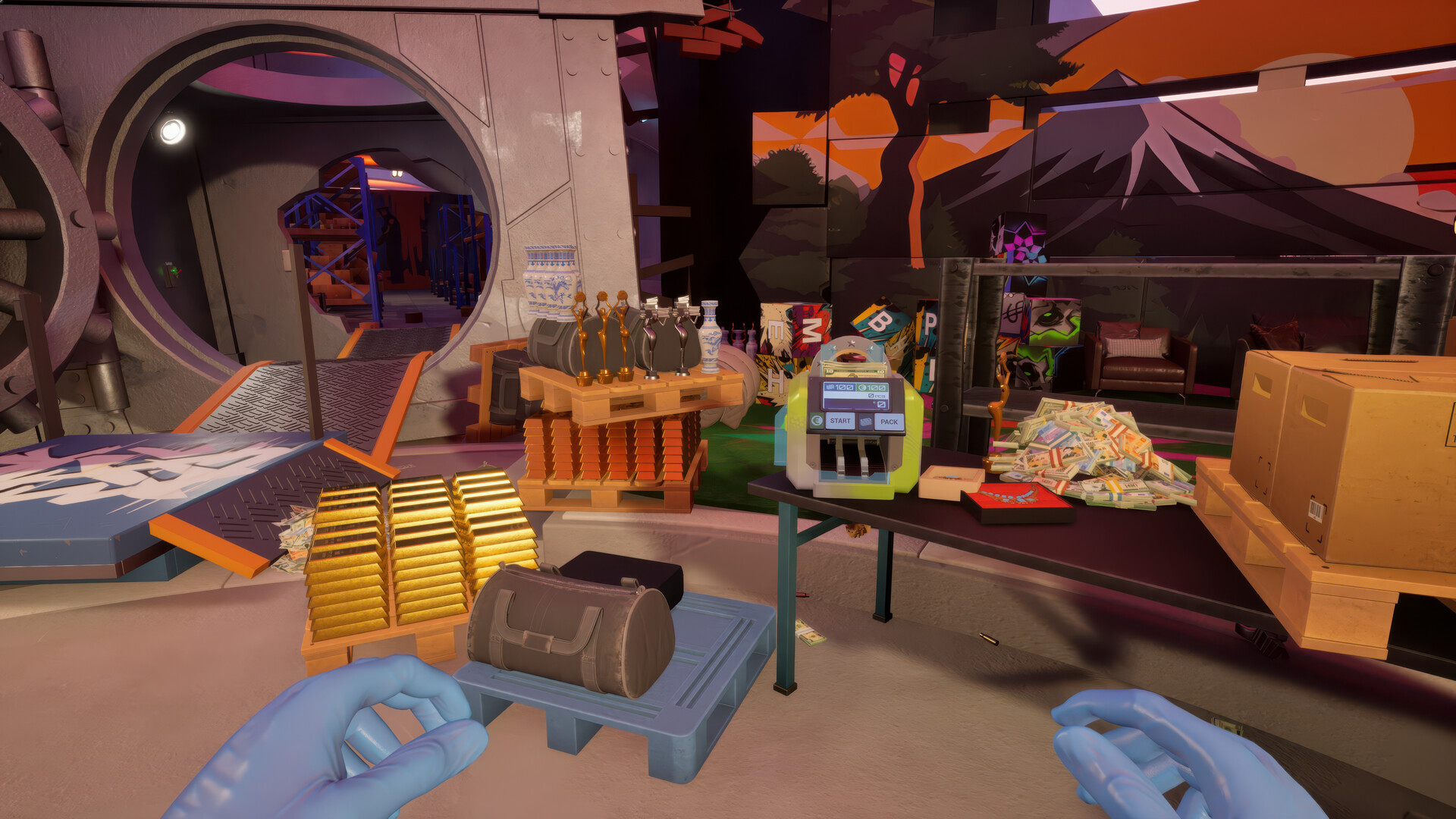
Cash Cleaner Simulator
Forklift was conceived as a publisher of systemic games: those you want to play for the mechanics, not the story or characters. A simple analogy: chess is "systemic," you can play it endlessly; puzzles/crosswords are "content-based," you complete them once and that's it. The successes and setbacks of last year showed us that we’ve chosen the right direction. We'll continue going that way and deepen our understanding of this niche.
At the end of last year, we announced Gate Guard Simulator, which immediately gathered over 50,000 wishlists and continues to grow. It's our current headliner. But besides it, the game portfolio for this year is very exciting, so stay tuned for announcements!
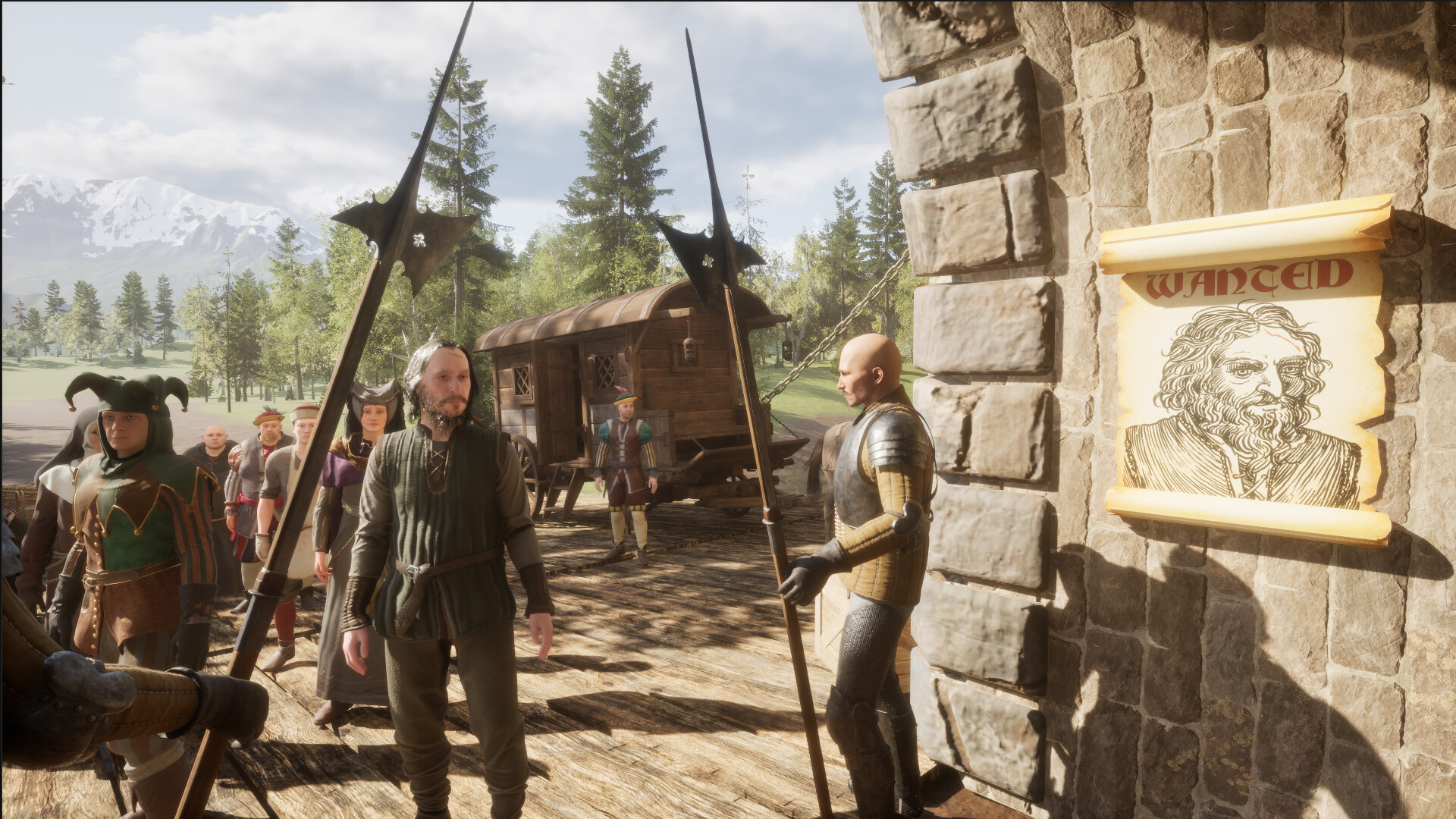
Gate Guard Simulator
How has the game publishing market changed from your perspective?
Andrey: The market feels increasingly saturated—the competition for players’ attention continues to grow. But there's a good flip side to this: the number of players is also increasing. This means that successful scenarios are becoming more pronounced. When a game lands in the spotlight, we get projects like PEAK or Megabonk, unprecedented in terms of the speed at which they become hits.
There’s an old formula I like. A game's success is Appeal multiplied by Retention. In other words, the game's external appeal multiplied by its relative quality, or its ability to hold a player's interest. This formula is still relevant today, but the further we go, the more the game's Appeal—its ability to grab a player's attention at the Steam page or trailer on YouTube/TikTok—comes into play. You can view this from different angles, but we choose to be positive: we draw conclusions when selecting projects, considering them in announcement planning.
Have the practices of working with developers changed? Has it become simpler or more complex? Have developers themselves changed in any way?
Andrey: It may not be pleasant for everyone to hear, but the pandemic and influx of money into the industry birthed a large number of teams creating games that were unnecessary to most. Games that couldn't be sold, even with bloated budgets and unrealistic expectations. Remnants of such teams could still be found in 2022 and 2023.
We all see what's happened now. On one hand, it's unfortunate that the market cleansed itself in such a harsh way (at the cost of many closed studios and lost jobs). On the other hand, I tend to think the market has become more honest and sensible, and in many ways, that's better for everyone.
Teams pitching games to us now generally focus on low burn rates, seek efficient development methods, and aim for niches where success is more likely. We apply the same approaches in our publishing.
For us, publishing isn't about money and so-called "marketing," but concrete assistance in areas where the developer needs it. For example, playtesting is one of our key focuses. We work with it almost religiously, using it at all stages of development: testing hypotheses, identifying weak spots, and strengthening what already works well. Today, we see that many teams already understand the importance of testing, and we help them do it more effectively.
What was the year like for the niche in which you typically release games?
Andrey: If we zoom out and look at the PC gaming market as a whole, it's evident that the lion's share of indie hits in recent years are the very "systemic" games we chose as our niche. Friend slots, simulators, strategies, roguelikes, Balatro, Schedule I, PEAK, Manor Lords, Megabonk, Quarantine Zone, and so on. All these offer "endless" gameplay, low costly content, innovative (though sometimes not!) mechanics, and hundreds of hours of game time.
In fact, it’s a cheat code, which small teams with minimal budgets can use to win in today's market. Three years ago, when we first pitched the publishing company with this thesis to investors, it was already clear to us that these types of games would more often become successful. Today, it's already a reality on the sales charts, and this trend will continue.
So, if you're creating something like this, then a) congratulations, and b) come talk to us about publishing.
What conclusions and lessons from 2025 would you highlight for developers preparing for release?
Andrey: For those preparing for release, I wish patience and success! And for those just about to start:
- use the cheat code, don’t make content-heavy games, focus on mechanics and systemic gameplay;
- don’t develop your game "in the dark," as in, working on it for two years and only then deciding to show it to a publisher or players;
- if you lack experience, choose games that you can realistically complete in four to six months of development.
What trends in your niche are you expecting to strengthen or emerge in 2026?
Andrey: I really hope that some rules will begin to solidify in the use of AI in development. Right now, it's the Wild West with all its pros and cons.
The most interesting innovations will still emerge in the indie segment. New hits will create new sub-genres, and existing ones will evolve. I'm particularly curious to see where friend slots, as well as strategy/builders, will go, though that's more of a personal interest.
What are the company's plans for 2026?
Andrey: We just announced the first project from our internal studio, Docklight Games. The game is called ABOVE: Colonies of the Mist. It's a city builder/colony simulator. The player's task is to develop a settlement on islands amidst deadly fog.
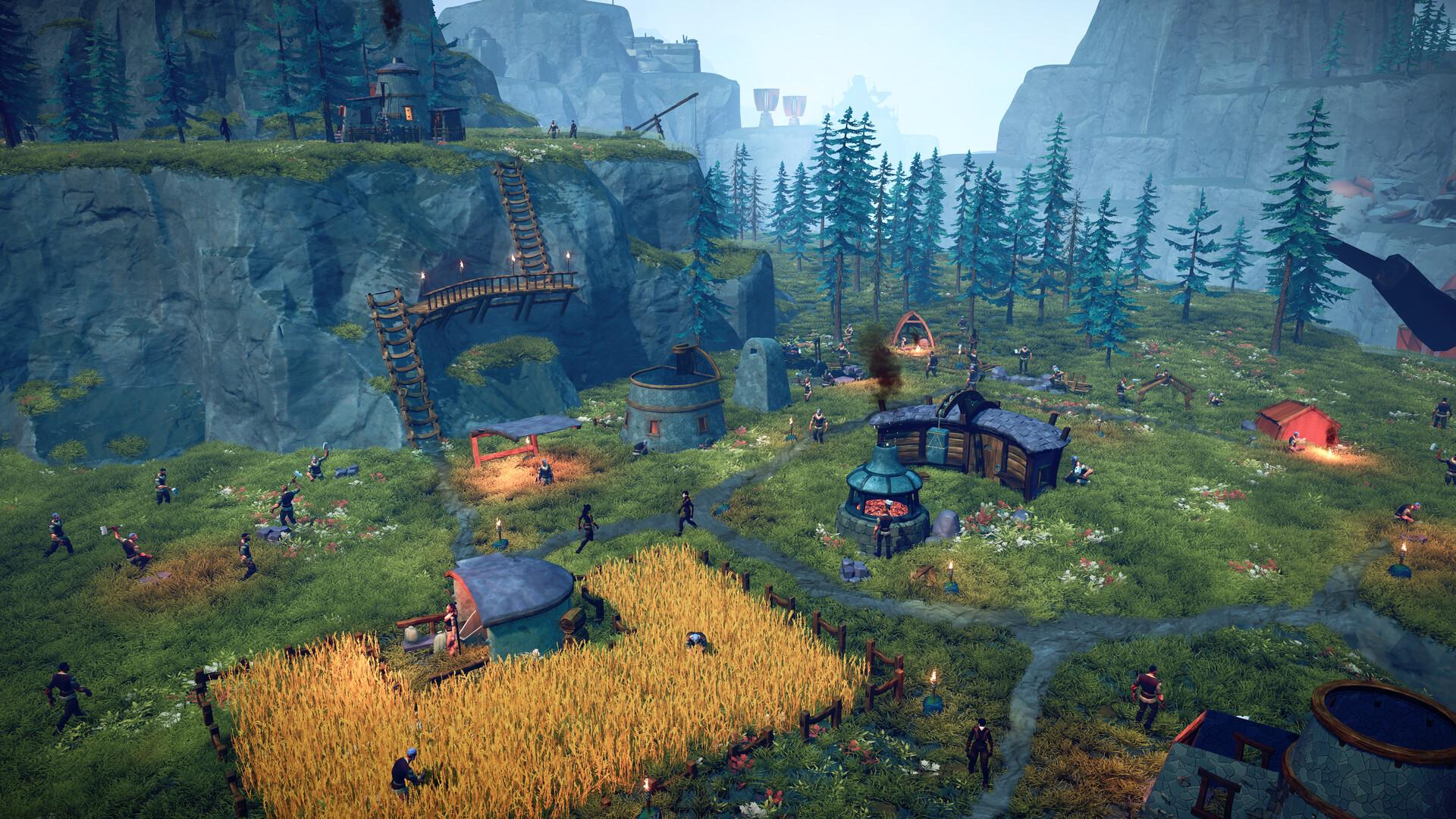
ABOVE: Colonies of the Mist
In publishing, we plan to grow gradually. The focus is on quality, not quantity: this applies to both our team and the games we publish.