Virtual reality specialists have expressed concerns about the short-term implications of Meta's recent retreat
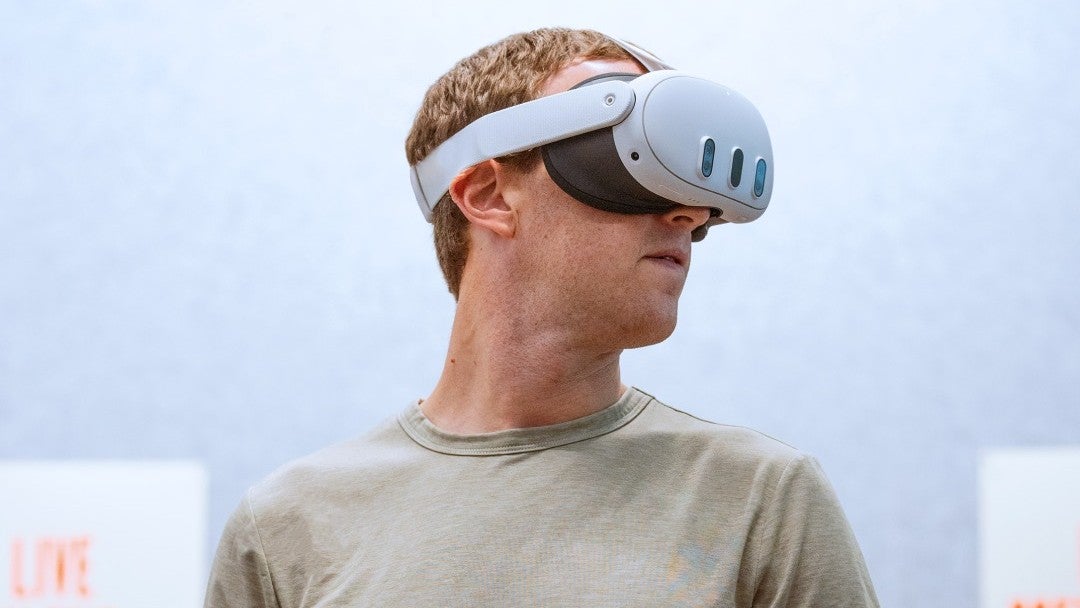
Analysts specializing in virtual reality have expressed apprehension regarding Meta's recent closure of three development studios and subsequent workforce reduction within its Reality Labs metaverse division.
In conversations with The Games Business, Andrew Eiche from Owlchemy Labs noted that Meta's corporate objectives diverge from those of game creators. Cassia Curran from Curran Games Agency commented that Meta's ambition for its virtual reality segment is more akin to the scale of the iPhone than a gaming console.
"Meta’s ambitions are misaligned with the XR industry," Eiche remarked. "Their aim is not to enhance XR to its fullest potential, but rather to optimize social platforms. Shifts in investments, such as those towards AI, can detrimentally impact XR, leaving developers at the mercy of Meta's decisions if it's the primary revenue-generating entity in the field."
Curran explained that Meta isn't looking to develop a small-scale console business but rather seeks a market as expansive as the iPhone's, viewing gaming merely as a transitional phase.
Curran estimates that the Meta store brings in 70% to 80% of all virtual reality revenue, and any deprioritization in VR could unfavorably affect developers relying on this ecosystem.
Eiche expressed short-term worries but maintained a positive long-term outlook. He mentioned, "There are several promising devices and technologies on the horizon. The main challenge is enduring the current period to reach future advancements."
Both Eiche and Curran remain positive about the future, citing upcoming innovations in virtual reality technology. Google is developing Android XR, and Valve is preparing to release its new Steam Frame headset.
"The long-term outlook remains promising due to emerging competition," Eiche noted. "Surviving through 2026 is critical."
Curran emphasized, "VR isn't obsolete. The appeal of VR games ensures their sustainability. A fervent community of VR gamers exists, along with fresh demographics, such as the Roblox generation, who have shown increased interest. The affordable price of the Quest 3S headset has led to about 33% of American teenagers owning one, indicating significant market penetration among young people. The performance of various games reflects this trend."
Earlier this month, Meta shut down three virtual reality studios, including Twisted Pixel, Sanzaru, and Armature Studio, as part of strategic staff reductions in its Reality Labs division.
Since transitioning from Facebook to Meta in 2021, the company has invested over $70 billion into its metaverse vision.