Inkle stated that pricing TR-49 at $7 was a strategic experiment aimed at fostering an "impulse, 'jump in' mindset."
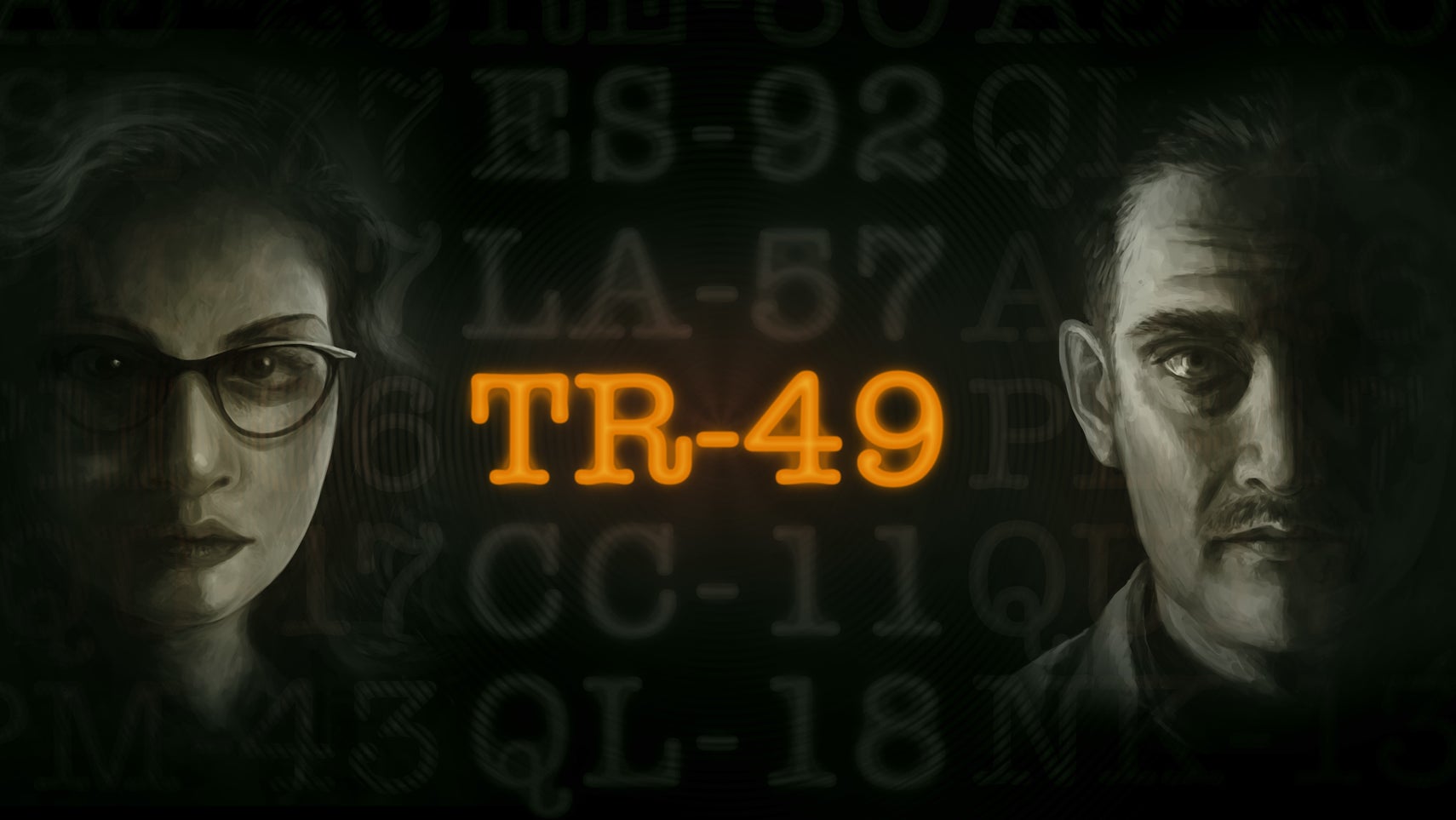
Jon Ingold, who leads narrative direction at Inkle, an independent game developer, explained that setting the price of their new game, TR-49, at $7 was intended to prompt players to purchase on a whim rather than delay buying. He discussed this pricing strategy with GamesIndustry.biz, noting that with the crowded and algorithm-driven nature of today's market, exploring different pricing could make a game more noticeable.
TR-49, which debuted on January 21, has reportedly had the most successful launch for Inkle in over a decade, as shared by Ingold on Bluesky. Constructed within nine months as part of a project to explore the Godot game engine, TR-49 has eclipsed the sales of Inkle's earlier game, Expelled, although that game required a longer development period and experienced a decline in sales after an initial surge.
Ingold mentioned, "With TR-49, the pricing was experimental: we aimed to create a scenario where there's little incentive for players to delay purchase and wait for a discount. We wanted to foster an immediate 'jump in' mentality," he stated to GamesIndustry.biz. He elaborated that the game market's saturation and algorithm-based trends justify this experimental approach, highlighting competition with free demos.
While initial sales were robust, Ingold acknowledged the financial outcomes are uncertain. He pointed out, "Though sales started strong, they're not necessarily generating substantial revenue." Having roots as a premium-only mobile game company, earning a modest amount per copy is not foreign to Inkle.
Ingold believes that the studio's ability to experiment with pricing is supported by the game's quick development time and low overhead costs, alongside Inkle's extensive back catalog. He emphasized that if TR-49 encourages players to explore additional, more expensive titles from Inkle, that could also be considered a success.
Comparing financial returns with Expelled remains ongoing for Inkle. "Even though TR-49 was developed in half the time and costs less, it needs to achieve more sales to balance the books. Yet, the reputational value of reintroducing Inkle to audiences might prove equally valuable," Ingold reflected.
In his Bluesky discussion about TR-49's impact, Ingold called it a "compact game" and highlighted its advantages during the GamesIndustry.biz interview. "Crafting smaller-scale games relieves the pressure of constructing complex projects; the focus can be on excelling in a single aspect," he explained. It allows thorough testing and refinement, avoiding the challenge of perfecting the final stages under duress. He noted that if the game isn't well received, there's less at stake both financially and emotionally.
Ingold concluded by saying, "While we find merit in this approach, our decisions are driven by our creative interests and inspirations. We'll follow the material wherever it leads us."