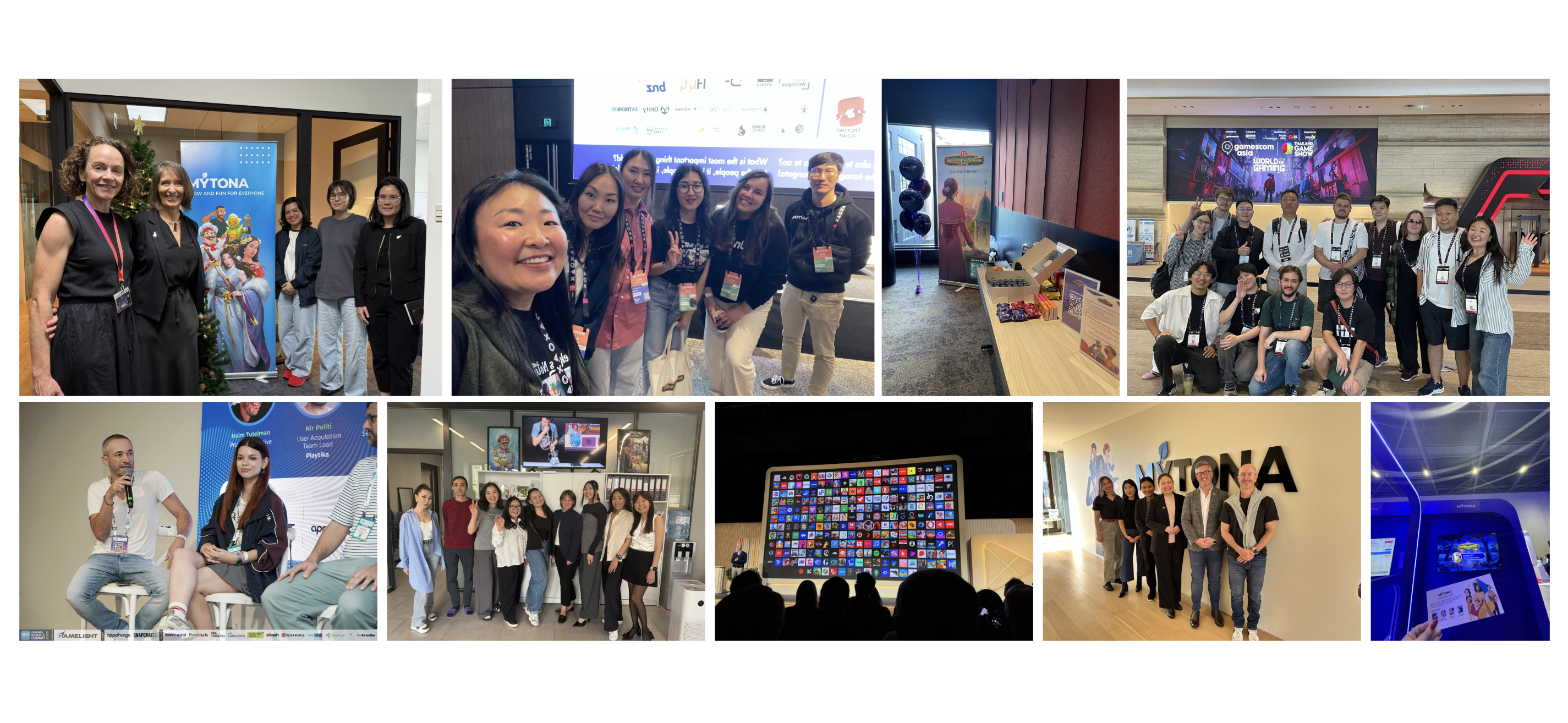
"Performed rebranding, formulated a new meta-goal, and celebrated the tenth anniversary of Seekers Notes," Darya Pogrebnyak from Mytona on the results of 2025.
We continue summarizing the outcomes of 2025 with gaming teams. Up next is an interview with Daria Pogrebnyak, Business Development Manager at Mytona.
What was 2025 like for your team? What did you accomplish, what are you proud of, and what did you not manage to complete?
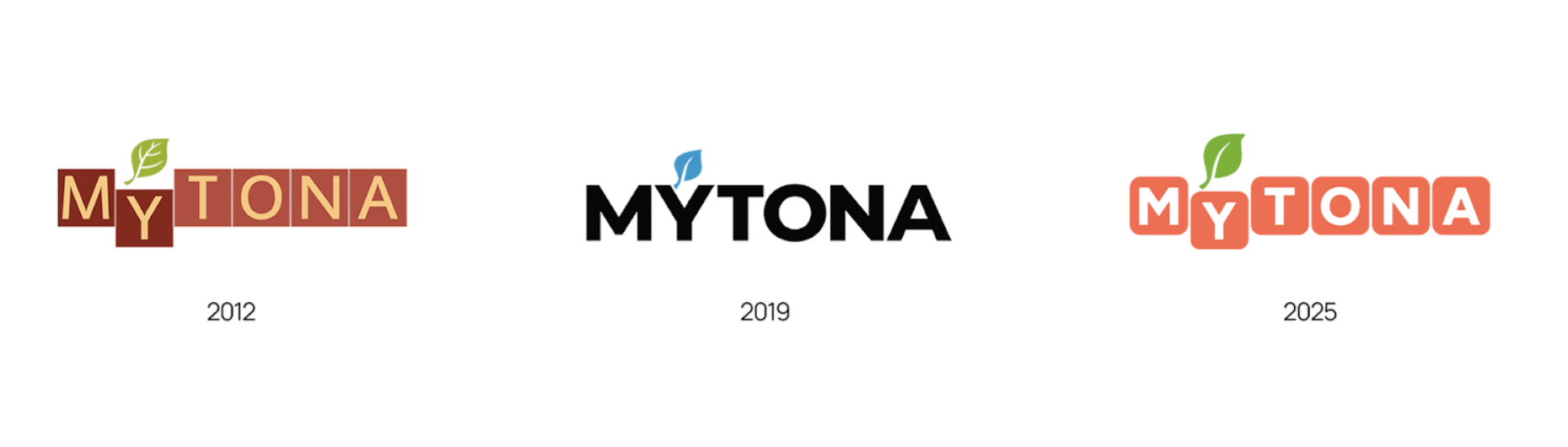
Daria Pogrebnyak, Mytona: 2025 was quite eventful and in many ways pivotal for Mytona. It was a year filled with significant updates and enhancements to our approach, both at the company level and within our games. We updated our logo, branding, and launched a new website, reimagining our brand's visual language and how we engage with the industry and players today.
For us, this wasn't just a redesign but an essential stage in the company's evolution. We have felt for a long time that our visual identity needed to become warmer and primarily focused on the player. In the new logo, we combined our past and future, bringing back the iconic green leaf—symbolizing joy, energy, and growth—and enhancing gaming associations to make the identity more vibrant and intuitive. This step reflects how we see ourselves today as a team and a game company.
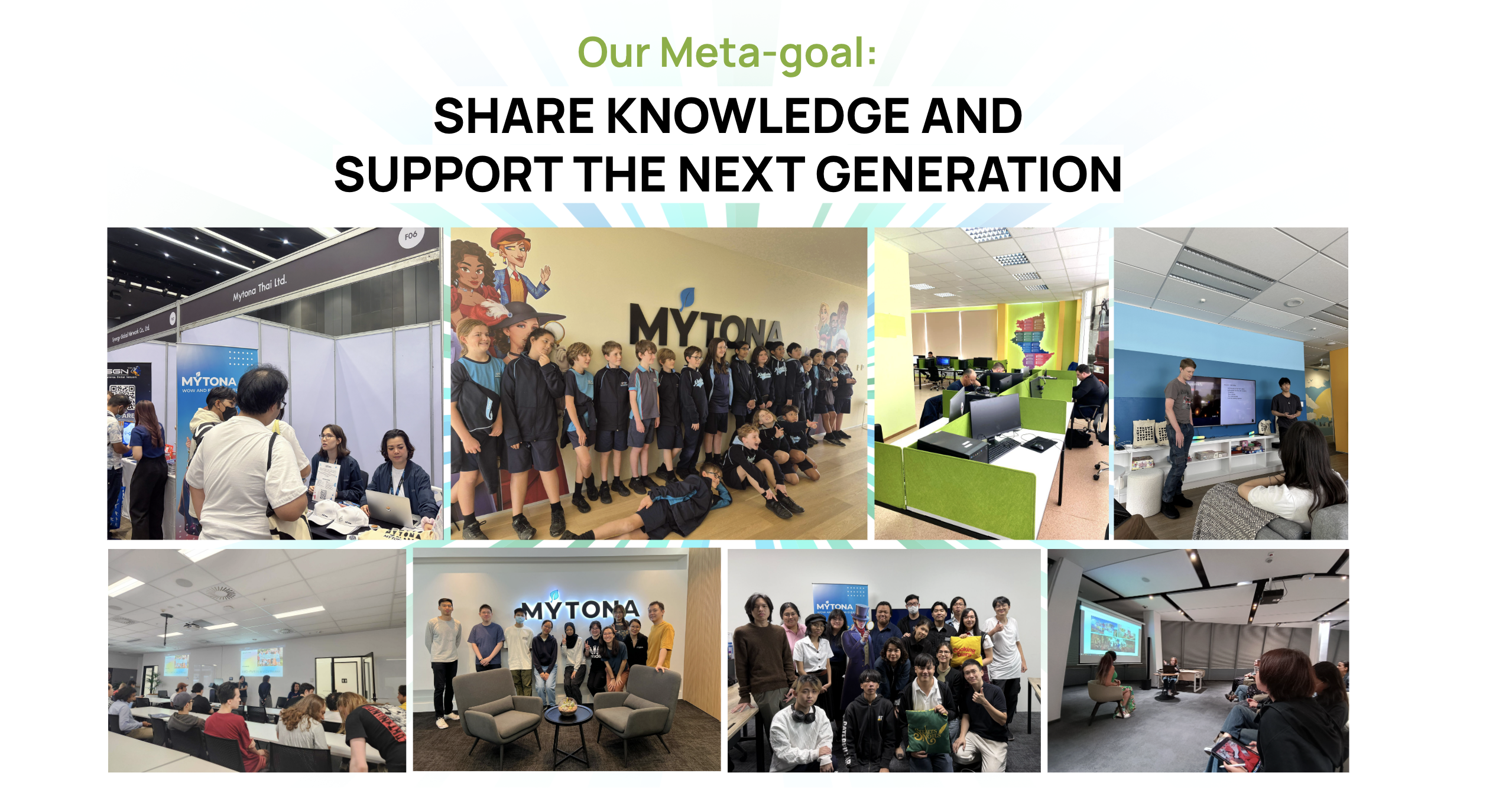
Alongside active game development, we continued to systematically work on team culture, company vision, and in 2025, we formulated a new meta-goal—"Sharing experiences and supporting the new generation." For us, this isn't just corporate phrasing but a common goal for the entire Mytona team. Everyone can contribute—through mentorship, speaking, participating in industry competition juries, educational initiatives, and supporting local communities.
This meta-goal has naturally become an essential phase in the company's development. 2025 marked 20 years of professional activity for our founders, Alexey and Afanasy, and during this time, Mytona evolved from a small team in the North to an international developer with established projects and strong expertise. At some point, it becomes important not only to develop your products but also to share the accumulated experience with the industry and those just taking their first steps in game development.
By 2025, this meta-goal began to translate into concrete actions in key countries for us. In New Zealand, we launched a pilot extracurricular game development class for schoolchildren. In Thailand and Singapore, we started internship programs that give young professionals the opportunity to gain practical experience and immerse themselves in real game development. In Kazakhstan, the meta-goal is realized in several directions—from mentoring and our experts participating in juries and contests to educational initiatives and supporting classes and creative communities. It is a comprehensive and long-term effort with the game development ecosystem.
The most valuable part of these initiatives for us is not just passing on experience. Each meeting with the younger generation, their interest, questions, and fresh perspective provide inspiration to the team itself. It works both ways: we share knowledge and support, and in return, we receive energy, new ideas, and a reminder of why we create games. This is why this meta-goal remains dynamic for us—evolving with the team and becoming a vital part of our continued growth.
From a product perspective, 2025 was varied but very important.
- Seekers Notes celebrated its 10th anniversary—a rare milestone for a mobile game with an active and engaged audience. The preparation for the anniversary was extensive, and the in-game celebration lasted almost four months. It was successful for both the community and the business: we saw increases in engagement, retention, Stickiness, and ARPU/ARPPU, and received thousands of warm reviews and even video congratulations from our most loyal players. We continue to see increased competition in UA within the casual segment, which slows the growth of our player base in terms of numbers, but we remain true to our approach—not attracting players at any cost, but focusing on product quality and honest interaction with the player.

- Cooking Diary turned seven in 2025, which is also a substantial period for a mobile game. This year, the team shifted to a phase of bolder and more decisive changes, thoroughly revisiting the entire game economy and placing more emphasis on user experience. One of the key achievements was reducing the player churn rate—facilitated by conceptual changes in game balance and level difficulty. A significant confirmation of the quality of these changes came when Cooking Diary was selected by the App Store editorial team as "Game of the Day" in over 170 countries worldwide. We are proud of how swiftly and focused the team moved this year.

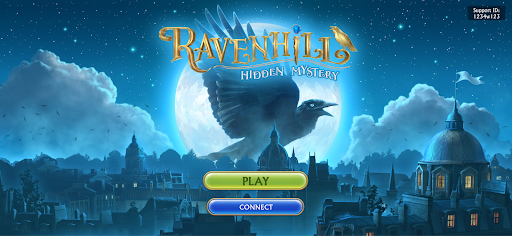
- This year, we also made a difficult but important decision to close one of our projects, Outfire. It was a deliberate step, especially in the current market conditions, where moving forward is necessary if a project does not meet the expected metric trajectory. Instead, we focused on relaunching Ravenhill, thoroughly reworking the game to meet modern standards and market expectations—from the UI and core features to the plot, FTUE, and key events.
- Chef & Friends gained audience confidence in 2025. The team did significant work on expanding content and activities for players—the updates were rich with new content that players eagerly awaited, sometimes even featuring multiple events at once. The project already showed strong results, including ranking No. 1 in the Free Games category in Malaysia, and we feel ready for the next challenges.

Of course, not everything was accomplished—we didn't manage to launch some of the new events and initiatives we had planned—as the market evolves very quickly, and LiveOps quality standards constantly rise. But 2025 helped us clearly prioritize, strengthen our foundation, and enter 2026 with a more precise focus—on speed, quality, and long-term value for players.
What conclusions as a development studio did you draw from 2025?
Daria: The main conclusion of 2025 is a deliberate focus on our real strengths as a company: the ability to create and operate games over the long term. At the same time, we understand that the modern market and ever-increasing competition demand significant effort, flexibility, and continuous professional growth.
Today, Mytona concentrates on genres where we have deep expertise and a long-term understanding of the audience: Hidden Object and Time Management. Our key projects in these niches consistently rank in the top-3 global games, and we see potential for further growth.
The second important insight is that we confirmed once again that for further growth, it is essential to maintain creativity and boldness in decision-making; any changes need to be assessed over the long term, not just by short-term metrics; and that LiveOps and events should enhance the core gameplay, not replace it.
What was 2025 like for the niches and genres you work in?
Daria: 2025 showed that even mature and seemingly conservative genres continue to evolve.
Hidden Object remains a stable segment: leading projects are enhancing LiveOps, borrowing mechanics from match-3 and merge, adding more meta-content and social elements. Time management, on the other hand, is still recovering from the COVID-peak, but this creates room for experimentation and reimagining the genre.
Overall, the mobile games market is becoming more competitive and mature: budgets are growing, regulation is tightening, and players increasingly choose quality, honesty, and depth of experience. Yet, the mobile segment remains robust and flexible, as evidenced by the market's stable revenues even amidst competition with other entertainment formats.
What trends do you expect to intensify or emerge in 2026?
Daria: In 2026, we expect several key trends to intensify:
- further development of LiveOps and the battle for sustained player engagement;
- the growth of social and cooperative mechanics—guilds, joint events, competitions;
- enhancement of hybrid formats, where core gameplay is complemented by mini-games, expeditions, and meta-systems;
- a demand for a more player-friendly, less stressful gaming experience;
- increased importance of community and transparent communication between developers and players.
We also see the industry gradually moving away from aggressive and misleading mechanics towards more honest and meaningful interactions with the audience.
What are the team's plans for 2026?
Daria: In 2026, the Mytona team will focus on systemic changes and sustainable growth.
We will continue to:
- enhance the quality of our games and the depth of the gaming experience;
- develop Chef & Friends, betting on marketing and expanding the audience;
- strengthen the economy, retention, and long-term progression in our key projects;
- invest in LiveOps, seasonality, and content diversity;
- develop a player-centric approach—from support and community to development processes.
For us, 2026 represents the next step forward: towards more mature products, a strong community, and games that remain with players for a long time.