"In a time when neural networks can generate high-quality videos, trust in such content is declining. Having a demo has become the decisive factor," said Artem Koblov from perelesoq about the outcomes of 2025
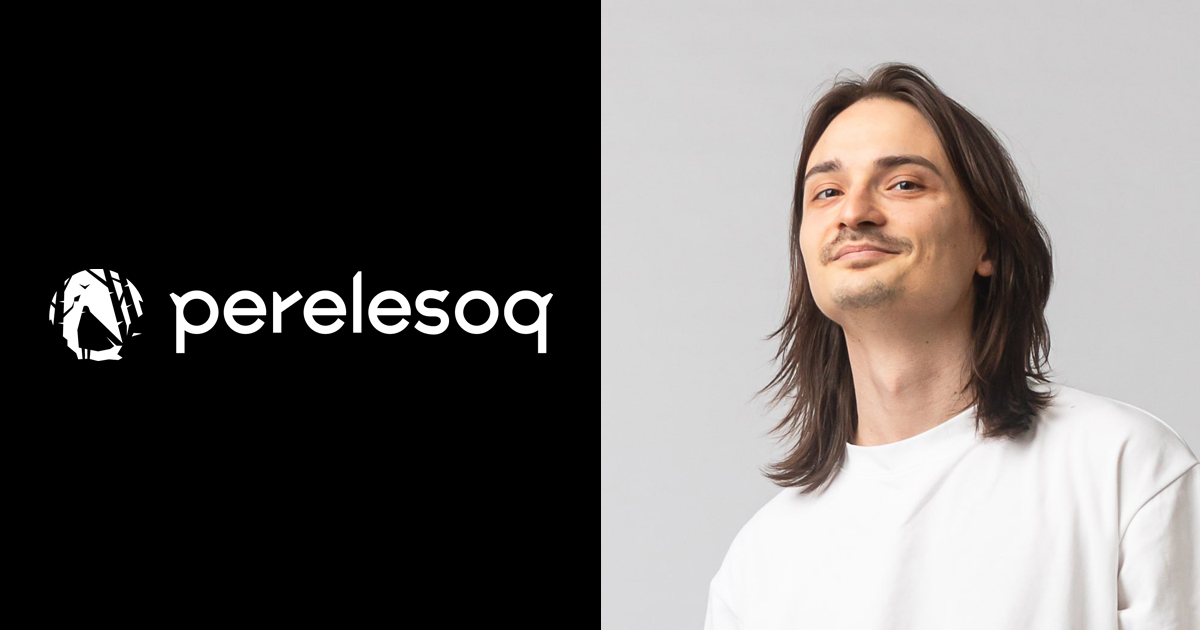
Continuing our review of the year 2025 with gaming (or gaming-related) teams and experts. In our second year-end interview, we spoke with the creative director of the studio perelesoq, Artem Koblova.
How was the year 2025 for your PR activities? Which directions developed the most actively?
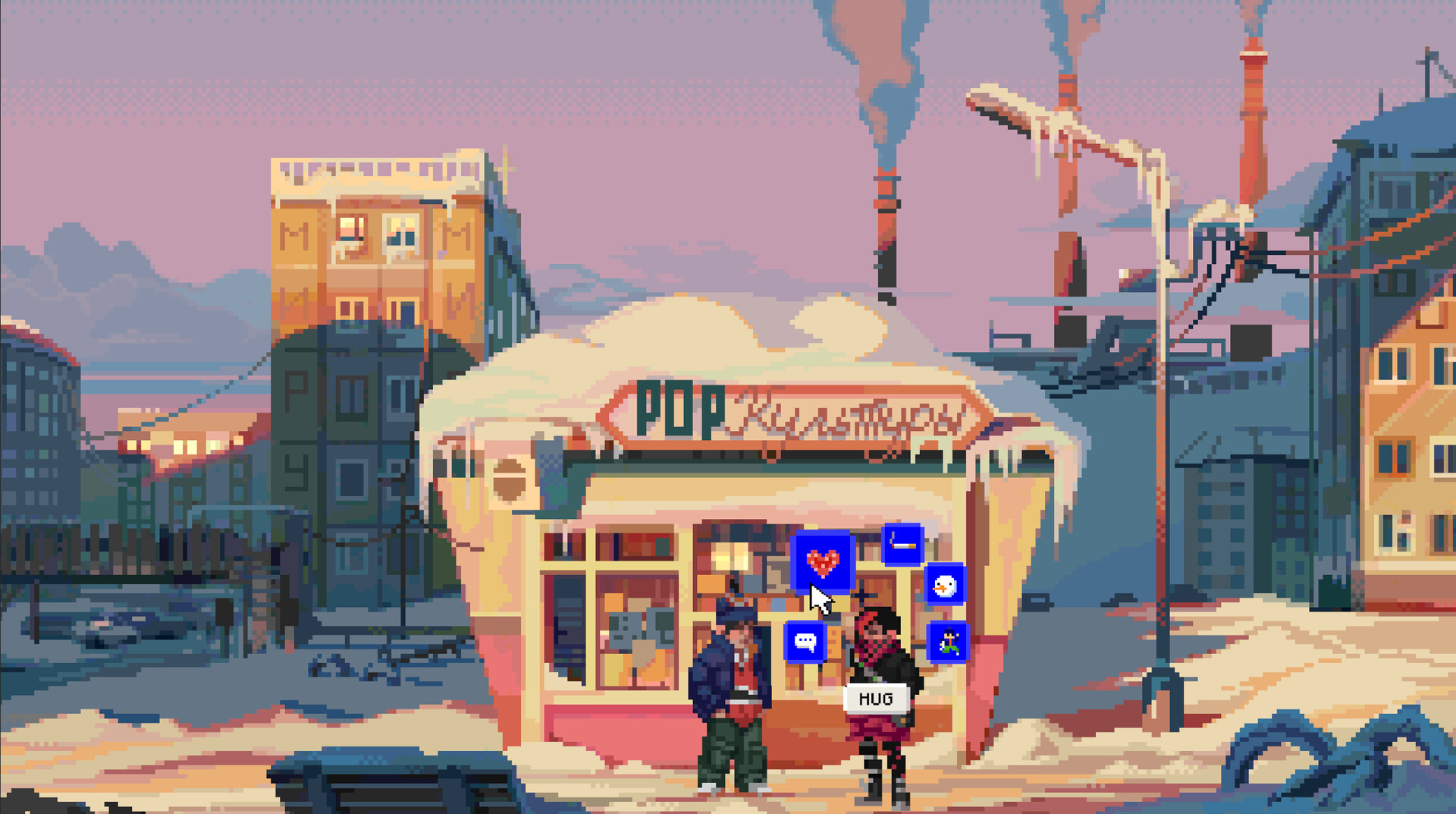
Artem Koblova, perelesoq: The year 2025 was very productive and enlightening for us. In January, we made a truly loud announcement for "Laryok," getting several million reach and 50,000 wishlists in just a month. This was no accident, but the result of methodical work on the trailer, the Steam page, and leveraging accumulated experience and contacts.
"Laryok"
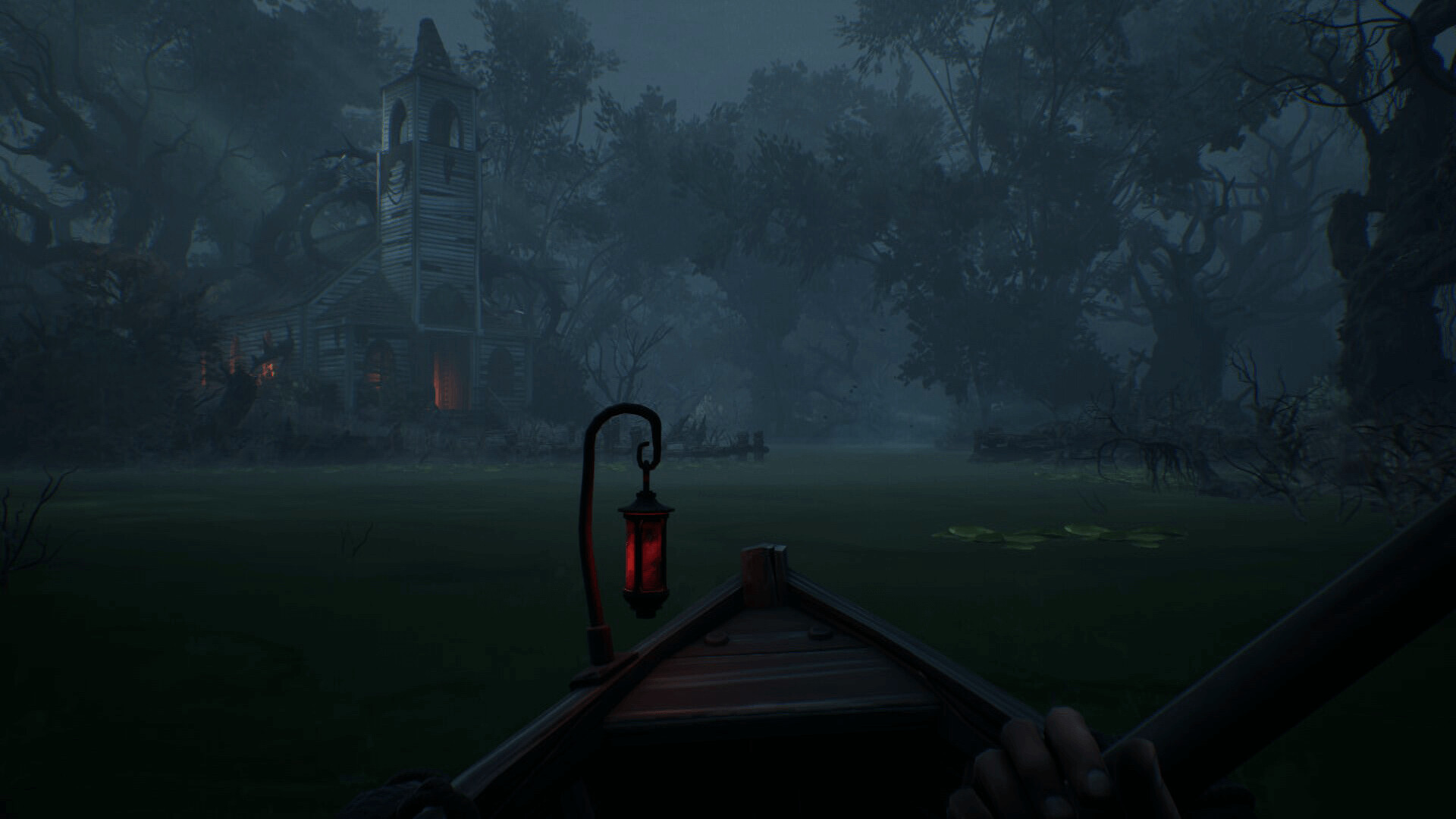
After the announcement, the team focused on development, and we redirected the freed-up resources of our marketing people to assist other developers—not as a full-fledged agency, but more from recommendations, supporting projects like Dreadmoor and Quiete a Ride.
Dreadmoor
How has the gaming PR market changed this year—in channels, approaches, tools?
Artem: Traditional media and Reddit are becoming less effective, with more emphasis on video content—both vertical and horizontal. We actively use this approach and recommend it to our partners. In the Russian-speaking segment, Telegram channels have significantly strengthened: many gaming and pop culture media in Telegram have gained millions, significantly outperforming traditional platforms in reach.
What remains unchanged is the need to find gripping triggers, work with high concepts, and generally seek viral potential. Without these components, any PR and marketing efforts are less effective.
Another important direction to keep in mind is demos. Cases with No, I’m not a Human, Quarantine Zone, or Cloverpit showed that the game itself, available for trial, is a unique source of viral potential. In conditions where neural networks can generate almost indistinguishable videos from reality, trust in plain video content will decrease. A demo will become the decisive factor confirming real quality and gameplay.
How has work with clients changed? Do you observe a shift in requests, budgets, communication formats?
Artem: Since we are not an agency in the classical sense, our "clients" are friendly developers who come to us through recommendations. The requests are often related to enhancing announcements or effectively handling other news hooks. We are pleased that now people come for a comprehensive approach, understanding that simple PR without quality video production, proper Steam page setup, and other elements often means wasting the budget.
What became decisive for a successful PR launch of games this year? What practices stopped working?
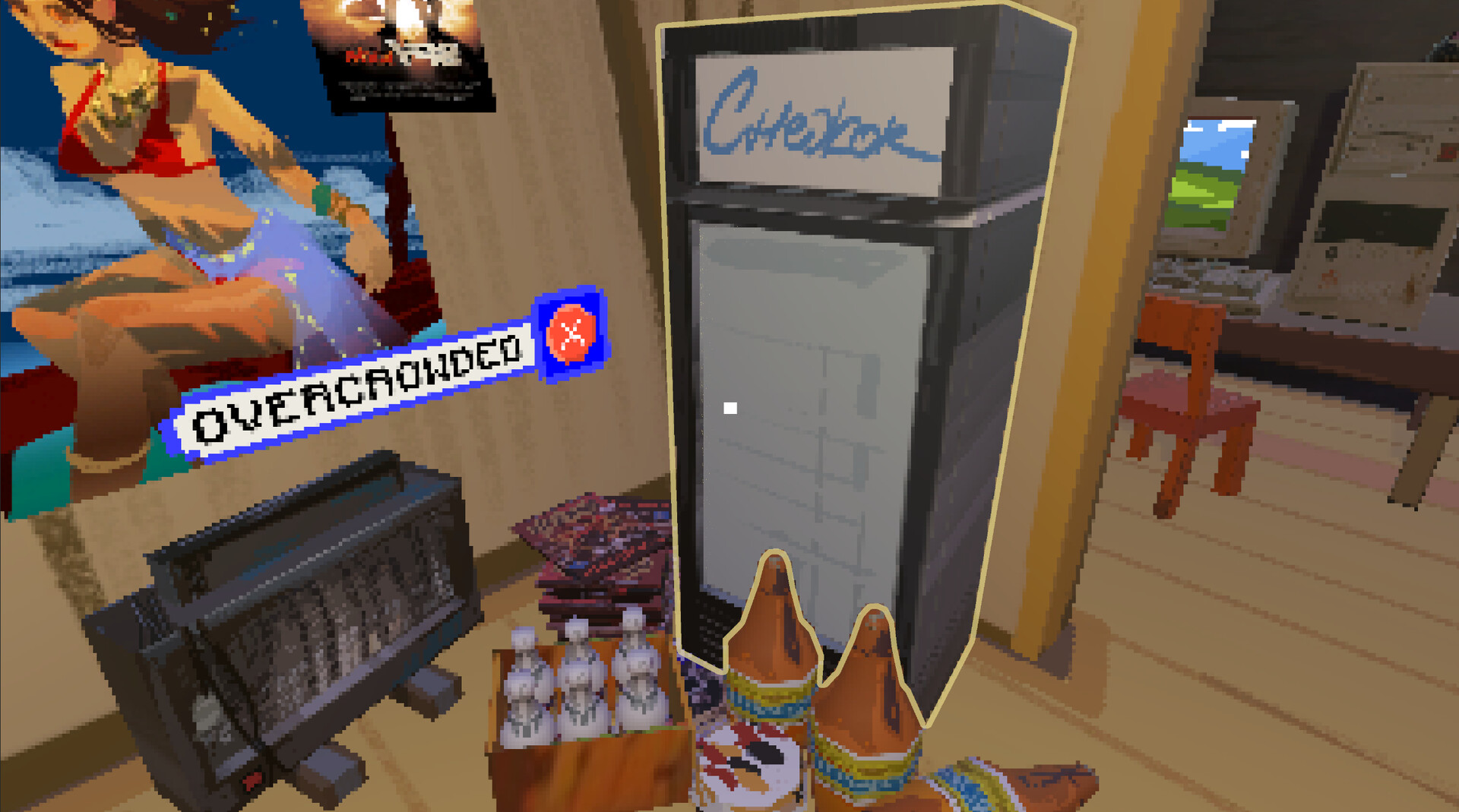
Artem: The decisive factor in 2025 was undoubtedly the bright high concept and that same viral potential. A significant role is also played by working in demand genres. The marketing press has already tired us with its "horrors," "simulators," "friend-slops," and other "co-ops," but the essence is that genre choice strongly determines starting conditions. To successfully launch a classic adventure or even more so a visual novel, you need significantly more resources, expertise, and budget. The example of "Laryok" clearly showed how the fusion of different triggers, flavored with nostalgia and a popular genre, can instantly achieve broad reach.
"Laryok"
I already mentioned demos above. Handling a news hook with a demo release has become a basic requirement. It's great when there's a chance to influence the build's content to make the launch more successful. Developers often focus on other things, while the marketing team looks at what can make great content. When the two directions work in symbiosis, the result is the best.
Speaking about what stopped working, it's practices based on dry press releases or mass mailings without a striking visual or emotional trigger. Simple game release announcements are no longer enough. You need to show why it's special and do so in a format that is quickly consumed and spread.
What conclusions from 2025 might be useful for studios planning releases in 2026?
Artem: Here's some advice:
- Invest in high concepts and visual quality: pay utmost attention to finding a unique idea and presenting it vividly. The more original your trailer or screenshots, the higher your chances of success.
- Learn to create compelling videos: short vertical videos (TikTok, YouTube Shorts) and full-length videos on YouTube are the main platforms for attracting attention.
- Invest in a powerful demo: a quality, engaging demo is your main salesperson and source of viral content.
- Use relevant channels: for the Russian-speaking audience, this is undoubtedly Telegram. Study where your target audience is, and don't be afraid to experiment with new platforms.
- A comprehensive approach is the key to success: we have been convinced that results come from a holistic effort: from the idea of a trailer to the design of a Steam page. Without this, money spent on promotion often doesn't yield the desired effect.
- Start preparations in advance: a successful announcement requires methodical and systematic work on all elements.
What trends in gaming PR do you expect to strengthen or emerge next year?
Artem: We expect the continued dominance of video content, especially short forms. New platforms or mechanics may emerge, demanding even greater ingenuity from developers.
The enhancement of generative AI will lead to significant distrust among players, so we anticipate that the accessibility and quality of demos will become even more significant.
We also forecast an increase in the trend towards brand personality—studios that actively engage with their audience and have already gained the players' trust will thrive. In the Russian-speaking segment, the influence of Telegram channels will continue to grow.
What goals and plans does the studio set for itself for the next year?
Artem: Our plans for 2026 include:
- Developing our own projects: this, of course, involves the continued active development and promotion of "Laryok" and our other games so that our own experience remains exemplary. We will be able to take on far fewer partner projects, but we are always open to communication and knowledge exchange.
- Studying and testing new formats: we want to delve deeper into exploring other content formats so that our recommendations for ourselves and our partners remain relevant.
- Deepening expertise in viral content: we will continue to accumulate knowledge and experience in creating content that effectively captures and spreads, so our news hooks bring maximum effect.
- Community development: we see the value in facilitating the creation of a more close-knit indie developer community for experience sharing and mutual support. Our "forest of games," where we showcase the latest indie projects, and the "Game Marketing" channel, where we share useful articles about promotion, have grown well over the year, indicating that we're doing something right and meeting a need.