"I don’t want glossy, sterile, perfectly acted voices floating in the dead space of a recording studio," said Georgy Beloglazov of Brickworks Games about working on the new Sublustrum
On November 26, a remake of Sublustrum, a cult Russian quest game by the Phantomery Interactive team, was announced. The App2Top editorial team spoke with Georgiy Beloglazov, founder and CEO of Brickworks Games, about how the work on the new game is progressing and what it will be like.
Georgiy Beloglazov was the director of Phantomery Interactive, which released Sublustrum in 2008 and “Phobos 1953” in 2010. Afterward, the studio spent a long time developing games for social networks. In the late 2010s, Georgiy launched a new studio in Cyprus — Brickworks Games, specializing in mobile survival games. Among its key projects are Grim Soul and Cyberika. The new version of Sublustrum, whose release is planned for Fall 2026, is being created under the Phantomery Interactive brand, with Brickworks Games as its publisher.
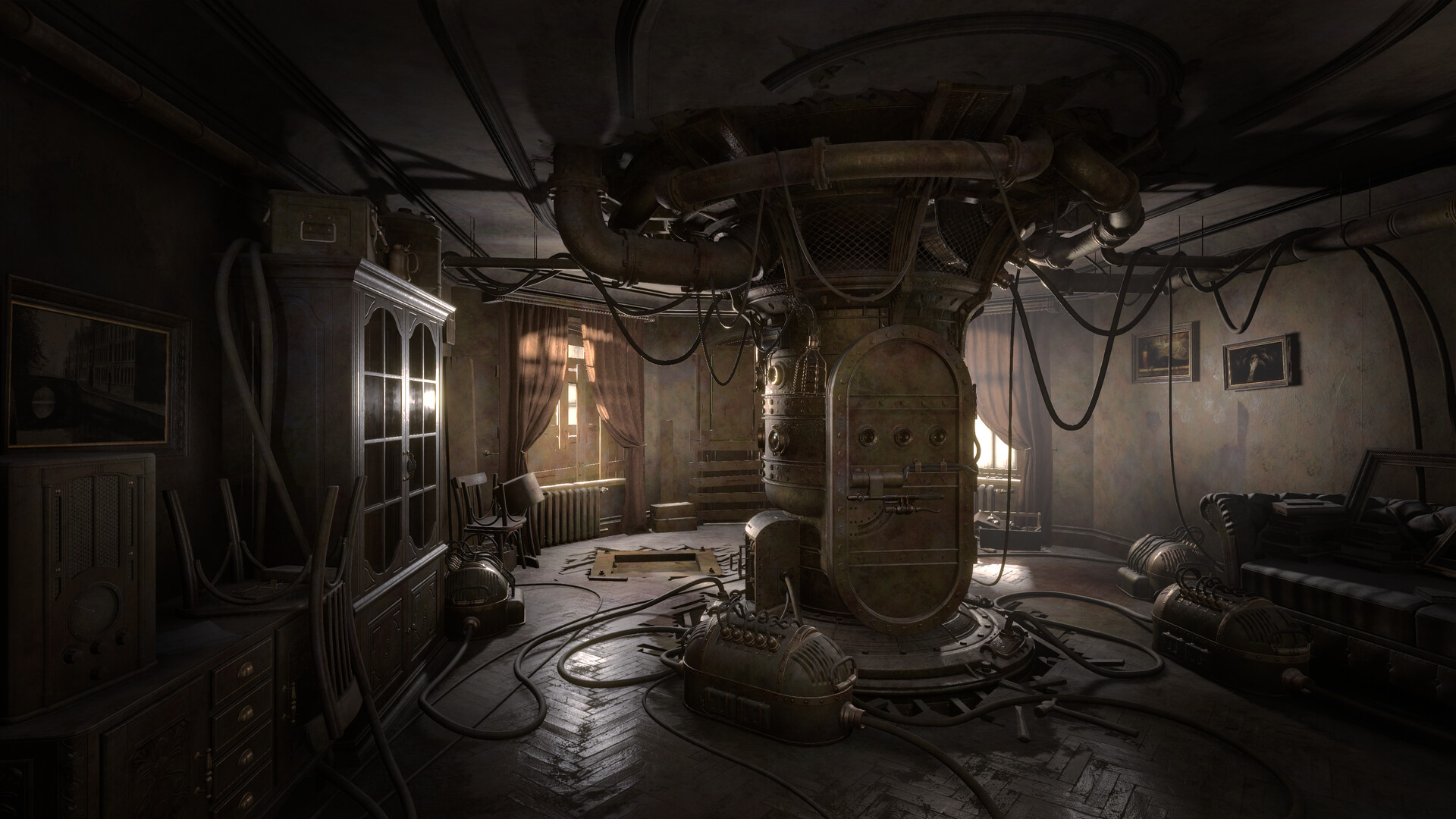
Alexander Semenov, App2Top: Why did you decide to return and remakeSublustrum right now?
Georgiy Beloglazov — Founder and CEO — Brickworks Games
Georgiy Beloglazov, Phantomery Interactive and Brickworks Games: I have often thought about Sublustrum over all these years. This game became the starting point of my journey in game development and influenced my understanding of the impression and effect games can make as an artistic expression or, if you like, as an art object. For a long time, I didn’t have the time or energy to return to the project, even though the rights had been purchased long ago.
Now, several factors coincided at once. Technologically, it has become possible to recreate in full 3D the atmosphere and level of detail we envisioned back in 2008. I managed to bring together some key people from the original team.That was an unexpected gift of fate for me. Several personal events in the past year made me rethink my path and come back to things I wanted to finalize.
How did you define for yourself what the new version of the game should be? Is it just a transition to modern technologies or a deeper reimagining of the original?
Georgiy: This is definitely not just a transition. It is a conscious attempt to express all the ideas behind Sublustrum as they sounded in our heads back then, but were technically out of reach at the time.
It is important not to lose the essence of the original, while building a holistic experience that works on feelings and emotions, not just nostalgia. For me, this has long ceased to be just a remake, it is a reimagining, a kind of “second life” for the game.
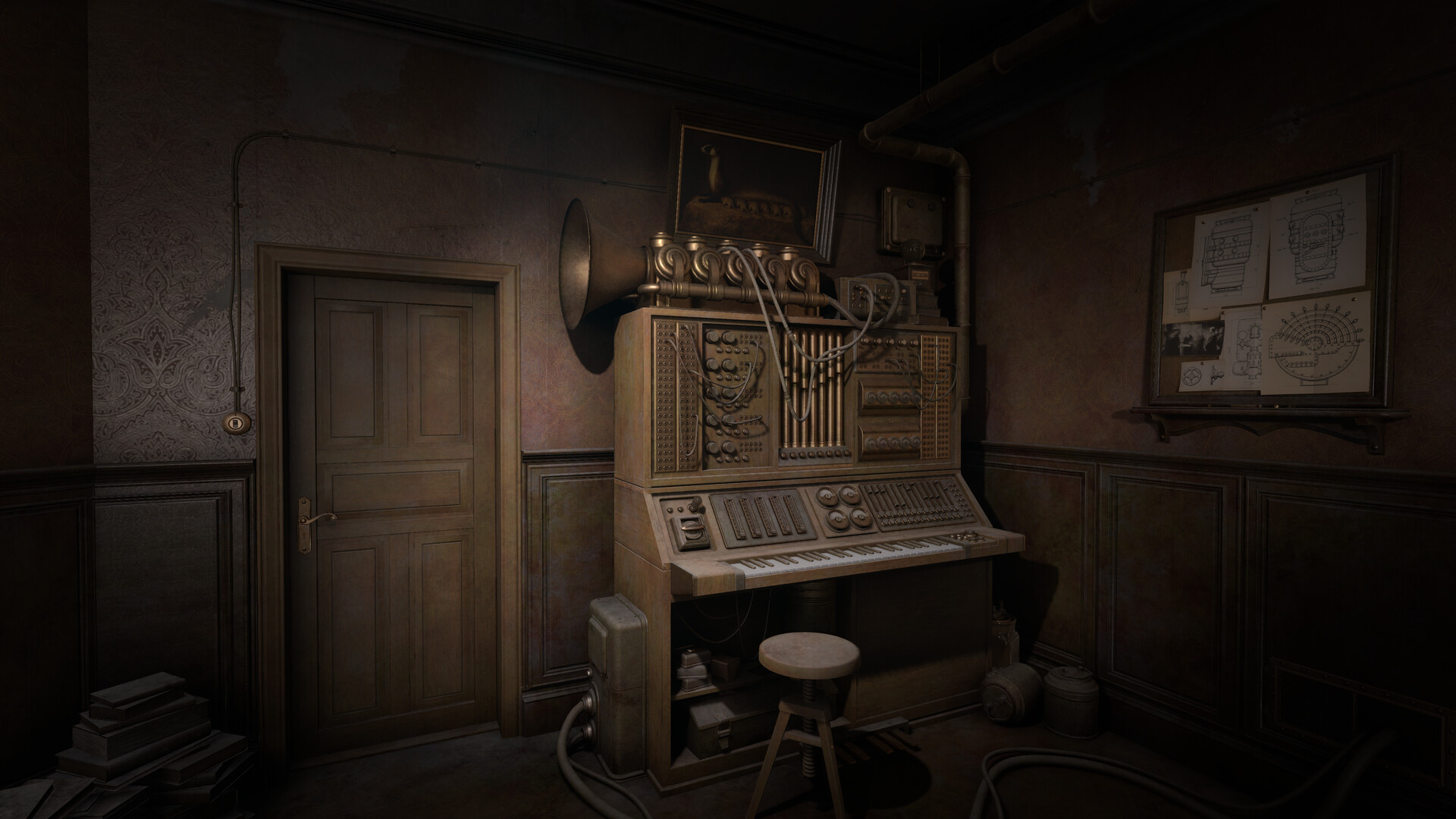
The original game was developed by just four people. Who were you able to bring back to the team? How hard was it to reunite the team after so many years, and how far had life scattered them?
Georgiy: Back in 2007, each of us juggled multiple roles. Now, three key people from the old team have returned. Some are handling 3D again, others art, and some are assisting with marketing. Over the years, people have lived in different countries, from Germany to Vietnam, changed professions, and gone through different life stages.
Surprisingly, everything came together very naturally and almost synchronistically. For me, it felt like another turn of the spiral. In 2007, we assembled just as spontaneously and immediately realized we would work well together.
People often say that game development has become easier thanks to new tools. Do you agree?
Georgiy: Development has become faster, but not easier. The principle of “easy to learn, hard to master” applies now more than ever.
AI provides a big help for small studios, but we consciously use it very little in Sublustrum. The art is created the old-fashioned way, by hand, otherwise, what’s the point of doing all this? AI only helps with very specific, routine tasks, like upscaling low-resolution archival photos that would be unreasonable to restore manually.
It’s also important to understand that the overall quality bar has risen dramatically over the years. So many outstanding games have come out: The Medium, Soma, Observer, Dear Esther, and others. Now we have to work three times as hard to surprise players who’ve already experienced all of these wonderful titles.
On top of that, the transition to full 3D brings its own challenges. Beyond the demands of environmental detail, it creates new complexities in puzzles and logic, issues that simply didn’t exist before.
I asked the previous question for a reason. The original was created in two years. Am I right, that the remake will take about the same amount of time?
Georgiy: I think it will take a bit longer, because the development process is very different now.
With the original, we had no room for experiments. All our time went into pulling off what we had envisioned and meeting the deadlines.
Now we spend much more time on prototyping, searching for a visual language, designing puzzles, and testing. It makes the journey longer, but it leads to a much higher-quality game.
What exactly needs to be reworked for the remake?
Georgiy: In short, almost everything.
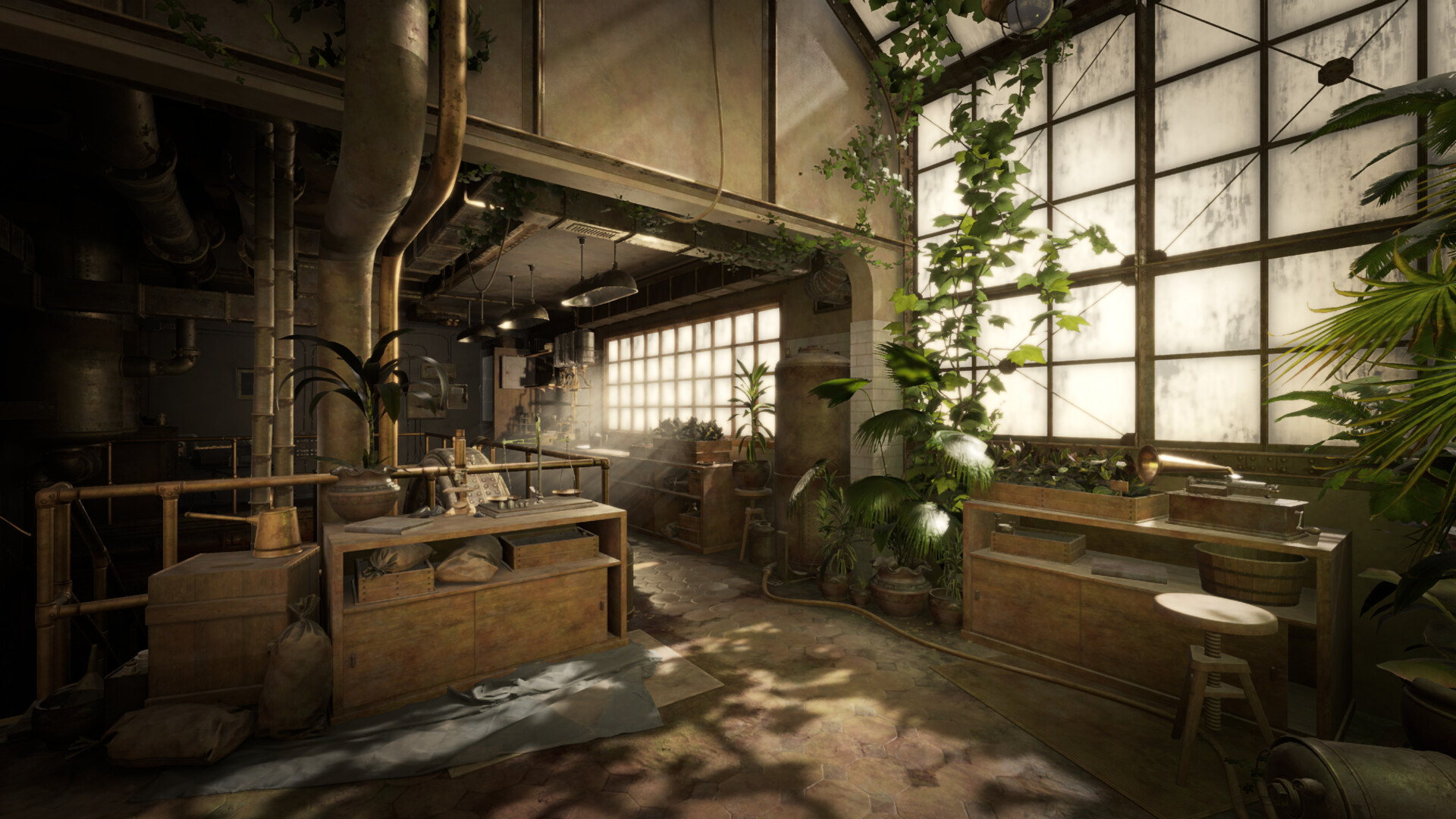
- All graphics are being created from scratch.
- Most puzzles have been reworked or completely reimagined.
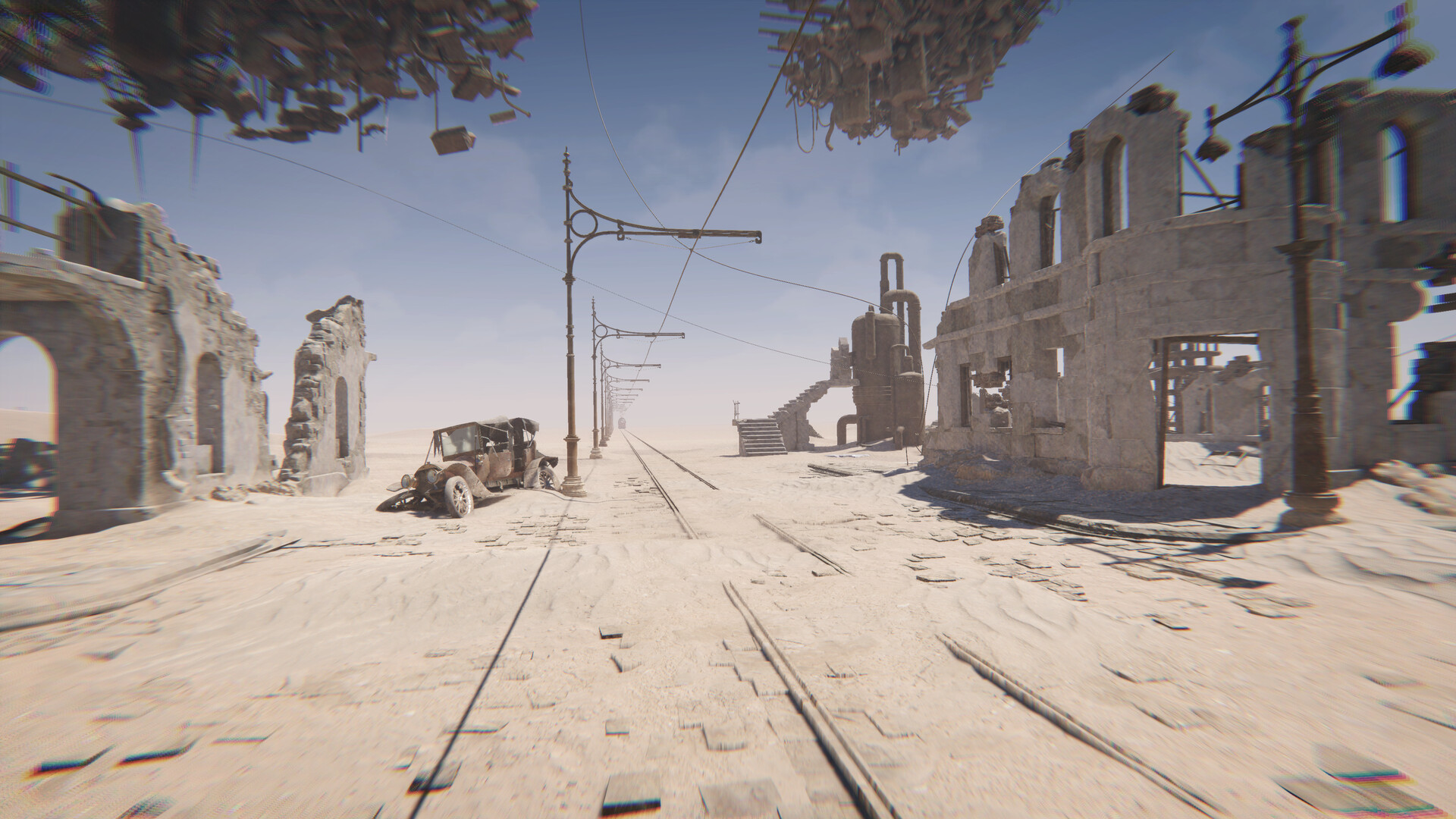
- The locations are rebuilt as full 3D spaces with free movement.
- We’ve rethought the visual techniques as well, including stylization of analog film aesthetics and vintage lenses.
- The narrative has become more cohesive and complete. Several plot branches that we simply didn’t have time to add then are now included.
- The interfaces have been entirely redesigned.
- And the game will feature at least one alternative ending.
How many people are currently working on the project?
Georgiy: Around twenty. It’s still a small team, but no longer a “home apartment” development like in 2008.
It’s important for us to keep the team compact, because Sublustrum benefits from that indie approach. Besides, I try to involve as few freelancers as possible, since it takes quite a bit of time to connect to the project’s creative “egregor,” so to speak.
The development team itself is fully staffed, but right now we’re looking for people in marketing and SMM.
Were you able to preserve any of the old assets—models, textures, materials—or does everything have to be recreated from scratch?
Georgiy:As I mentioned earlier, almost all assets are being rebuilt from scratch. The old ones, both 2D and 3D, are outdated and no longer compatible with modern technology. But we still use them as references and benchmarks, trying to stay true to the original wherever it already worked well.
We’ve managed to preserve almost the entire archive from 2008, and I have to admit, that helps us a lot. Interestingly, this was only possible thanks to sheer luck: the archive had been sitting on a forgotten server that nobody had accessed for years.
What unexpected challenges has the team faced during the remake process?
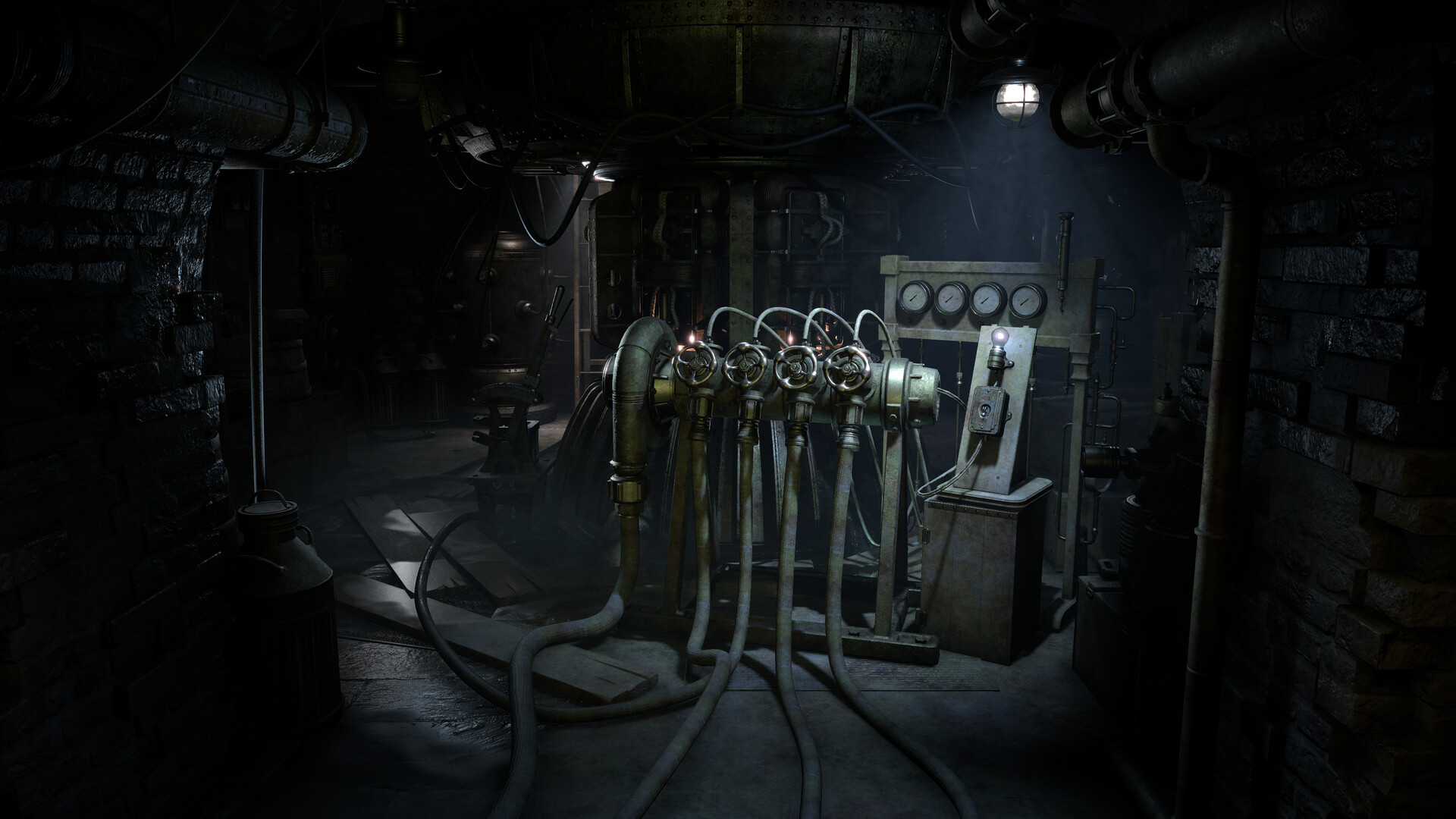
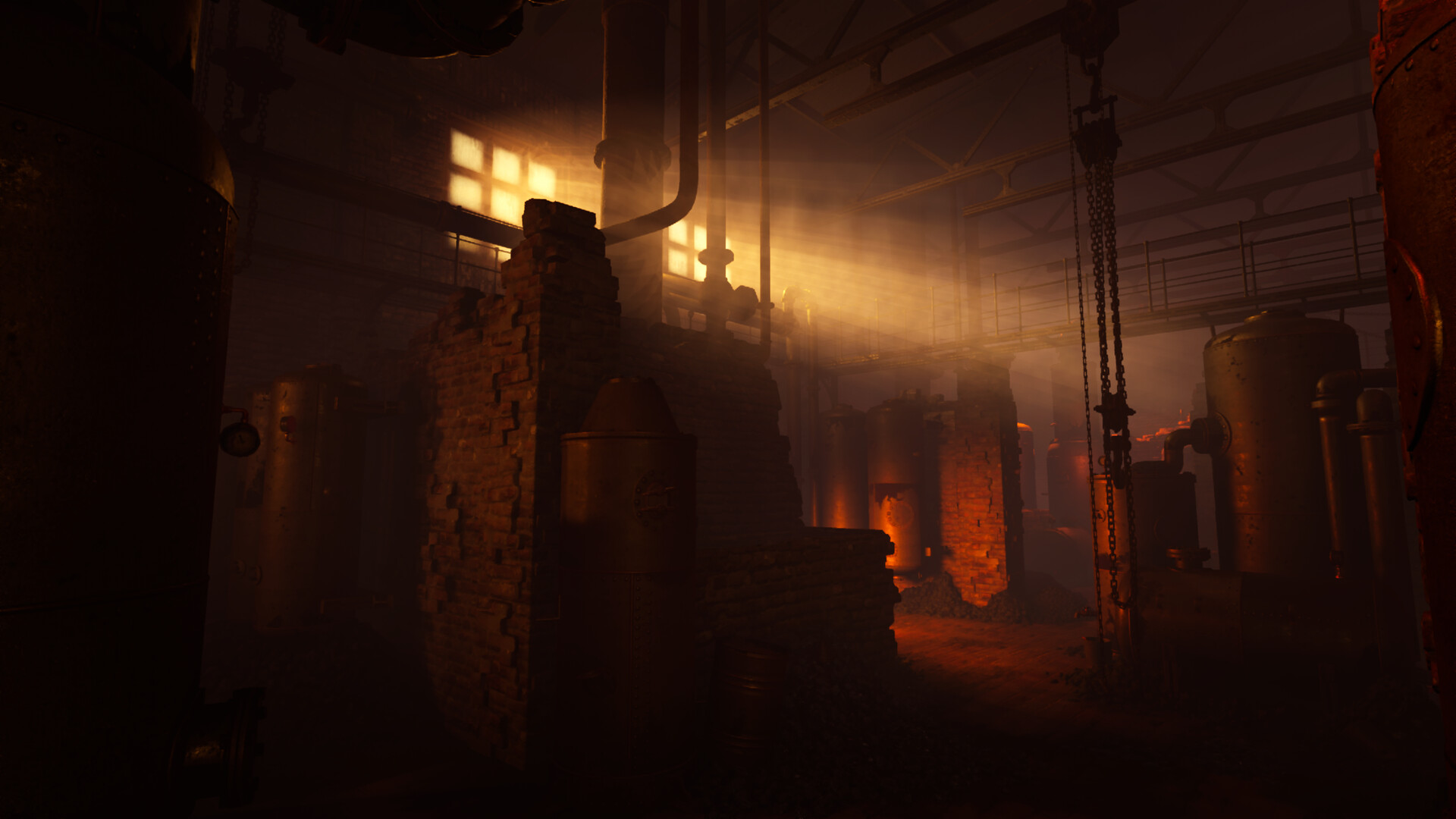
Georgiy: The need to redo all the 3D art. I hoped to reuse old 3D Max assets, but that turned out to be impossible. We’re also still working on recreating the original visual style: that rusty, worn-out, instantly recognizable Sublustrum look, which was easy in 2D but far from simple to replicate in complex 3D scenes.
Another unexpected difficulty is dealing with the “game literacy” of our new team members, who naturally try to bring in influences from more recent titles. For example, our own “Alice in Wonderland” syndrome appears, with intricate furniture floating in the air in Remedy, Expedition 33, or Layers of Fear style. We have to remove all of that, because it doesn’t belong to the Sublustrum universe and creates a sense of stylistic inconsistency.
How much will the new version differ from the original? Any changes planned in mechanics or approaches, for example, in puzzle difficulty?
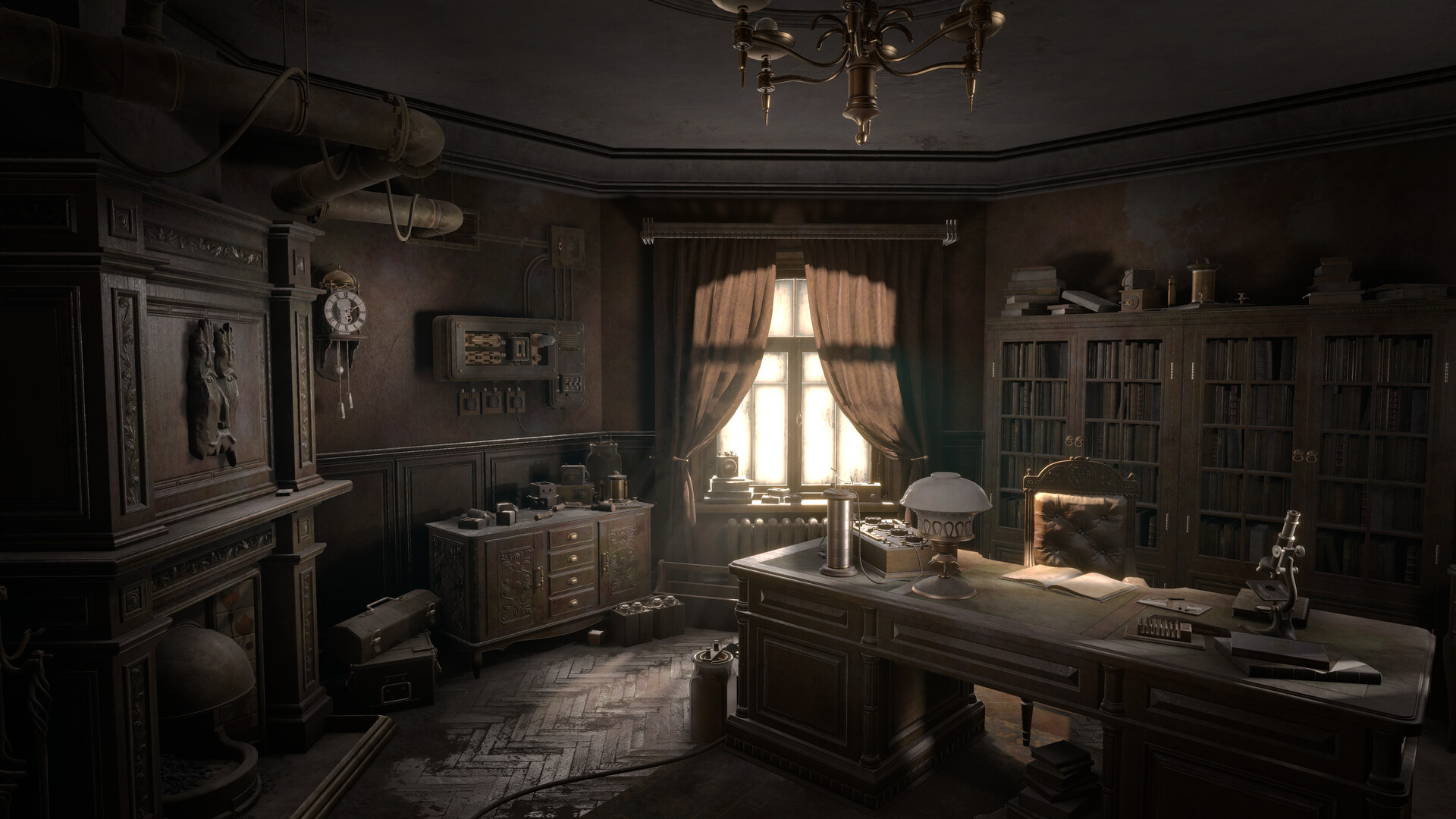
Georgiy: The remake will differ about as much as walking through Rome differs from looking at it in Google Maps. Everything has become alive and tangible.
Most of the puzzles have been reworked: their logic now has to account for a 3D environment, and they need to feel more intuitive and readable. The difficulty in the original game was sometimes unreasonable, and in 2025 that’s simply not the way to do things anymore.
Will there be new content? The original ending left room for interpretation — will that openness remain, or will it be expanded??
Georgiy: Oh yes, there will be a lot of new content.
In the original, each chapter was shorter than the previous one because of tight deadlines and a microscopic budget. We’ve significantly expanded the content of every chapter — even the first. There are new locations, new texts, new puzzles, new plot turns, and new cutscenes. This will add several extra hours of gameplay.
The openness of the ending will be preserved. Moreover, we’ve added an important element that allows us to understand the context deeper. I can’t reveal the details just yet.
Music was a key element of the original Sublustrum and, in many ways, its foundation. Will the soundtrack remain unchanged, or are you planning a rework?
Georgiy: Music has always been and remains the foundation of Sublustrum.
We have two options: carefully remaster the existing music, or try to recreate it in a new quality. Both approaches are valid. I think we’ll ask players on our social channels which direction they prefer.
The game’s voice acting was also memorable for many players, precisely because of its “unpolished” quality, which added atmosphere and life. How did you approach voices and voice acting in the remake?
Georgiy: My approach here remains the same as it was 18 years ago. I don’t want glossy, sterile, perfectly acted voices floating in the dead space of a recording studio.
In the original, the professor was voiced by an actual paleozoology professor, Alexey Kasparovich Kasparov, and I recorded his voice using an old LOMO microphone in a basement filled with the bones of ancient animals. That same recording will be used in the remake. We’re still in touch with Alexey Kasparovich, and he’s enthusiastic about the fact that there are new lines in the game.
For the English voiceover, we held a separate casting process, listening to over 20 actors. The main challenge was the accent. We needed a refined, academic English of the early 20th century, without a strong British accent and without a neutral North American one.
What are your expectations for the project, both creative and commercial?
Georgiy: I want the development process to be an engaging personal experience, not just another psychological quest. I hope players will truly feel the atmosphere, remember it for years, and discuss it with each other like they did back in the 2000s.
Commercially, we’re making a niche project, and that’s fine. Sublustrum has its own devoted audience, and I hope it will grow even wider.
In the past, despite the success of your adventure games, you and your team moved into the free-to-play niche, where you achieved great results. Do you plan to return to premium games seriously and for the long term after the release of the updated Sublustrum?
Georgiy: Yes, absolutely. I believe this is the beginning of a big story for PC and console art games. Creative freedom and financial independence are important, made possible by Brickworks Games’ strong expertise in the free-to-play model and stable finances.
Now it all depends on the players’ reaction: how actively they add the game to their wishlists, discuss it, and play it after release.
I’d like to believe that there’s still a place in the world where aren’t fully enslaved by Reels and TikTok, where players are ready to read, immerse themselves in a story, reflect on its meanings, and find something in games that’s more than just a few minutes of fun.