"I don't want the gloss and sterility of perfect actor voices in the dead space of recording studios," says Georgy Beloglazov from Brickworks Games about working on the new Sublustrum
On November 26, the remake of Sublustrum, a cult Russian quest by the Phantomery Interactive team, was announced. App2Top's editorial team spoke with Georgiy Beloglazov, founder and CEO of Brickworks Games, about the development of the game and what to expect from it.
Georgiy Beloglazov served as the director of Phantomery Interactive, which released Sublustrum in 2008 and "Phobos 1953" in 2010. Afterward, the studio focused on developing games for social networks for a long time. At the end of the 2010s, Georgiy launched a new studio in Cyprus — Brickworks Games, specializing in mobile survival games. Among its key projects are Grim Soul and Cyberika. The new version of Sublustrum, scheduled for release in the fall of 2026, is being developed under the Phantomery Interactive brand, with Brickworks Games listed as the publisher.
Alexander Semenov, App2Top: Why did you decide to return to remaking Sublustrum now?
Georgiy Beloglazov — founder and CEO — Brickworks Games
Georgiy Beloglazov, Phantomery Interactive and Brickworks Games: I have often thought about Sublustrum all these years. This game was the starting point of my journey in game development and greatly influenced my understanding of the impression and effect games can produce as an artistic statement or, if you will, an art object. For a long time, I didn't have the time or energy to return to the project, although the rights were purchased long ago.
Now, several factors have coincided.
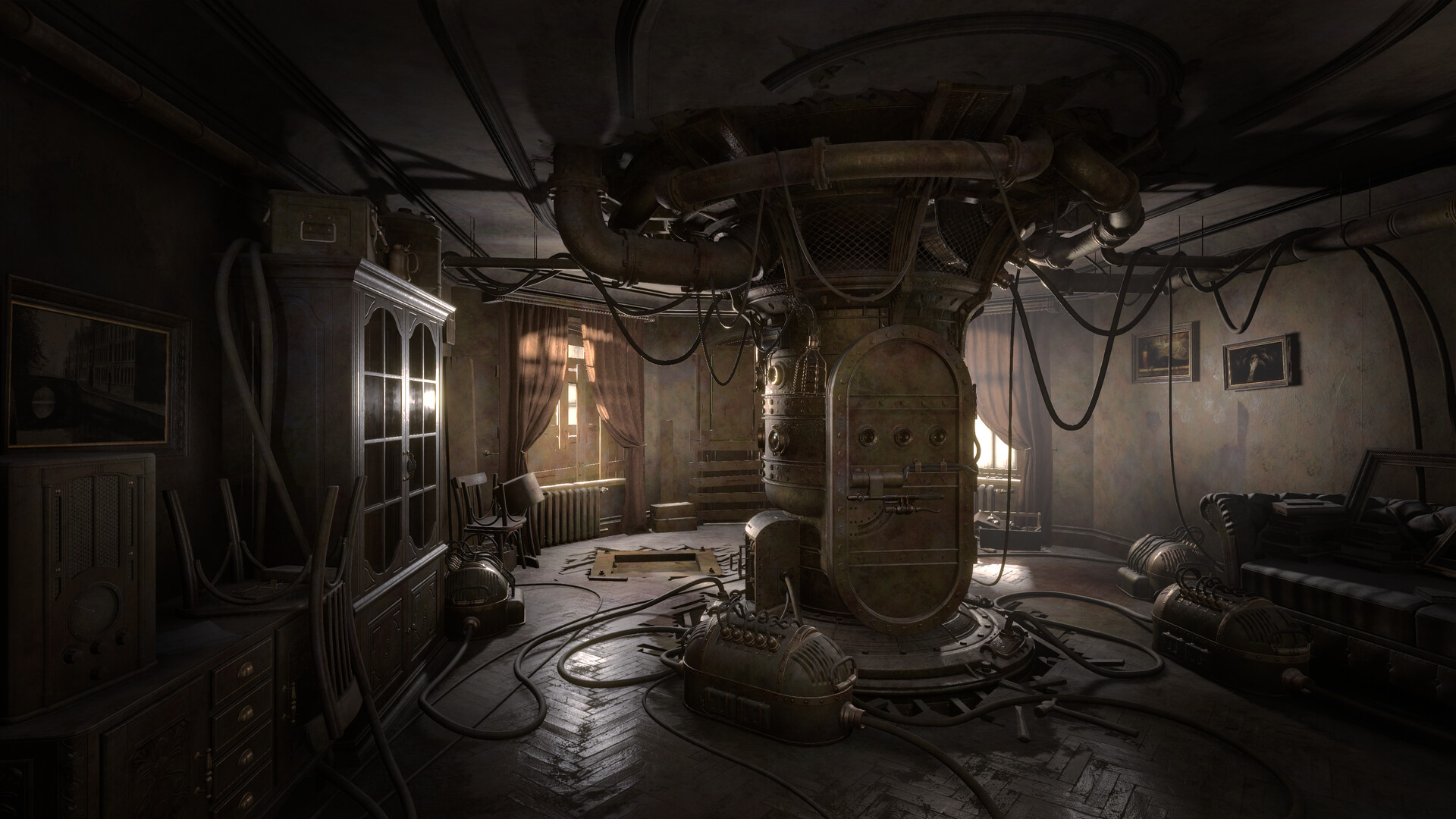
Technologically, it has become possible to recreate in full 3D the atmosphere and level of detail we envisioned back in 2008.
I managed to assemble part of the key people from the original team. This was an unexpected gift of fate for me.
Several personal events over the past year have led me to rethink my path and return to things I'd like to complete.
How did you initially envision the new version of the game? Is it just a transfer to modern technologies or a more profound rethinking of the original?
Georgiy: It is certainly not just a transfer. It is a conscious attempt to express all the ideas of Sublustrum as they sounded in our minds back then, but were technically unattainable.
It's important for us not to lose the essence of the original, but at the same time, to build a cohesive experience that works on feelings and emotions, not just nostalgia. For me, it has long been more than just a remake; it's a rethinking, a kind of "second life" for the game.
The original game was developed by just four people. Who were you able to bring back to the team? How challenging was it to gather the team after so many years, and how far had everyone scattered?
Georgiy: In 2007, each of us was taking on multiple roles. Now we've managed to bring back three key people from the old team. Some are once again handling 3D, some are focused on art, and others help with marketing. People have lived in different countries, from Germany to Vietnam, changed professions, and gone through different life stages.
Surprisingly, it all came together very naturally and synchronously. For me, it's another turn of the spiral, so to speak. In 2007, we formed just as spontaneously and immediately understood that we would work well together.
It's often said nowadays that development has become easier thanks to new tools. Is that true?
Georgiy: Development has become faster, but not necessarily easier. The principle of "easy to learn, hard to master" applies more than ever today.
AI helps small studios a lot, but we consciously almost don't use it in Sublustrum. The art is created in the old-fashioned way, by hand (otherwise, what's the point). AI only helps in very specific routine tasks, like upscaling low-resolution old photos, which wouldn't make sense to restore manually.
It's important to understand that the quality bar has been significantly raised over the years. Many stunning games have been released: The Medium, Soma, Observer, Dear Esther, and others. Now we have to try three times harder to impress players who have already experienced all these wonderful games.
Moreover, transitioning to full 3D not only requires detailed environments but also introduces new challenges with puzzles and logic that simply didn't exist before.
I asked the previous question for a reason. The original was created in two years. Am I correct in understanding that the remake will take about the same time?
Georgiy: I think it will take a little longer because development is structured differently now.
In the original, we didn't have the space to experiment. All the time was spent trying to achieve what we had planned and stay on schedule.
Now we spend significantly more time on prototyping, searching for visual language, designing puzzles, and testing. This lengthens the process but improves the game's quality.
What specific reworks does the remake require?
Georgiy: In short, almost everything.
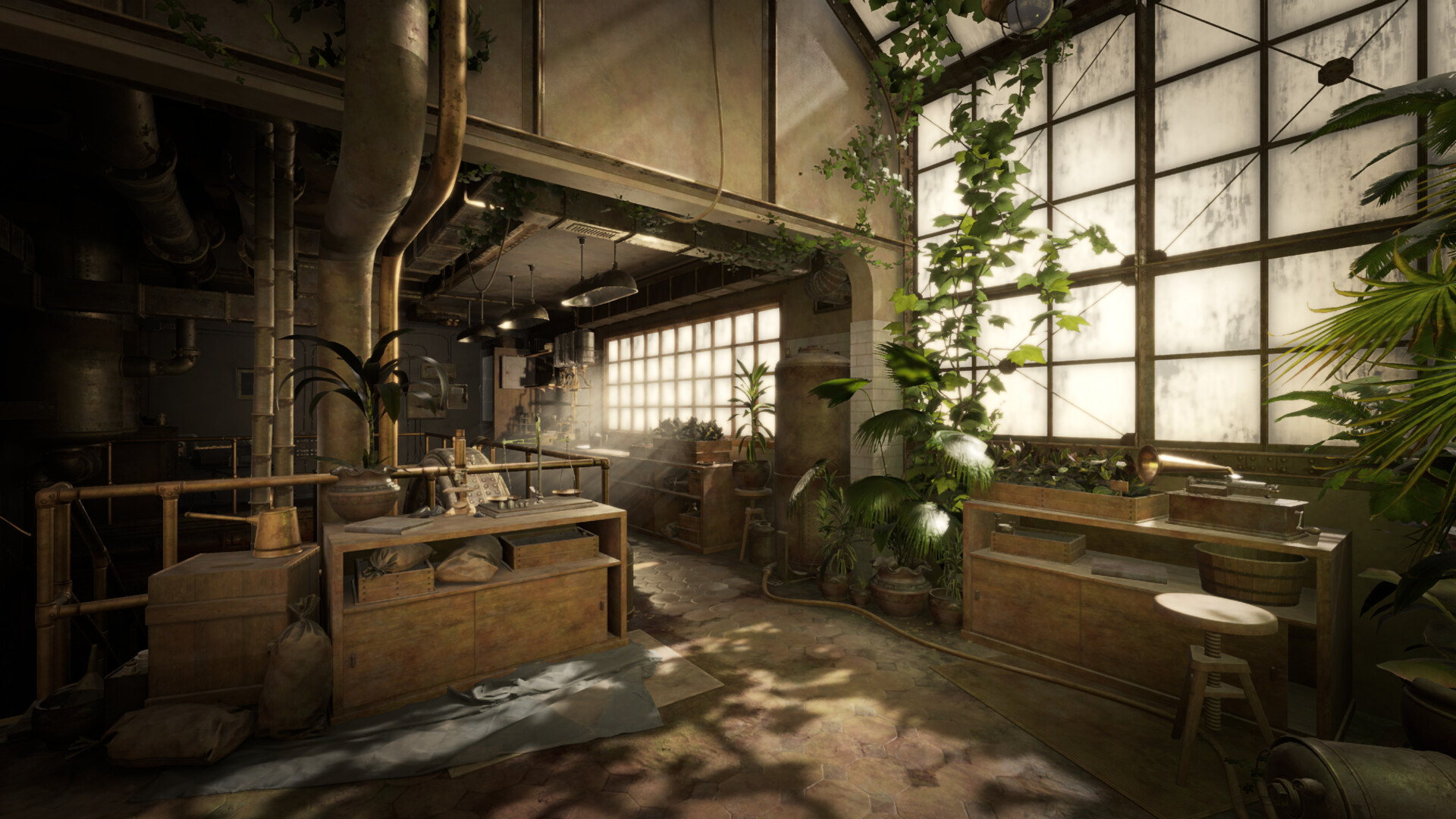
- All graphics are being recreated from scratch.
- The majority of puzzles have been reworked or completely rethought.
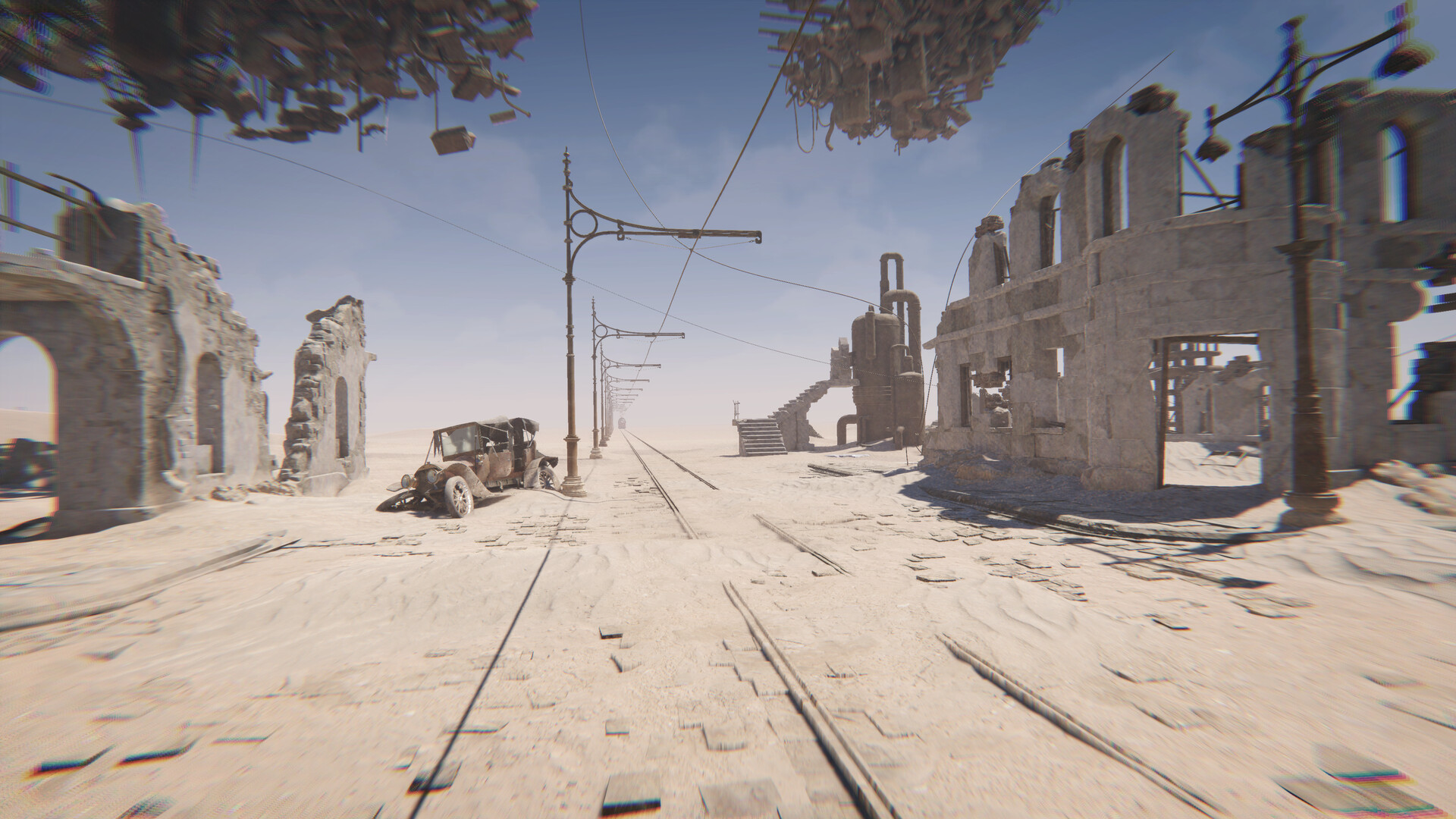
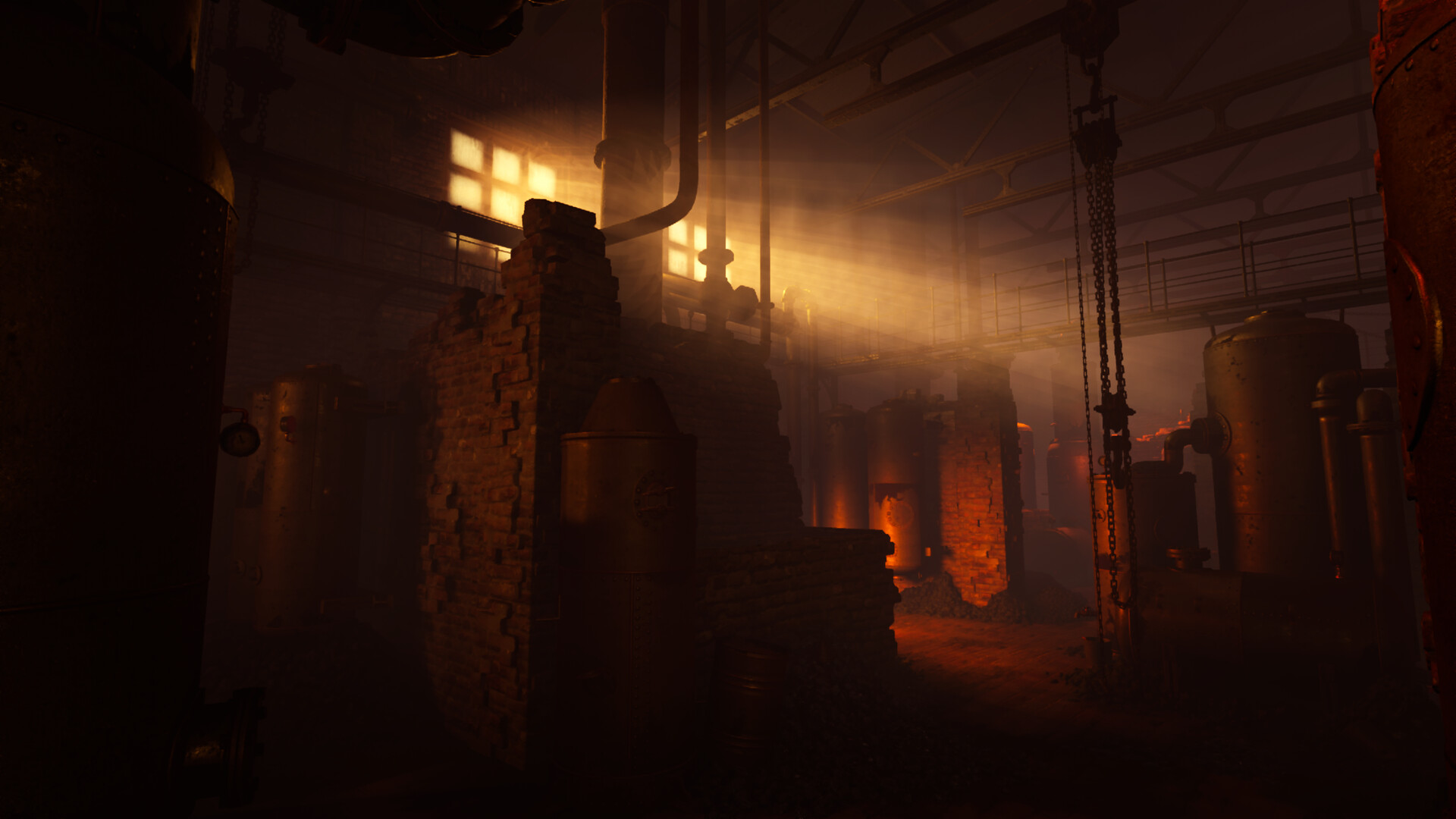
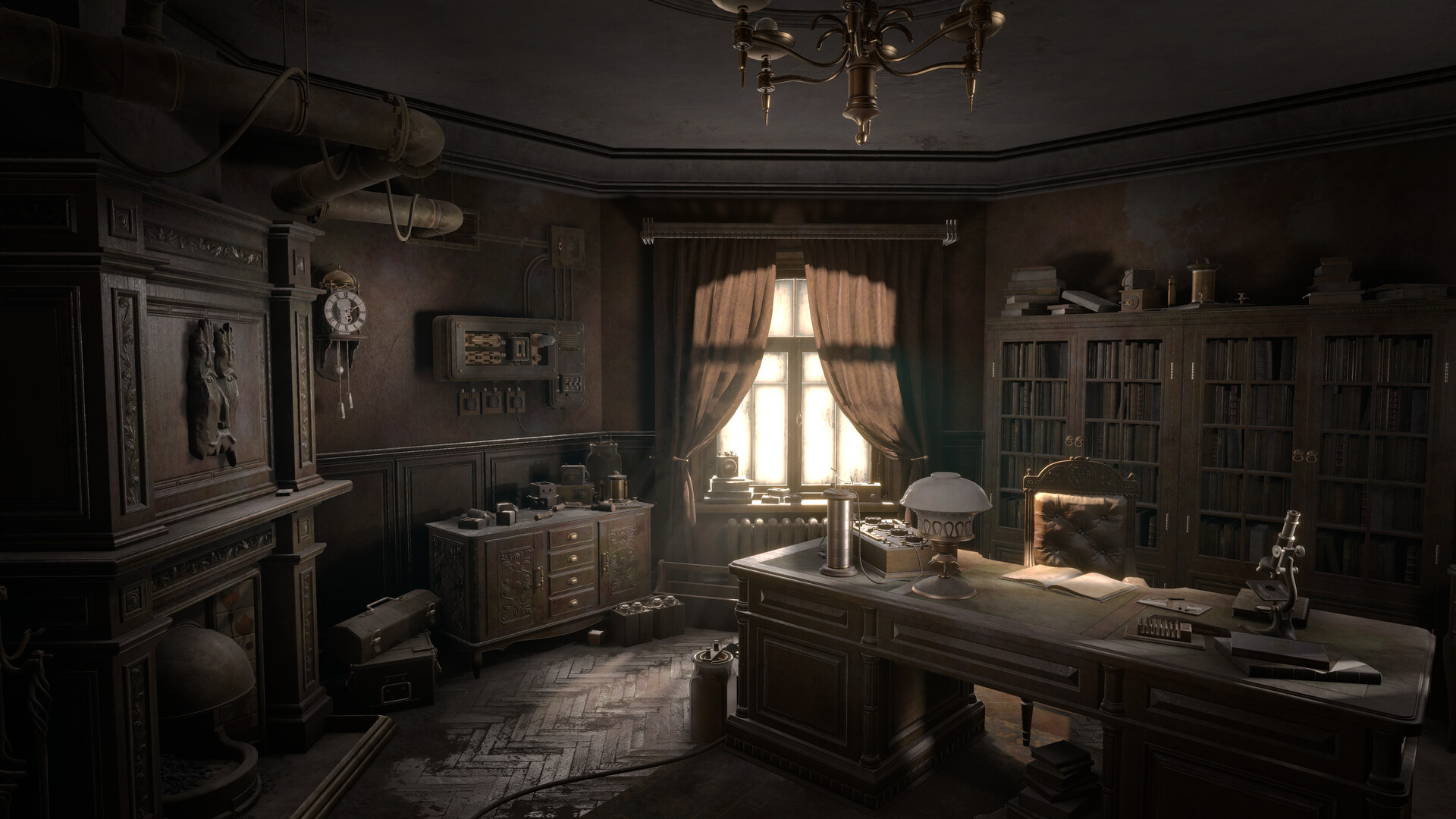
- Locations have been translated into full-fledged 3D with the possibility of free movement.
- Visual techniques have been rethought, including styling under analog film and old lenses.
- Narrative has become more connected and complete. Several story branches we just didn't have time to implement back then.
- All interfaces have been completely redone.
- The game will feature at least one alternative ending.
How many people are currently working on the project?
Georgiy: About 20. It's still a small team, but no longer a "home office" operation like in 2008.
It's important for us to maintain a compact format because Sublustrum benefits from this indie approach. Additionally, I engage freelancers minimally since it takes a considerable amount of time to connect to the project's egregore.
The development team is fully staffed, but we are now looking for people for marketing and SMM.
Were you able to keep any of the old resources—models, textures, materials—or must everything be created from scratch?
Georgiy: As I mentioned, almost all assets are being created from scratch. The old assets (both 2D and 3D) are morally outdated and technologically incompatible, but we use them as references and samples, trying to replicate the original where it was already good enough.
We managed to preserve almost the entire archive from 2008, and I must admit, it's greatly aiding our work. Interestingly, this was possible due to a coincidence: the archive was stored on a forgotten server that no one accessed for many years.
What unexpected challenges has the team faced during the remake process?
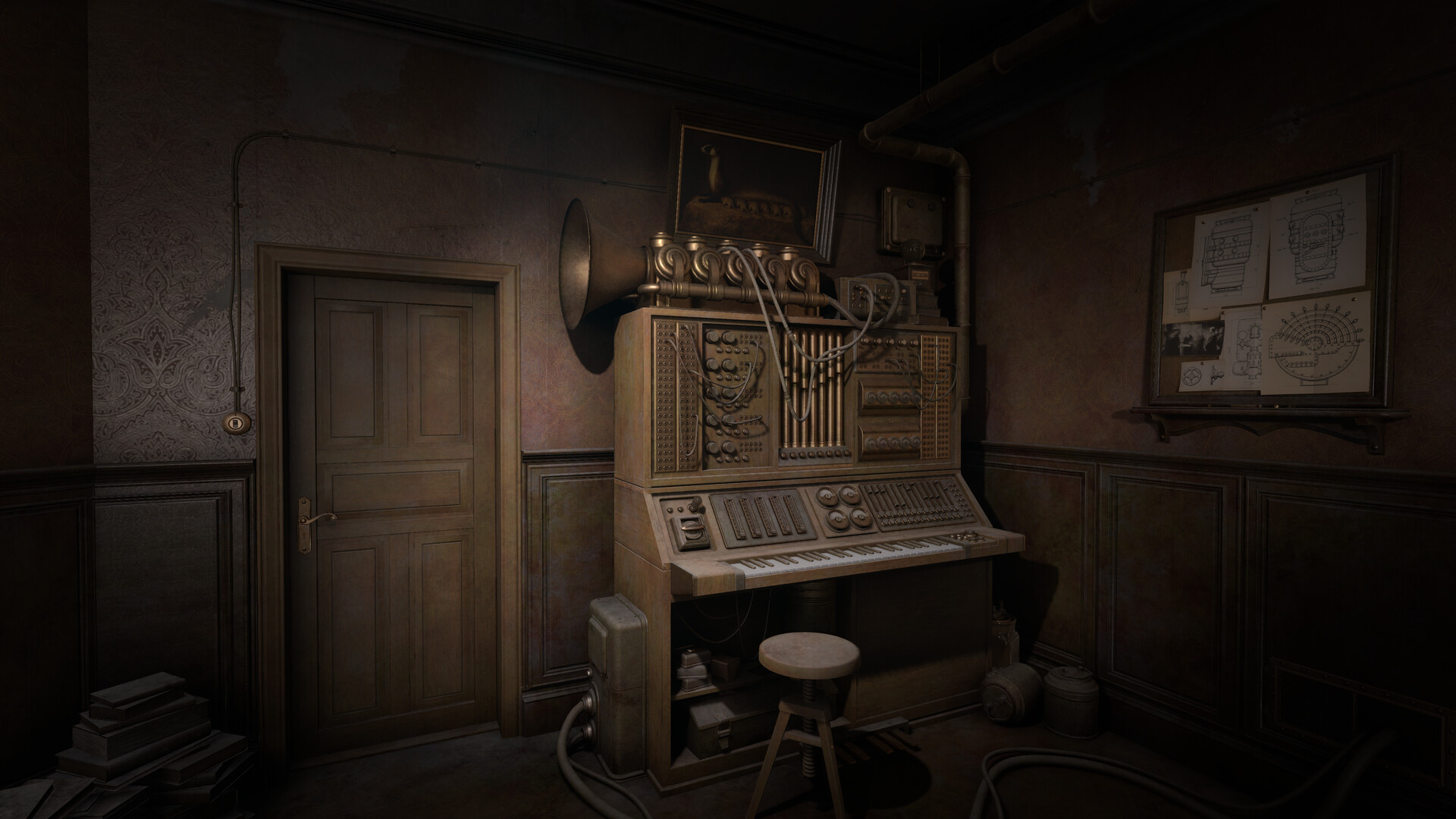
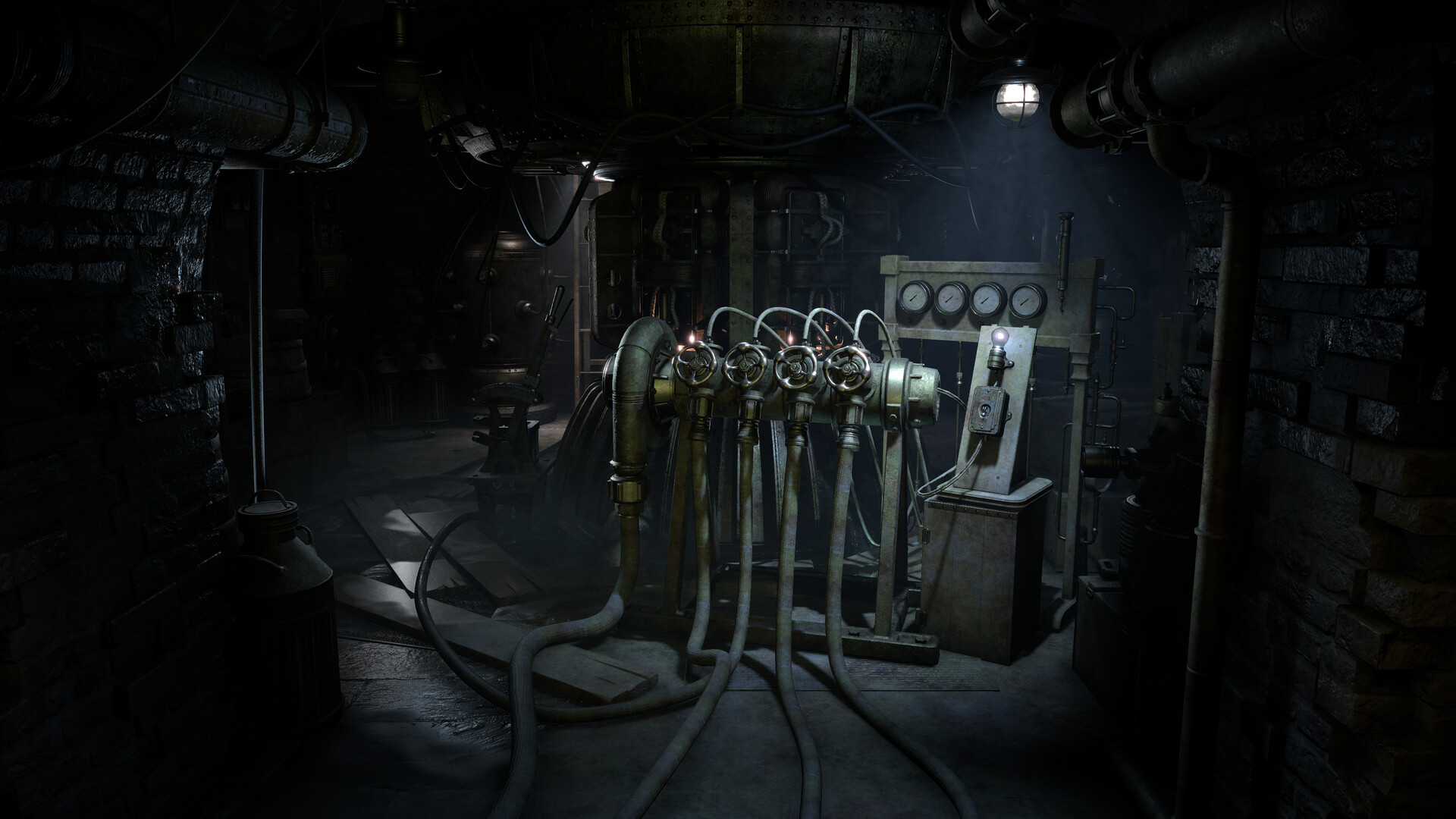
Georgiy: The need to redo all the 3D art. I hoped we could take the old assets from 3D Max, but that proved impossible. Additionally, we are still working on recreating the original styling: that rusty and worn look, instantly recognizable from Sublustrum, which was so easily created in 2D, but replicating it for complex three-dimensional scenes has proven far from simple.
Another unexpected difficulty is with overcoming the "game literacy" of our new employees, where they try to introduce fresher game experiences. For example, we have our own "Alice in Wonderland" syndrome, where intricately hovering furniture pieces appear in locations, styled like games from Remedy, Expedition 33, or Layers of Fear. It's necessary to remove all this because it's not a trope from the Sublustrum universe, and it creates an impression of derivativeness.
How significantly will the new version differ from the original? Are changes in mechanics or approaches, like the complexity of puzzles, planned?
Georgiy: The remake will differ in the way a walk through Rome differs from its panoramas on Google Maps. Everything has become lively and tangible.
We've reworked most of the puzzles: logic should take into account the 3D environment; they should be more intuitive and understandable. The original game's complexity was sometimes unreasonable, and in 2025, that's not needed anymore.
Will there be new content? The original's ending left some room for interpretation—will this openness be maintained or expanded?
Georgiy: Oh yes, there will be plenty of new content.
In the original, each subsequent chapter of the game was shorter than the previous one, mostly due to the tight schedule and microscopic budget. We've significantly increased the content of each chapter, even the first one. New locations, texts, puzzles, plot twists, and cutscenes have been added. This will offer several additional hours of gameplay.
The openness of the ending will be preserved. Moreover, we've added an important element that allows for a deeper understanding of the context. I can't reveal the details just yet.
Music was a key element of the original Sublustrum and served as its foundation. Will the soundtrack remain unchanged, or do you plan to rework it?
Georgiy: Music was and remains the foundation of Sublustrum.
We have two paths: carefully remaster the music or try to rewrite it with a new quality. Both options are good. I think we will ask players in our social media about which approach they'd prefer.
The game's voice acting was also memorable to many—precisely for its "unprofessionalism," which added atmosphere and liveliness. How have you decided to handle voices and dubbing in the remake?
Georgiy: My approach remains the same as it was 18 years ago. I don't want the gloss and sterility of perfect actor voices in the dead space of recording studios.
In the original, the professor was voiced by a real professor of paleozoology, Alexey Kasparovich Kasparov, and I recorded his voice on an old LOMO microphone in a basement filled with the bones of relict animals. This same voice acting will be used in the remake. We're in contact with Alexey Kasparovich, and he's enthusiastic about the new texts that have been added to the game.
We held a separate casting for the English voice acting. We listened to over 20 different actors. The main challenge was the accent. We needed an intelligent academic English from the early 20th century without a heavy British and without a neutral North American accent.
What are your expectations for the project — both creatively and commercially?
Georgiy: I want the development to be experienced as an interesting personal journey, not just another psychological quest. That people feel the atmosphere, remember it years later, and discuss it among themselves as they did back in the 2000s.
Commercially, we're making a niche project. And that's okay. Sublustrum has its audience, very dedicated, and I hope it will grow.
Once, despite the success of quests, you and your team switched to the free-to-play niche, achieving significant results. Are there plans to return to premium games seriously and for the long haul after the release of the updated Sublustrum?
Georgiy: Yes, of course. I believe this is the start of a long story of PC and console art games. Creative freedom and financial independence are important for us. And that's become possible because my studio, Brickworks Games, has strong expertise in the free-to-play model and a stable financial situation.
Now it all depends on the players' reactions. On how actively they add the game to their wishlists, discuss it, and play after the release.
I hope that somewhere in the world, there is still an oasis where people aren't completely conquered by the virus of reels and TikToks, where players are ready to read, dive into the story, ponder meanings, and find something more in games than just a few minutes of fun.