Media: Russian authorities return to the idea of distribution licenses for video games
Three years ago, a proposal was made in Russia to require companies wishing to distribute their games in the country to first obtain distribution licenses—a system that already exists for films. The matter has been repeatedly raised and then removed from the agenda, but it seems that it has not yet been fully dismissed.
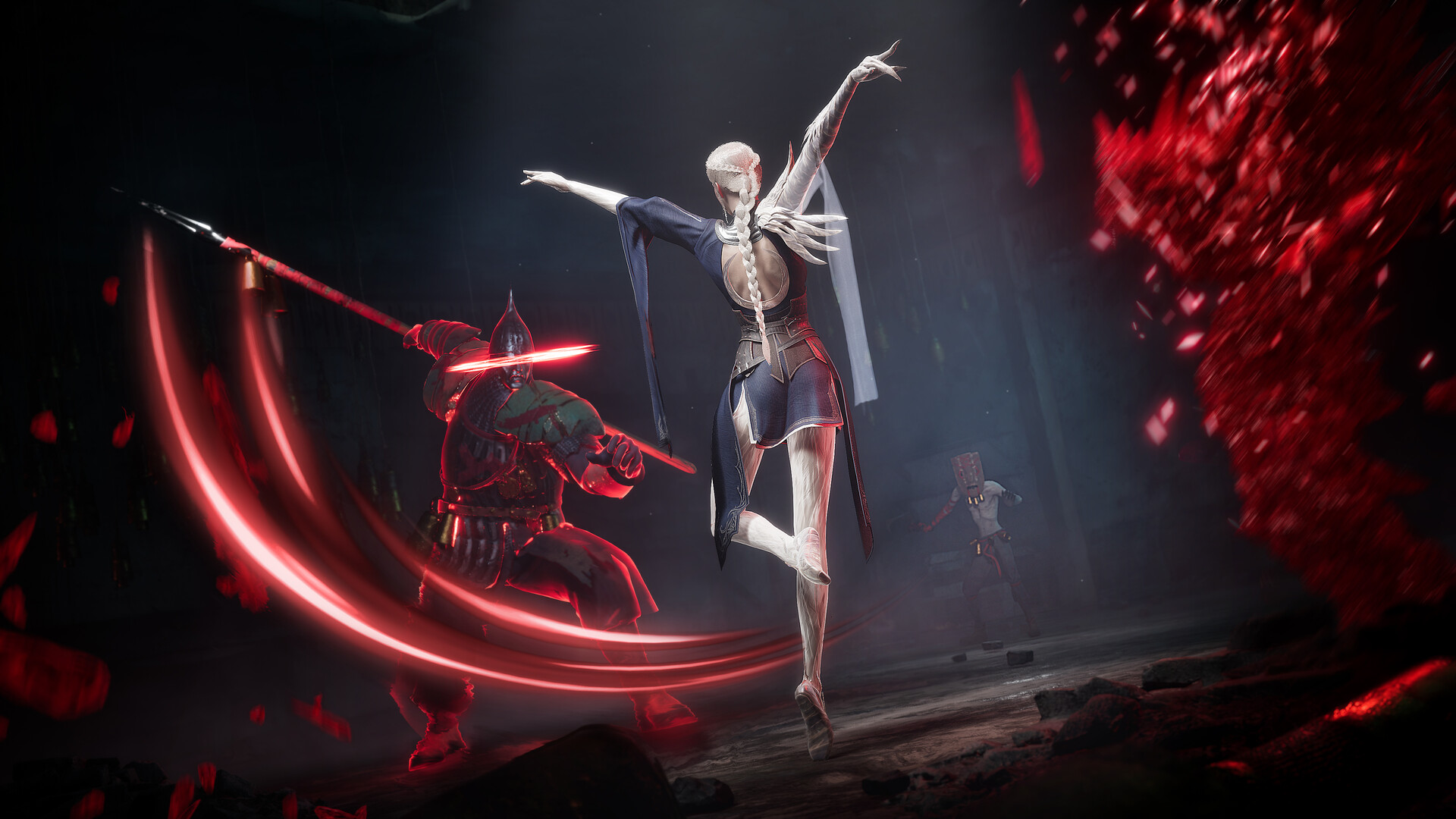
TSAREVNA. Age of Tales
According to Kommersant, the Russian government revisited the idea of distribution licenses during another stage of the prolonged consideration of the draft law "On the Activity of Developing and Distributing Video Games in the Russian Federation." During discussions, officials reportedly called the idea "reasonable," but how strongly they lean towards it remains unclear.
The discussions were not limited to just distribution licenses. Sources from the newspaper claim that authorities also talked about the mandatory registration of developers and publishers in the Registry of Organizers of Information Dissemination (ORI) on the internet. Those included in it will be required to store data on gamers and their activities in Russia for six months. However, in recent years, several gaming companies have already been included in this registry and even fined for non-compliance.
The head of the Organization for the Development of the Video Game Industry, Vasily Ovchinnikov, criticized both proposals in a comment to "Kommersant," pointing out potential negative consequences.
"The mechanism of distribution licenses for video games is unsuitable. A game is a service that changes daily: seasons, expansions, content created by players. A license issued on the day of release describes a different game a month later. Furthermore, the examination of every version of every game means queues, time frames, and costs that will affect our own developers, not those intended to be restricted," stated Ovchinnikov.
It is worth noting that the draft law on video games was submitted to the State Duma back in December 2024. The document is still in its first reading, but rumors suggest that by January, progress might be made. It is expected that during the review, some controversial points, such as the need for user authentication in games, will be removed, and other aspects will be revised. Whether this will happen will become known soon.