How We Took Tiny Eden from 4,800 Wishlists to $700,000 in Its First Two Weeks: A Digital Vortex Publisher Case Study
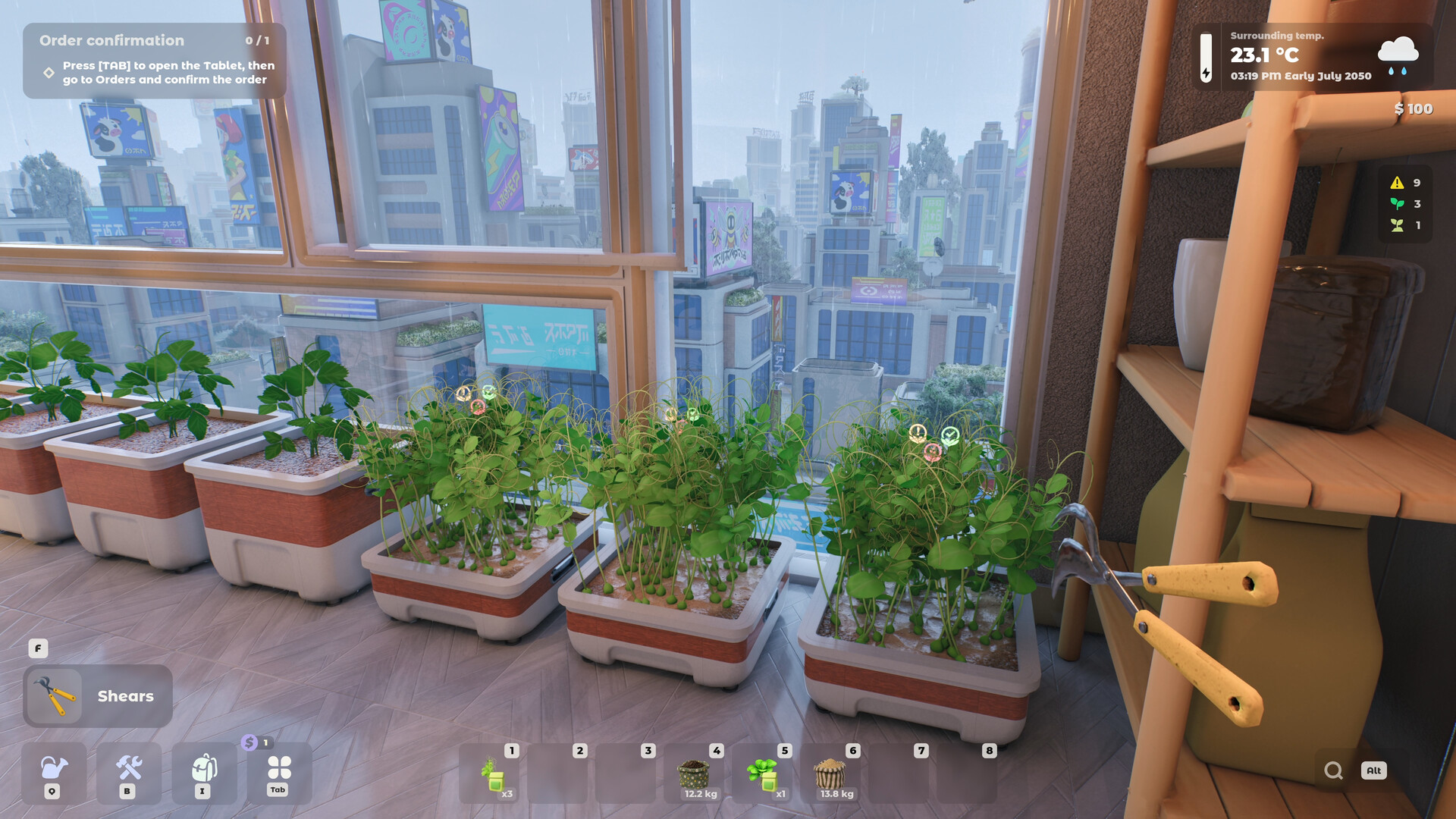
On September 7, Tiny Eden was released on Steam—a cozy simulator for growing plants “on the windowsill,” quite literally. Irina Borodina, the CMO of Digital Vortex Entertainment, shared how the project was launched in her column for us.

Irina Borodina
Tiny Eden is developed by a small Polish studio Bajka Games. At the time of writing, the game had 340 thousand wishlists and over $700,000 in revenue just two weeks after launch. However, this story started with much smaller numbers.
First, we simply believed in the game
When we first discovered Tiny Eden, it was the idea itself that caught our attention.
And here, with Alexander’s permission, we want to share something that really stood out to us: Tiny Eden is a game about something he genuinely loves doing in real life. Growing plants, taking care of them, and watching them grow. At some point, this became one of the reasons we believed in the project.
When a developer makes a game about something they genuinely enjoy themselves, you can feel it. And Tiny Eden had that quality.
So in April 2026, we signed the project and started working closely with the team. At the time, Tiny Eden had just 4,800 wishlists. And it quickly became clear that there was a lot of work ahead.
We missed Steam Next Fest. And that wasn’t the only problem
The game’s Steam page had been created back in December 2024. After that, the studio entered Steam Next Fest with a demo on its own.
It didn’t bring any significant results.
And this is one of the reasons why we don’t recommend joining Steam Next Fest simply because “you have to be there.”
The festival can still be a great marketing tool. But there are so many games competing for attention now that simply participating isn’t enough. You need to prepare your demo, audience, creators, press and communications in advance — and understand what result you actually want to get from the event.
In Tiny Eden’s case, there was no way to redo Next Fest. So we decided to build the strategy around other opportunities.
And at the same time, we started working quite closely on the game itself.
First things first: the product
Throughout the campaign, we worked with the studio not only on marketing, but on the product itself.
We ran playtests, collected feedback, discussed changes and kept coming back to what could be improved. There were plenty of disagreements. Plenty of revisions. Plenty of situations where we told the developer, “This needs to be changed,” and he would say more or less the same thing to us.
But that’s how the product we eventually released gradually came together. We worked closely with the producer, tested the game with players and used that feedback during development.
And at some point, it became clear: yes, this is genuinely a great game now.
Then we had to figure out how to sell it
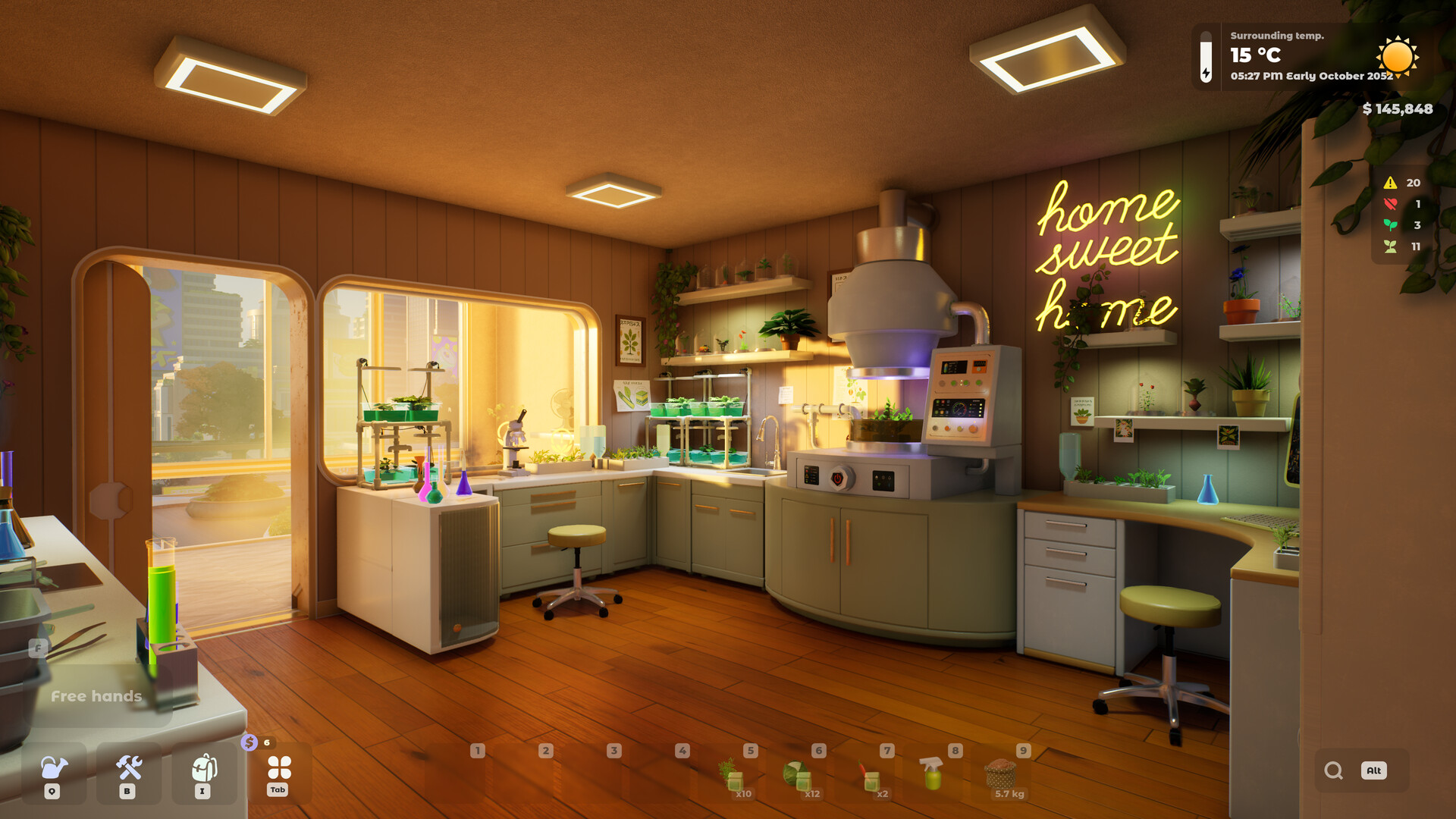
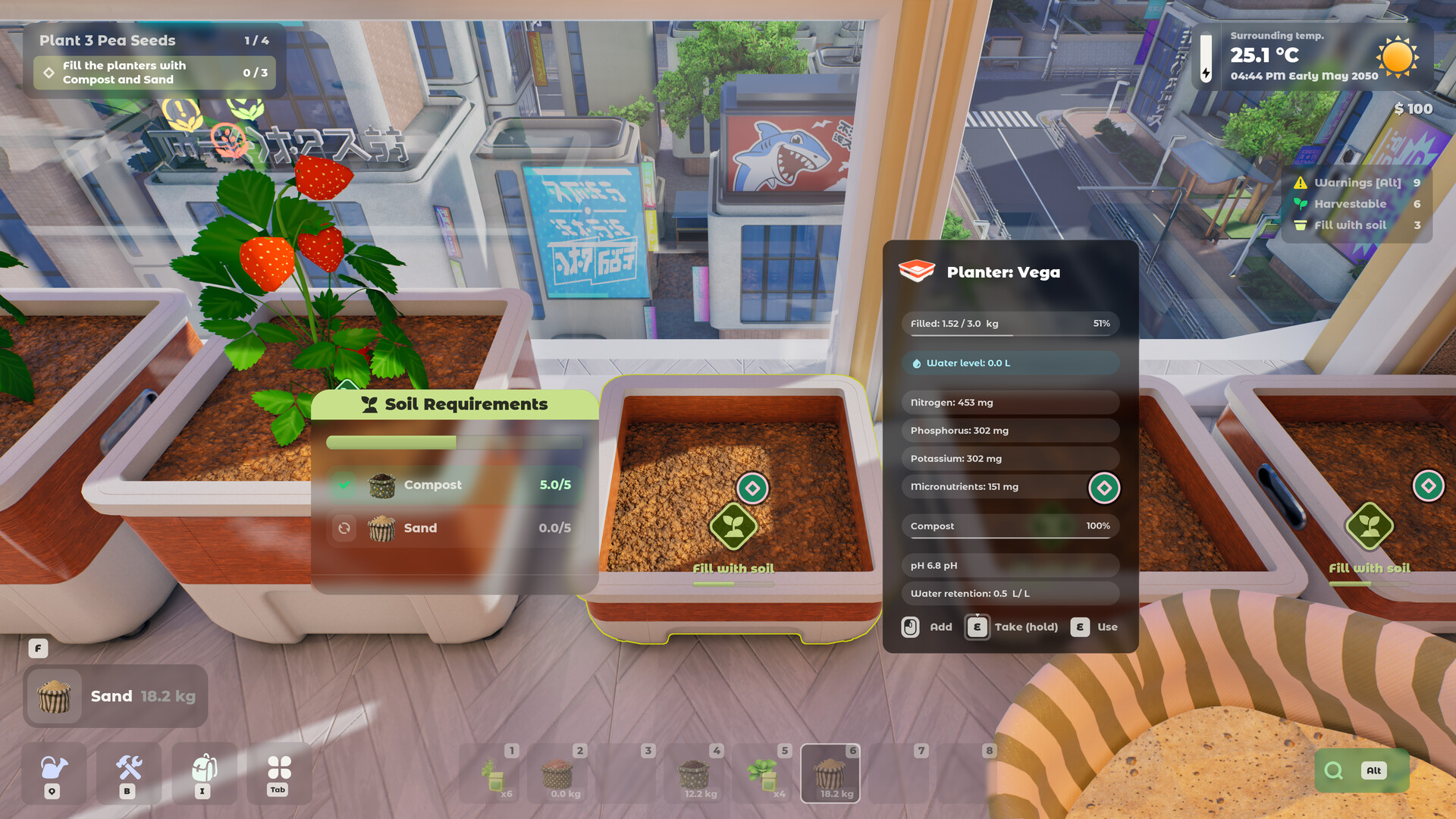
At first glance, Tiny Eden was a fairly straightforward cozy game about plants. But that wasn’t enough. We needed to understand what exactly would catch the audience’s attention and how to explain in just a few seconds why someone should care about the game.
That’s also a big part of what a publisher does. We revisited the positioning several times, tested different approaches and gradually arrived at a clear combination: cozy, plants, a cat, and the feeling of having a small personal space that you enjoy taking care of.
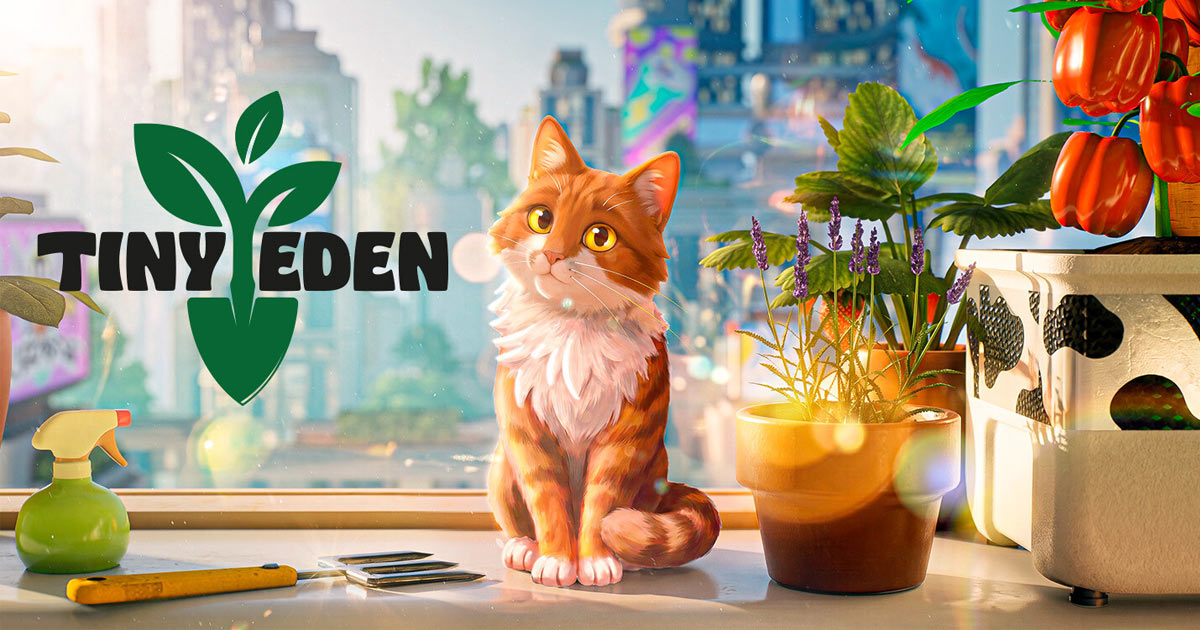
The capsule and the name
When we signed Tiny Eden, the game was called City Garden Harvest.
The name described the concept reasonably well, but we wanted something that would be more immediately understandable to the audience we were trying to reach. That’s how Tiny Eden came about.
The capsule followed a similar process. We didn’t get to the right version on the first try. We revisited the visual positioning several times and eventually found something that communicated the essence of the game much better.
And the cat helped a lot.

The capsule communicates a very simple combination almost instantly: something cute, plants and a cat. For a cozy audience, that’s a pretty clear signal.
We also understood that if we managed to generate a significant amount of additional traffic, we needed to be ready for it. And that’s where Steam Calendar came in.
We decided to see how far we could push Steam Calendar
This was our first project launching after Steam introduced the Personal Calendar. We’d already seen other cases and knew that the Calendar could generate a very significant number of wishlists.
But looking at someone else’s numbers is one thing. Understanding what exactly you need to do to make the tool work for your own project is another.
And we quickly learned the most important thing: the Calendar doesn’t do anything on its own.
It amplifies a project that is already prepared for a large amount of traffic.
Wishlists are the foundation
Projects in the Calendar are ranked by the number of wishlists.
So it doesn’t replace pre-release marketing — it amplifies what you’ve managed to build beforehand. Tiny Eden wasn’t in a particularly strong position here when we joined the project.
When we came in, it had just 4,800 wishlists. We essentially had to build the base from scratch. Over the following months, we worked systematically on the announcement, demo, gaming events, creators, positioning and the product itself.
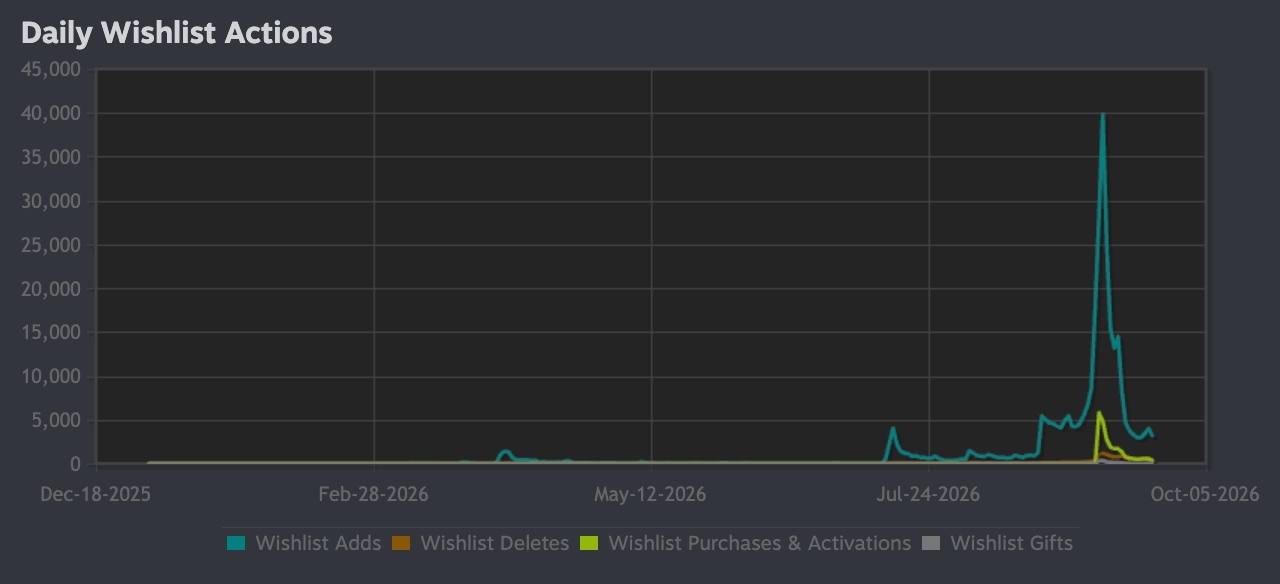
- April 2026 — Announced our partnership and the game’s new name +10,200
- July 2026 — Released the demo and participated in Six One Demo Days +20,200
- August 2026 — Announced the release date, participated in Cat Awareness Feline, and started receiving Calendar traffic +59,500
Then Steam itself started doing the heavy lifting.
Calendar traffic kicked in exactly two weeks before launch, on August 23. And there’s an important detail here: the most interesting part wasn’t happening on the dedicated Personal Calendar page, but on Steam’s homepage.
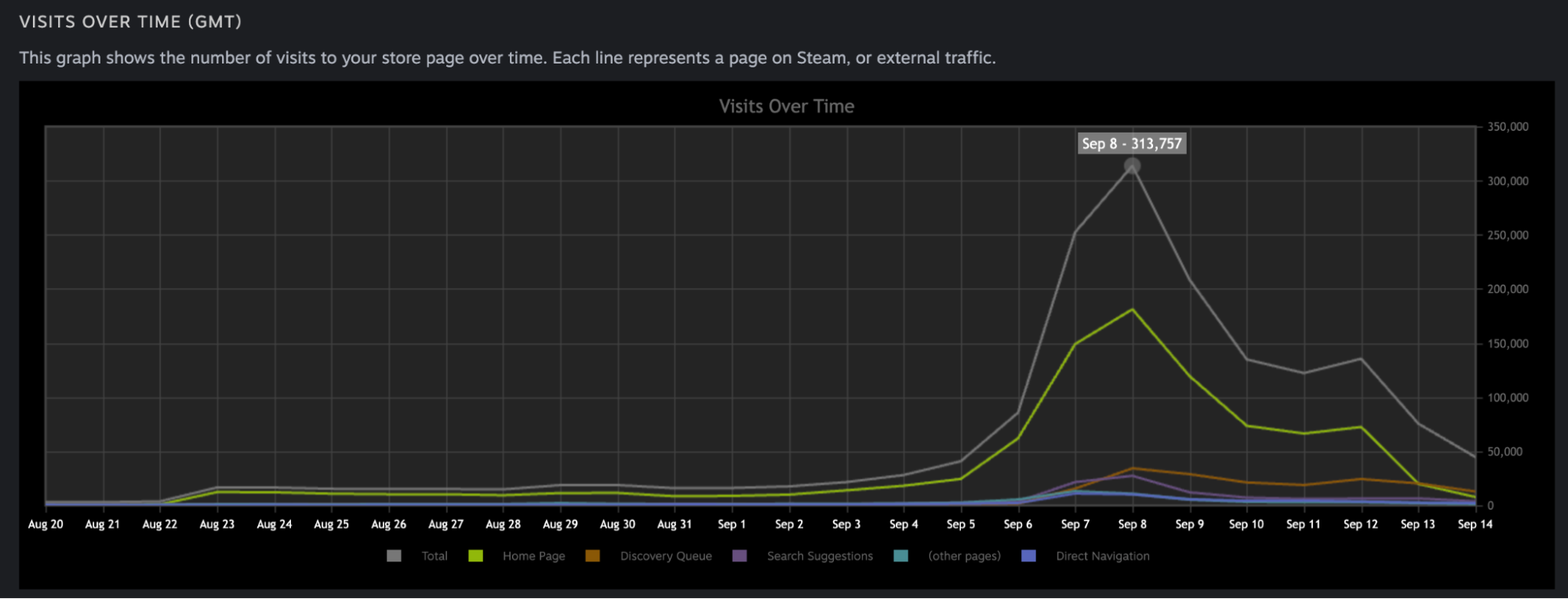
During this period, the Personal Calendar brought us around 20,000 visits. The Steam homepage brought around 1,000,000.
That’s roughly a 50x difference.
Over two weeks, the Calendar brought the project around 90,000 new wishlists, with another roughly 30,000 added on launch day. Tiny Eden entered the Calendar with 60,000 wishlists.
In other words, the Calendar effectively doubled our wishlist base before launch.
First-week sales reached 29% of the number of wishlists at launch. One factor behind this result was the fresh audience the project acquired through the Calendar.
But to get there, we also had to choose the right release date.
The release date matters more than you might think
There are only two slots for games in the Calendar section on Steam’s homepage, and the ranking is fairly straightforward: it’s based on the number of wishlists.
So simply choosing a convenient date for the team isn’t enough. If several major games are launching on the same day, even a strong wishlist base might not be enough to secure the position you need.
We looked at the competitive landscape across different dates and searched for a window where our wishlist base would allow us to secure the highest possible position.
In the end, Tiny Eden took the top spot in the Calendar.
From the outside, it looks simple: the game has a release date.
In practice, there can be quite a lot of work with numbers and the competitive landscape behind that date.
The Calendar gives you traffic. But you still need to make users click
Getting into the Calendar is only half the job.
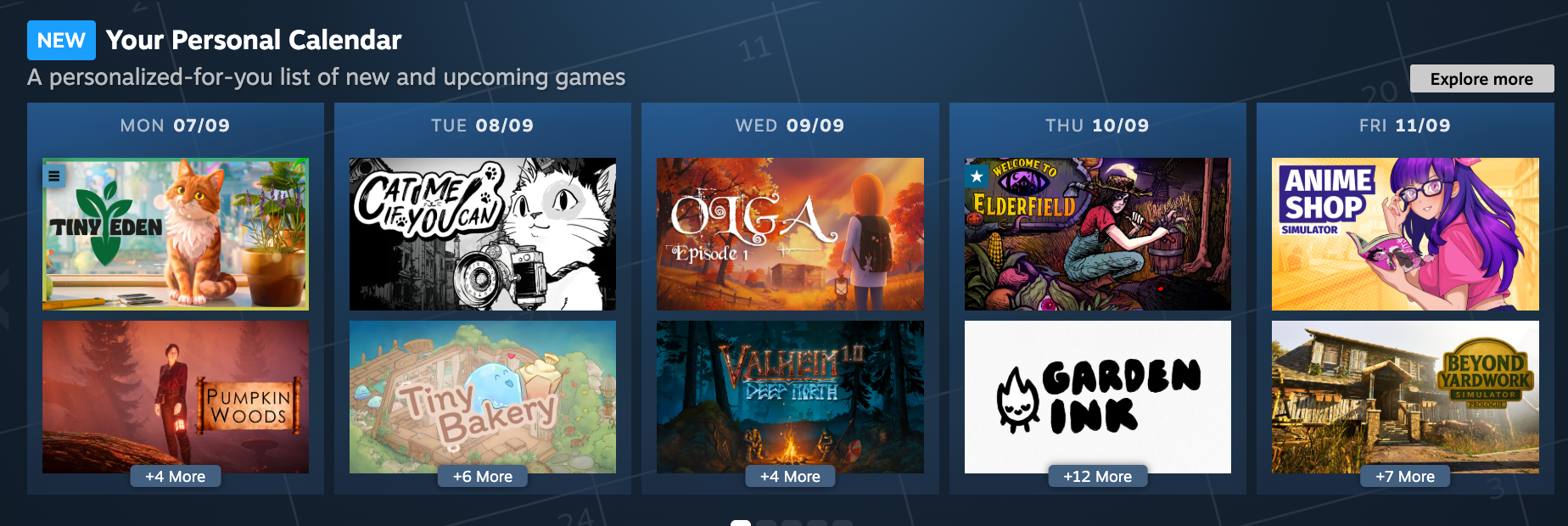
The user sees the capsule first. There is no description, no screenshots and no additional context. So the capsule has to explain what kind of game this is within a few seconds.
And this brings us back to all the decisions we made earlier: the name, the visuals and the positioning.
Tags work in a similar way.
The Calendar is personalized, so Steam selects games based on a user’s library and the tags of projects they already like. There isn’t much point in getting massive exposure if Steam is showing your game to the wrong audience.
We collected the games most similar to Tiny Eden, looked at their tags and checked which projects appeared in our “Similar Games” section.
This gave us another way to check how well Steam understood Tiny Eden’s audience while the game was still unreleased and hadn’t built an audience of its own.
What ultimately worked
If we boil the whole case down to a few takeaways:
- First, you need to believe in the game. What attracted us to Tiny Eden was the idea itself — and the fact that the developer was genuinely making a game about something he loves.
- Publishing isn’t just marketing. A significant part of the work happens together with the developer and producer on the game itself.
- Positioning isn’t always obvious from the start. Sometimes it takes several iterations to understand who the game is for and what exactly will make that person stop and pay attention.
- Wishlists are still the foundation. The Calendar doesn’t create an audience out of thin air — it amplifies the one you’ve already built.
- The release date matters a lot. The competitive landscape can directly affect the result.
- The capsule, name and tags aren’t cosmetic. They determine whether the right player will stop at your game and what they’ll understand about it within the first few seconds.
But perhaps the biggest takeaway for us isn’t actually about the Calendar.
Good marketing starts with a good game and an understanding of who you’re making it for.
You need to believe in the idea, not be afraid to disagree with the developer, change things that aren’t working, understand your audience and prepare the product for the marketing you’re planning to do.
Only then should you look for the opportunities Steam provides — and get as much out of them as possible.
In Tiny Eden’s case, that’s exactly what worked: a small game about growing plants on a windowsill became a project with 340,000 wishlists and more than $700,000 in revenue during its first two weeks.