Major Legal Conflicts in the Gaming Industry (July — December 2025)
The law firm Semenov&Pevzner prepared a global report on legal conflicts in the gaming industry for the second half of 2025. In those six months, there were patent news from Nintendo, a series of conflicts in AI, as well as developments in the Apple vs. Epic Games dispute.

The review was prepared by Irina Salikhova, senior lawyer at Semenov&Pevzner, Yulia Lazareva, lawyer at Semenov&Pevzner, and Daria Pertseva, junior lawyer at Semenov&Pevzner.

Irina Salikhova, Yulia Lazareva, and Daria Pertseva
The review is divided into eight parts:
- copyright;
- trademarks;
- patent rights;
- gambling;
- artificial intelligence;
- personal data;
- antitrust violations;
- others.
The previous review (January — June 2025) can be found here.
Copyright
1. Sony sued Tencent for allegedly copying the Horizon franchise
In the previous review, we mentioned that Tencent won a lawsuit regarding copyright infringement on Peacekeeper Elite. This time, Tencent became the defendant in a case of "copying" the Horizon game series franchise.
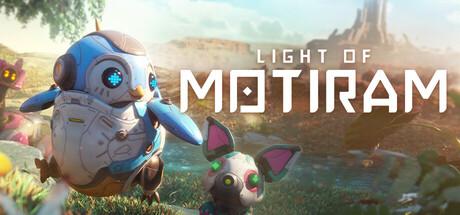
According to Reuters, Tencent secretly began developing a game titled Light of Motiram around 2023. Sony claims that the game copies key elements from Horizon: a red-haired heroine, tribal communities, and a post-apocalyptic world inhabited by giant robotic creatures. The lawsuit includes a slide from an internal Tencent presentation where developers showcase their accomplishments on PlayStation Network, positioning themselves as "devoted fans" of the franchise.
In March 2024, at a gaming conference in San Francisco, Tencent representatives proposed a joint game development within the Horizon universe to Sony. Sony rejected the offer and considered the matter closed. Nevertheless, Tencent continued working on Light of Motiram.
The company also notes that after releasing a trailer for Light of Motiram, various players and gaming media independently pointed out the "striking resemblance" to the Horizon series, naming the new release an obvious knockoff. In Tencent's marketing materials, according to Sony, an impression of association with the Horizon franchise is intentionally created, which might mislead consumers.
Pre-litigation settlement attempts failed: during negotiations, Tencent again tried to acquire a license to use Horizon's intellectual property. Sony "clearly and unequivocally" refused, calling Horizon one of their most valuable projects, and demanded a jury trial.
In response, in September 2025, Tencent accused Sony of attempting to monopolize genre conventions, suggesting that the latter seeks to monopolize common genre elements.
Later, Tencent made several changes on the Light of Motiram Steam page, particularly altering the main art to feature two robotic creatures: a bird and a pig, instead of the character resembling Aloy from Horizon.

Original Art
Updated Art
In December 2025, the parties reached a settlement under confidential terms. Light of Motiram is now unavailable on major gaming platforms such as Steam and the Epic Games Store.
2. Nintendo won a $2 million settlement over piracy of Switch consoles
In July 2024, Nintendo of America filed a lawsuit against modder Ryan Michael Daly, who distributed devices circumventing Nintendo Switch console protections.
Daly was selling MIG Switch and MIG Dumper devices via his Modded Hardware website, intended for hacking consoles to run pirated game copies. The defendant, initially denying violations, eventually agreed to pay Nintendo a settlement of $2 million.
The company also secured a permanent injunction against the modder, preventing Daly or anyone associated with him from "selling, offering, advertising, promoting, distributing, or otherwise trafficking any devices designed for circumventing technological measures on Nintendo's gaming consoles or video game software."
In a court order, it was noted that the defendant's actions "caused significant and irreparable harm to Nintendo of America by enabling the mass creation, distribution, and playing of pirated games, damaging the company’s reputation, reducing the legitimate customer base, and fostering hard-to-detect illegal copying."
Continuing to discuss Nintendo's strategy against piracy.
In September 2025, Nintendo of America filed a lawsuit in the US District Court for the Western District of Washington, seeking $4.5 million from James S. Williams (known online as Archbox).
According to court documents, Williams was involved in the pirated distribution of Nintendo Switch games, facilitated their online distribution, and distributed software for circumventing console's technological protections. The company stated that the defendant's actions caused "substantial harm to NOA's business and intellectual property rights, as well as its partners in game development and publishing," affecting artists, game designers, programmers, and other professionals whose income depends on legitimate sales.
In justifying the compensation amount, Nintendo noted that the exact damage assessment is "extremely difficult," but it is "undoubtedly significant." The company emphasized that the $4.5 million claimed is "by no means sufficient to compensate for the seriousness of the defendant’s actions."
The violation was discovered in March 2024. At the time, the developer sent Williams a claim demanding he cease illegal activities. The defendant partially acknowledged the violations and expressed willingness to cooperate; however, he did not actually cease the distribution of pirated content and denied involvement with certain pirate platforms.
After being asked to provide written guarantees of compliance, Williams, according to the plaintiff, "became aggressive and refused to cooperate." Prior to filing the lawsuit, the company gave the defendant a "last chance" to settle the dispute, but he deleted evidence, including his GitHub account and social media posts.
4. Nintendo won a case against a streamer who broadcast pirated games before their official release
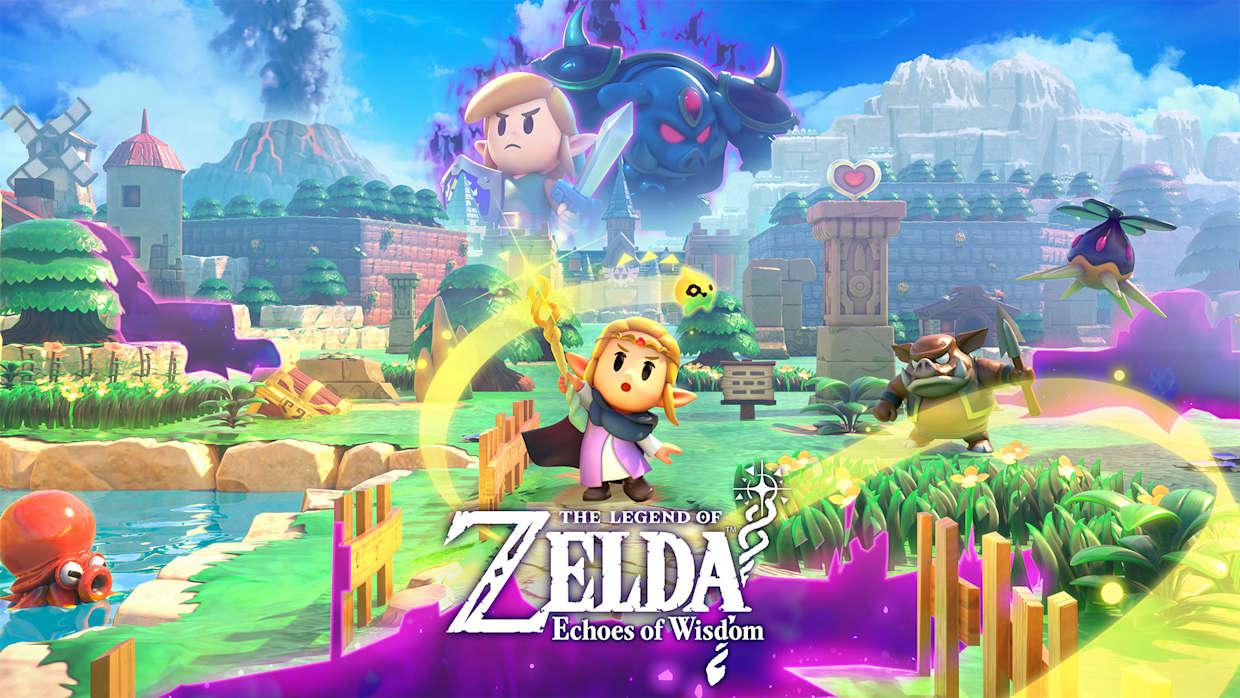
In November 2024, Nintendo accused streamer Jesse Keighin of streaming pirated versions of games before their official launch. According to the documents presented, Keighin conducted over 50 pirate streams in the last two years. "Stolen" titles included Mario & Luigi: Brothership and The Legend of Zelda: Echoes of Wisdom.
The company stated that despite dozens of notices sent to YouTube, Twitch, and Kick demanding content removal, the defendant continued streams using illegally modified consoles and Yuzu and Ryujinx emulators. In one letter sent by Nintendo, Keighin "boasted" of having "thousands of temporary channels" to circumvent blocks and intended to continue the activity.
The defendant failed to appear in court to defend his interests, leading to a default judgment. The court ordered Keighin to pay $17,500 in compensation.
The court also issued a permanent injunction prohibiting Keighin from distributing pirated content and tools for hacking Nintendo consoles. Meanwhile, the court dismissed part of Nintendo's claims: a ban concerning anonymous "third parties" was rejected due to the inability to identify the violators, and the demand for the "destruction of circumvention devices" was deemed "unclear" and "unjustified" since the company provided no specific data on their ownership and composition.
5. Composer Johnny Gioeli's lawsuit against Sega was dismissed
Previously, we discussed that composer Johnny Gioeli, known for his participation in the band Crush 40, filed a lawsuit against Sega for unlawful use of the track Live & Learn in the game Monster Hunter Rise, demanding $500,000.
On September 22, 2025, Gioeli reported that the lawsuit had been withdrawn. He explained this decision as "a lack of time, not a forfeiture of rights." "Just two weeks ago, Epic Games contacted me about the potential use of the song Live & Learn... And most surprisingly, they were asked to do so by Sega," he continued.
In October 2025, California studio Spyder Games began legal proceedings against Thomas Van der Voort, creator of the game Steal A Brainrot on the Fortnite Creative platform. The plaintiff accuses the defendant of copyright infringement by copying "artworks, objects, designs, and gameplay elements" from its viral game, launched on the Roblox platform in May 2025. Copyright for the game was officially registered in August of the same year.
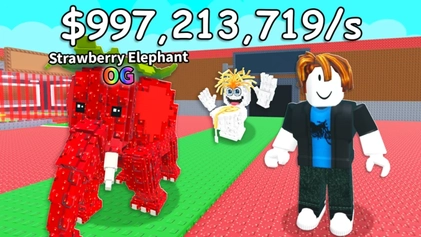
According to the lawsuit documents, the similarities between the two projects are neither accidental nor dictated by genre constraints. The documents emphasize, "The similarities are not the result of the games belonging to the same genre or being dictated by functional requirements. The defendant deliberately copied the creative decisions and unique design elements implemented in the plaintiff's game." The authors also claim that the copying was intentional and aimed at "capturing the plaintiff's game market."
As demands, Spyder Games is seeking damages from the defendant, reimbursement of legal fees, including attorney services, and a permanent court order prohibiting further use of disputed elements.
7. Bungie settled a copyright dispute with an author accusing the company of borrowing Destiny 2's plot
In October 2024, author Matthew Kelsey Martineau, also known by the pseudonym Caspar Cole, filed a lawsuit against Bungie, accusing the studio of copyright infringement. According to him, Destiny 2's plot was directly copied from his works published online in 2013-2014.
In response, Bungie filed a motion to dismiss the proceedings, attaching video clips from gameplay, data from Destinypedia, and deposition from game director Tyson Green. However, the court rejected the motion, noting that the company "suspiciously removed" disputed plotlines — i.e., deleted them from the game after the lawsuit began, which could suggest admission of the claims.
According to information from The Game Post, the parties reached a compromise and signed an agreement under confidential terms.
8. Blizzard filed a lawsuit against one of the largest private World of Warcraft servers
Turtle WoW is a private "classic" server for World of Warcraft. A "classic" server is a version of WoW that recreates the game as it was initially released in 2004. Since 2019, Blizzard began offering its own "classic" servers to paying customers. Though Blizzard has never publicly authorized private server creations, it historically only enforced those that profited from users. Turtle WoW was launched in 2018, with a record peak of over 70,000 concurrent users, and apparently, its activities aren't free: the server offers support services in exchange for "donations." Blizzard did not appreciate this, and in August 2025, the company filed a lawsuit against the server's creators, claiming that the server's team "built an entire business on massive, blatant, and continuing infringement of Blizzard's intellectual property."
In response, the server team approached Blizzard, requesting the establishment of a licensing framework for Turtle WoW and other servers, allowing them to continue operating within this sphere. However, given the significant overlap between Turtle WoW and Blizzard's own servers, it is unlikely this request will affect WoW's developer.
Trademarks
1. Ys Net considers legal action against fake Shenmue 4 teaser creators
In December 2025, Japanese studio Ys Net announced a potential lawsuit in connection with the circulation of a fake "official" Shenmue 4 teaser on social media using its trademark — the company logo. The studio confirmed that the video had no relation to the developer and was posted without permission.
Ys Net emphasized in an official statement that no trailers, videos, or promotional materials related to Shenmue 4 had been released. The company views misleading the audience as unfair competition and a violation of trademark exclu
In August 2025, Epic Games announced plans to bring Fortnite back to iOS devices in Australia through its own store, the Epic Games Store. The decision followed a historic ruling by the Federal Court of Australia, which found that Apple and Google were abusing their dominance in app distribution and in-game payment systems with fees up to 30%, thereby limiting market competition.
Judge Jonathan Beach delivered the verdict on parallel cases filed by Epic (against Google since March 2021 and against Apple since November 2020), acknowledging the tech giants' practices as antitrust violations. However, the court dismissed allegations of consumer protection law violations and "unacceptable conduct."
Apple and Google expressed disagreement with certain aspects of the verdict, emphasizing the importance of security measures in their stores. Google also noted that its historic partnership agreements were shaped under intense competition.
The return of Fortnite to iOS in Australia will mark the first instance of legally distributing the game through an alternative app store within the country. Earlier, the game returned to Apple's store in the US in May 2025 after a four-year absence, and in the EU — exclusively through the Epic Games Store in 2024, complying with the DMA law requirements.
2. Partial victory for Apple in appeal does not halt Fortnite's return to Google Play Store
Amidst the global expansion of Fortnite's presence on mobile platforms — including the aforementioned return to iOS in Australia — the US legal system issued a mixed decision on Apple's appeal in its case against Epic Games.
In December 2025, the 9th US Circuit Court of Appeals partially granted Apple's motion, allowing the company to charge a "reasonable fee" for transactions through external payment systems if it reflects "actual costs for ensuring user security and privacy." The specific commission rate is to be determined in further interactions with the district court.
At the same time, the court rejected Apple's key arguments: the proposed 27% commission by the company was recognized as a violation of a court injunction issued in 2021 (effective January 2024), and restrictions on advertising third-party payment methods were deemed overly broad. The court mandated equal visibility for both internal and external payment options. Apple's request to dismiss the entire court injunction was also denied.
The decision followed an April district court ruling, where Judge Yvonne Gonzalez Rogers found that Apple had deliberately violated the previous injunction by continuing to charge commissions on third-party payments. Epic CEO Tim Sweeney welcomed the appellate decision, stating on social media: "After years of opposition from Apple, we’re finally seeing significant changes."
Concurrently, Fortnite returned to the Google Play Store in the US — the first region following the game's global removal from Apple and Google stores in August 2020. Epic confirmed plans for the phased restoration of game accessibility through Google's official store and in other global regions. The return to Google's ecosystem was made possible after a series of Epic's legal victories in the US, including a July 2025 decision affirming the Play Store as an illegal monopoly.
3. UK Appeal Tribunal finds Apple's 30% commission "excessive and unfair"
Let's discuss more about Apple's unfair practices.
In October 2025, the UK Competition Appeal Tribunal (CAT) ruled on a class-action lawsuit against Apple, determining that the company abused its dominant position in the iOS app distribution market from October 2015 to the end of 2020. The tribunal labeled the 30% commission as "excessive and unfair," noting a fair level would be 17.5%. According to the verdict, developers passed 50% of the overcharge onto end consumers.
The lawsuit was initiated by UK scholar Rachael Kent on behalf of millions of iPhone and iPad users in the UK. The total claims amount to approximately £1.5 billion (around $2 billion).
The ruling set a precedent for successful consideration of a mass lawsuit against a tech giant within the UK's collective action framework, established in 2015. Similar cases against Google (regarding Play Store fees), Amazon, and Microsoft are next in line.
Apple announced its intent to appeal the verdict, calling it "a flawed view of a competitive and dynamic app ecosystem." The company emphasized the App Store's role as "a safe and trusted platform for developers and consumers."
Miscellaneous
In August 2025, Subnautica developer and Krafton subsidiary, Unknown Worlds, filed a lawsuit against former executives Ted Gill, Max McGuire, and Charlie Cleveland. The plaintiff accused the trio of breaching fiduciary duties and mass downloading of confidential information before resigning — a few days before access termination, McGuire downloaded 99,902 files and Cleveland 72,140 files, totaling over 170,000.
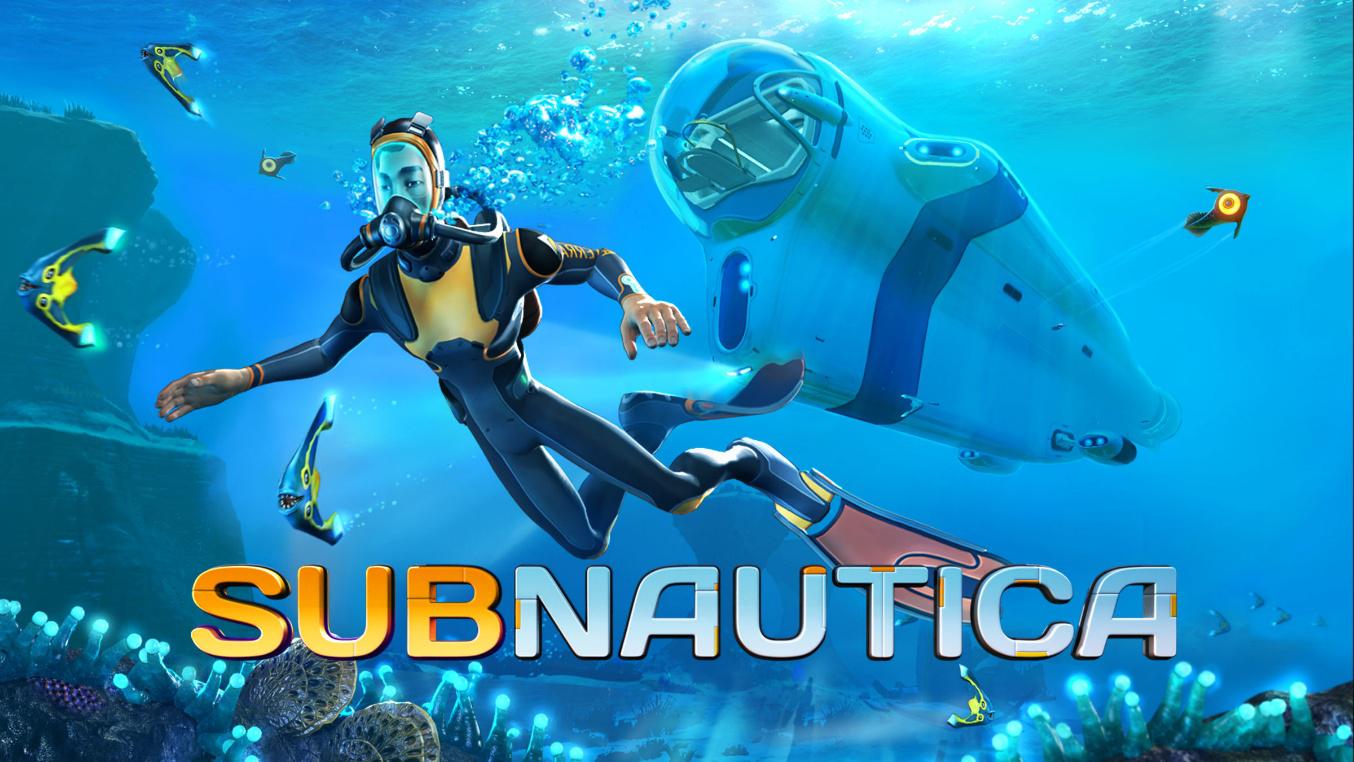
According to the lawsuit, the downloaded materials included business documents, intellectual property, internal correspondence, Subnautica franchise concepts, game design files, and source codes. The defendants' actions were described as "the largest downloads since 2022," with Cleveland’s last operation halted just eight minutes before his account was blocked.
The lawsuit is a counteraction to the founders' own lawsuit, which accused the studio of deliberately delaying the Subnautica 2 early access launch to avoid a $250 million bonus tied to its commercial success. Unknown Worlds alleged the executives lost interest in the project: Cleveland announced his move to the film industry in 2023 and changed his LinkedIn status to "part-time," McGuire focused on the "failed" Moonbreaker project, and Gill as CEO failed to restore leadership. Consequently, the Subnautica 2 release date was postponed thrice, scaling down the planned release to a "sandbox."
The plaintiff demands a ban on using and disclosing commercial information, compensation for damages and legal costs, and transfer of all intellectual property rights created during employment.
2. Epic Games filed a lawsuit against Fortnite island creators for using bots to inflate engagement
In October 2025, Epic Games filed a lawsuit in the US District Court for the Eastern District of Michigan against two Michigan residents — Idris Nahdi and Ayob Nasser. The company accuses the defendants of fraud within the Fortnite Island Creator program: from December 2023 to February 2025, they created over 20,000 fake accounts and programmed them to automatically interact with their islands via cloud gaming services.
According to the lawsuit, bots constituted up to 90% of the defendants' island visitors, artificially inflating key payment metrics — popularity and player retention. As a result, Nahdi and Nasser received "tens of thousands of dollars in unearned payments," which under the program are distributed from a fund formed by 40% of in-game purchase revenue.
Epic detected "anomalies" in December 2024, when nine out of ten defendant islands showed activity levels of 80–99%. The company immediately suspended payments for January and February 2025, after which bot activity sharply declined — indicating the scheme's deliberate nature, according to the plaintiff.
As a response, Epic removed the violators' islands and banned their accounts.
The lawsuit demands damage compensation, a permanent ban on access to Epic’s services, and holding defendants accountable for fraud and copyright infringement.
3. Iam8bit sues Skybound over multimillion-dollar fraud allegations
Iam8bit, a company specializing in video game collectibles, filed a lawsuit against publisher Skybound Games. The claims involve fraud, breach of contract, and unfair competition. The lawsuit was filed in the California Superior Court.
Iam8bit alleges that Skybound conducted fraudulent accounting for several years: not providing monthly reports, inflating its expenses, and including fictitious cost items in documentation. Consequently, Iam8bit had to hire an external auditor, costing $4 million.
A separate incident involves the game Stray. Iam8bit participated in a deal with publisher Annapurna and received royalties. When preparing for the game’s release on Nintendo Switch, Skybound allegedly utilized Iam8bit's confidential information to ink a separate agreement with Annapurna, excluding the partner from the process.
The lawsuit also states that Skybound copied Iam8bit's marketing materials, with the similarity level described as "near-exact copies." Meanwhile, the defendant concealed its intentions, not informing the plaintiff about direct negotiations with Annapurna.
The collaboration between the companies began in April 2021, co-releasing physical versions of indie games. Iam8bit has been in the market since 2005, known for its vinyl soundtracks, apparel, and event organization. Skybound is the gaming division of Robert Kirkman’s company, creator of "The Walking Dead."
4. Polish developers sue publisher over "Witcher" clause
Byterunners studio head Rafał Pęcherzewski acknowledged that his team initially signed an unfavorable contract with publisher Movie Games, agreeing to a minimal sales percentage. However, despite this, both installments of the Drug Dealer Simulator provided steady income, and the parties worked harmoniously for years.
The relationship soured in the spring of 2025 when the publisher suspected the Schedule I game of plagiarism and initiated an investigation. The studio opposed this, and amid the proceedings, Drug Dealer Simulator 2 sales sharply declined. Later, according to Pęcherzewski, Movie Games demanded additional console content without increasing the budget, threatening to deny royalties otherwise.
Unable to agree, Byterunners issued formal demands: payment of several hundred thousand zlotys for completed work and raising the share to 40% for both consoles and PC. The studio bases its claims on Polish law — the so-called "bestseller clause," allowing authors to review payments if a product succeeds. In 2018, writer Andrzej Sapkowski used this mechanism in his dispute with CD Projekt RED over "The Witcher."
The publisher already dismissed the claims as unfounded and filed a counterclaim, demanding 4.5 million zlotys in compensation from Byterunners' head for the game's poor technical condition.