"A wave of consumer disputes between players and industry companies may emerge," says Roman Lukyanov from Semenov&Pevzner about the results of 2025
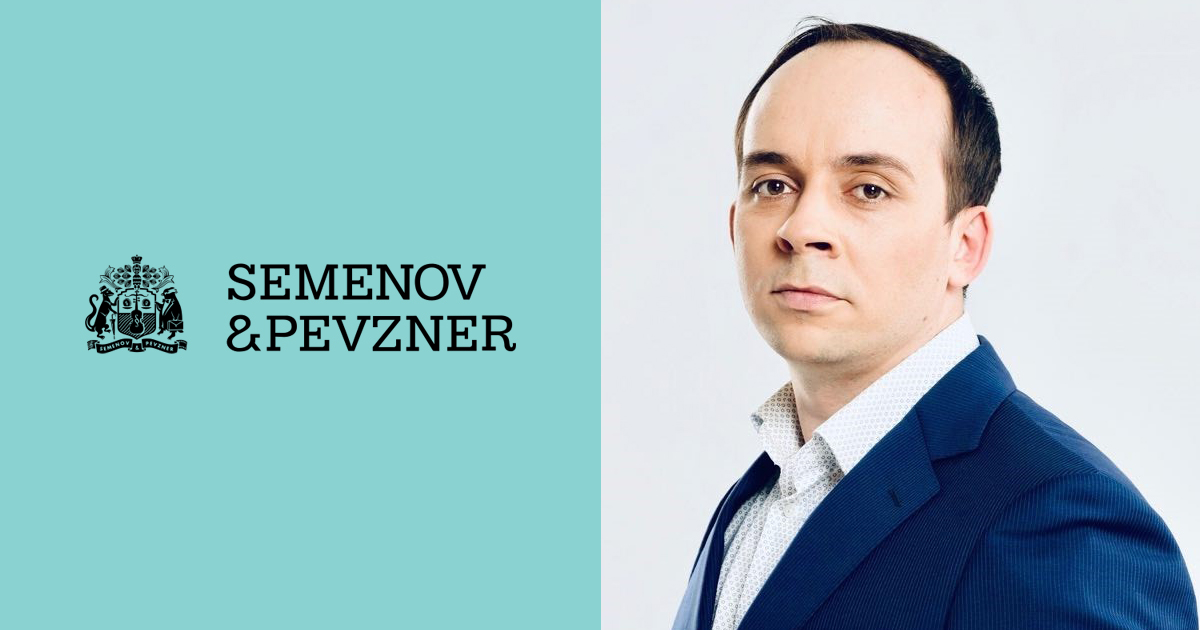
Following a good tradition, as January approaches, we summarize the past year together with representatives of gaming and related companies. Next up is a conversation with Roman Lukyanov, managing partner of the law firm Semenov&Pevzner.
What was 2025 like for your law firm? What were you able to achieve, and what challenges did you face?
Roman Lukyanov, Semenov&Pevzner: The year was quite eventful with a variety of occurrences.
In March, my team and I held a joint event with the Serbian Games Association in Belgrade for gaming companies. I believe it went quite well, especially considering the simultaneous presence of many companies in both Serbian and Russian jurisdictions. We discussed everything from intellectual property to taxes.
In May, we had a team business trip to San Diego, followed by Japan, the UAE, France, and Kazakhstan over the summer and fall. In short, staying put was not an option. These trips vividly demonstrated that, despite the complex international situation, the video game industry remains, so to speak, ubiquitous and omnipresent in a positive sense.
At the beginning of the year, we formalized our merger with the excellent ex-AIS team, which allowed us to launch a new hard enforcement practice focused on protecting intellectual property through administrative and criminal-law methods. This not only expanded our expertise and the range of services we offer the market but also broadened our industry reach, allowing us to work with industries we hadn't engaged with before. Additionally, this merger significantly expanded our capabilities in the CIS countries.
Our Novosibirsk office demonstrated very positive growth. By year’s end, the team had entered the list of leaders in the regional "Pravo 300" rating.
As planned by the end of last year, we worked closely in the GR sphere. We received good results in "Rossiyskaya Gazeta"’s GR nomination, led the Creative Industries Committee of the Russian Bar Association, and actively interacted with Russian industry associations.
This year, our two-year-long efforts in the Chinese and South Korean markets also finally bore fruit: new clients, new orders, new experiences—all came in 2025 (and we certainly don't plan to stop there).
And probably the most important and at the same time the most challenging task for our team was moving to a new office near Kitay-Gorod at the end of the year. This might sound insignificant—most likely—to everyone but us. For us, it was a complex, multi-layered story.
What key changes have occurred in the legal support of gaming companies over the past year? What issues did gaming companies most frequently seek help with this year?
Roman: Our team didn’t notice any significant changes in the industry landscape regarding the demand for professional legal services. Work with deals, support for investment projects, IT accreditation, registration in RRPO, and, to a lesser extent, requests for conflict situation handling remained consistent throughout 2025.
Certain details changed: more categories of restricted or permissible content with specific caveats, and more attention to IP portfolio protection.
What legal risks do you think gaming companies underestimated in 2025?
Roman: I have one universal answer that, I believe, applies not only to 2025 but also to a significant period before it: insufficient attention to deals (in the broad sense). Incorrect formulations, lack of clear terms, absence of a clear IP formalization, inadequate risk assessment, and in some cases, a complete lack of signed documents—all of these often lead to problems at almost every other level of the legal space: conflicts, disputes, inability to effectively attract investments, tax risks, and so on.
What strengthening or emergence of legal trends in working with gaming companies do you expect in 2026? What regulatory initiatives do you anticipate in 2026?
Roman: Our team works extensively with legislative initiatives in Russia. Experience suggests that predicting regulatory changes in our legal system is challenging. However, a few things can be speculated upon.
First, the upcoming 2026 tax reform. It will undoubtedly impact the market as a whole, and presumably, we can expect a certain boom in inquiries regarding corporate tasks, tax planning, and a higher demand for IT accreditation and RRPO registration.
Second, surprisingly few people know that Russia has had in effect for a year the Decree of the Supreme State Council of the Union State No. 6 "On Unified Consumer Protection Rules." At first glance, this document doesn’t concern the video game industry, but that's only at first glance. In fact, it differs significantly in several aspects compared to the Russian Law "On Consumer Rights Protection." For the video game industry, player disputes with developers or stores have somehow disappeared from the radar because the Russian law was, to put it mildly, not suited to such conflicts. However, the decree includes the concept of a digital product, which can certainly apply to video games. The decree’s effect may potentially lead to a new wave of consumer disputes between gamers and industry companies. Precedents in related content areas have already been encountered in 2025.
Third, Bill No. 795581-8 (On Activities Related to the Development and Distribution of Video Games in the Russian Federation) is under consideration by the State Duma. The fate of this bill could significantly impact the Russian video game market.
Moreover, in 2025, we might anticipate new regulations on artificial intelligence in the context of all creative industries. This factor could also notably influence the market.
What strategic steps is your company planning for next year?
Roman: Our main plan is to cultivate and develop the successes we have already achieved. However, we wouldn’t be Semenov&Pevzner if we didn’t plan something grand.
We have certain plans for expanding our geographical presence, but I can't say more in detail at the moment.
We also plan to more actively develop and offer our expertise in Digital Risk Protection (DRP), not only in the legal context but also through specific technological solutions.
Additionally, we see a growing demand for our hard enforcement service offerings, especially concerning digital piracy. We plan to make this a strategic focus in 2026 as well.