"We are witnessing a vibrant revival of the indie gaming industry on PC," said Danil Kamenev from Indie GO Fund about the results of 2025.
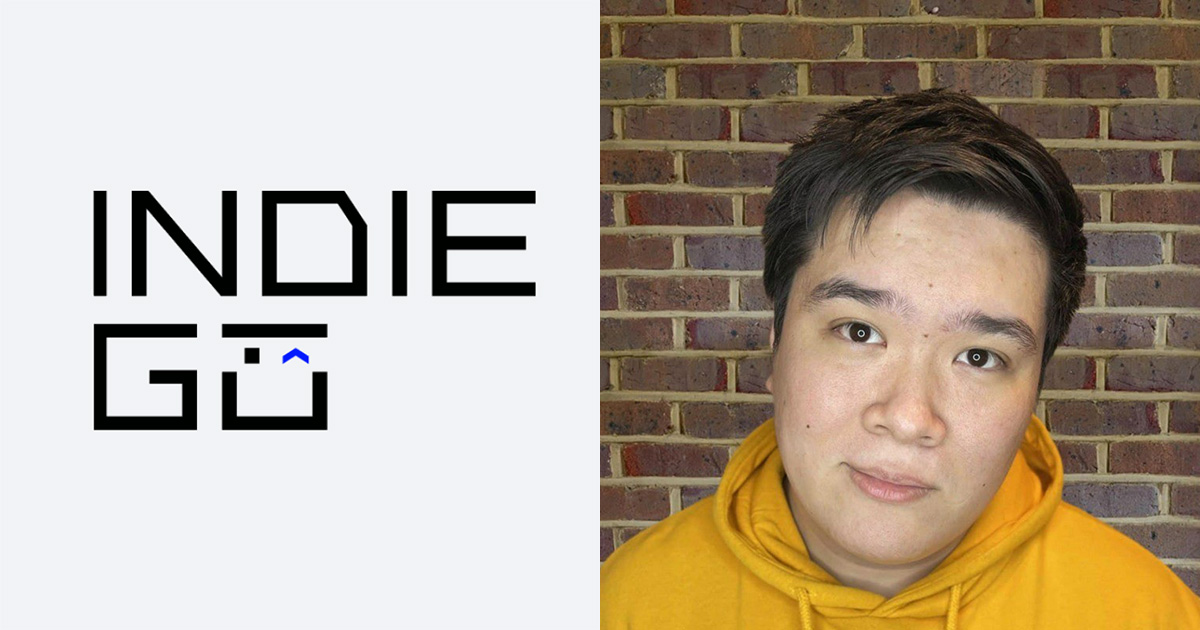
We continue to review the results of 2025 with gaming (or gaming industry-related) teams. Up next is an interview with Danila Kamenev, Head of Publishing at Indie GO Fund.
What did the year 2025 turn out to be like for your business? What achievements can you highlight? What conclusions have you drawn?
The year 2025 was a period of significant growth for our fund. We started with a team of 10 people in February 2025, and by December, we had grown to over 100. During this time, we invested in more than 25 projects totaling 300 million rubles. This is just our first year of active work, which is truly inspiring.
By the way, many people somehow think we have government funding. I assure you, our investments are private. We are always ready to collaborate with new investors and partners.
Throughout the year, we resolved numerous typical startup issues and strengthened our expertise in several "publishing areas":
- QA department;
- non-traditional marketing;
- producers with game design expertise who can assist with development;
- internal services: legal and accounting support, HR;
- assistance with obtaining royalties and funds from Steam in Russia.
We have faced and will continue to face many challenges and tasks primarily caused by the company's rapid growth. However, I would like to note that we have been able to successfully solve them so far. We hope that 2026 will be even more successful and that the challenges it brings will be minor obstacles on the path to our shared success.
From your point of view, how has the situation changed in the gaming market for publishing?
We are witnessing a vibrant resurgence of the indie gaming industry on PC. In the past two years, the number of publishers willing to work with indie developers has significantly increased in our market, not just Russian but also Western. I must acknowledge the support from RVI and AKI, who are striving to develop the industry in every possible way.
In 2026, we plan to grow, evolve, and release new games that will once again showcase our developers' talent. I would also like to note the increasing focus of developers on releasing on Steam.
Has the practice of working with developers changed? Has it become easier or more difficult to work with them? Perhaps they have changed in some way?
Yes and no. Every team is made up of living people, a living organism, and interactions with them are constantly changing. But we are incredibly fortunate with our partners, as we always quickly find common ground and move in the same direction. I would like to express my gratitude to the teams at Herbarium Games, Trioskaz, Bolshakov Sergey, Lunisky Studio, One More Time, Klukva Games, Kirill Fatkin, Funzen Games, and other unannounced teams.
I would also like to mention that thanks to STEAMizdat and other communities, a business perspective has become more evident. Developers have become more professional and, how should I say, organized. There are fewer dreamers of castles in the sky and more entrepreneurs. I think this is wonderful, as it will allow all of us to elevate the industry to a new level.
What kind of year was it for the niche in which you usually release games?
Based on our pool of games and observing the releases of 2025, we confirmed a couple of hypotheses about genres, but also received a reality check in cases where we were sure of a stable audience, such as for genres like deck builders and Fallout Shelter-like games.
What conclusions and lessons from 2025 would you highlight for developers preparing for release?
- The importance of a trailer. Please devote 100% attention to its creation. Do not hesitate to make it the best it can be and to redo it multiple times. We see a trend: if a trailer "takes off" at the announcement, gathering the same 10-20 thousand wishlists becomes a quite simple task. This is obvious!
- Working with bloggers. Collaborate with content creators specializing in short videos (Shorts, Reels, TikTok). This is an extremely important channel for growing wishlists and subsequent sales.
- Localization. Do not forget to translate the Steam page and indicate supported languages. I often notice that indie developers overlook this, which directly affects the game's accessibility to audiences.
- QA (testing). This might be challenging for solo developers, but we've encountered cases where the lack of bug checks reduced the overall gross income by nearly half.
What strengthening or emergence of trends in your niche do you expect in 2026?
I think we will see more projects in the CloverPit-like and friend-slope genres. Their popularity will grow, but it might also drop just as quickly. Cooperative games and simulators will remain stable genres. Additionally, we will most certainly witness the revival of some classic genres, as happens every year. Early in the year, we will publish a genre report for 2025 on Steam — a mini-announcement.
What are the company's plans for 2026?
We will continue to grow, acquire new assets, and maybe even entire studios. In 2026, we are releasing almost 15 projects, which means we will need to find 15+ new projects. It seems our scouts will begin a super-active search. We are also expecting evident improvements in internal processes and the enhancement of marketing tools. Therefore, in 2026, you can expect new project promotion techniques that will differ significantly from the base I write about on my blog "The Tired Publisher". You can learn about it there.