The developer of Trash Goblin explained why indie studios should abandon fixed budgets
Indie studios should finance game development gradually, increasing expenditure as demand is confirmed. This is the opinion of Nicholas Lovell, the Product and Strategy Director at Britain's Spilt Milk Studios, known for Trash Goblin.
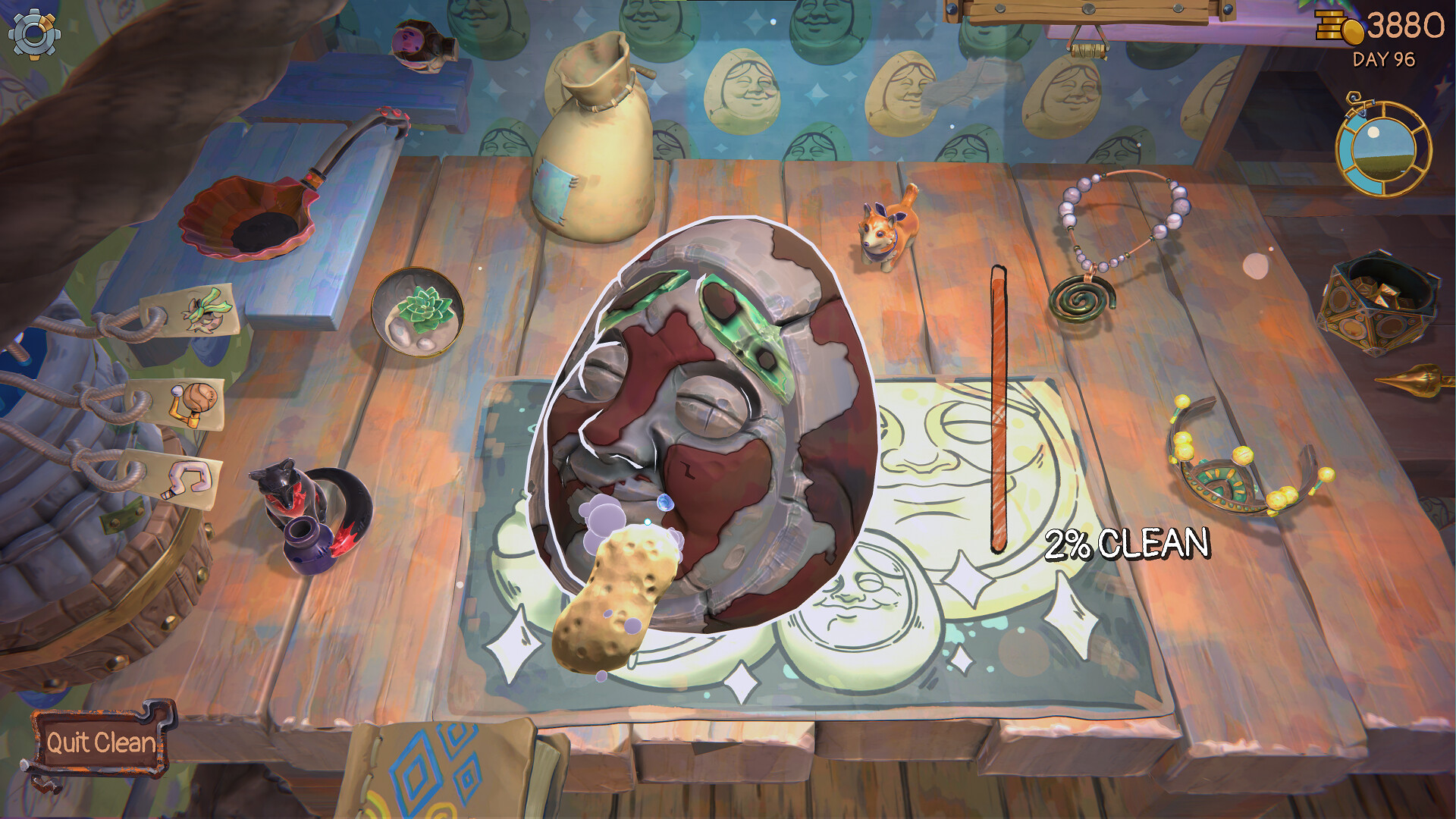
In a column for GamesIndustry, Lovell shared that the studio adopted this approach after facing funding difficulties with Trash Goblin. The project was rejected by 74 publishers, leaving the team on the verge of layoffs. Kickstarter helped salvage the situation, although it later became clear that crowdfunding only covered 10% of the game's budget.
Ultimately, over a third of the funds for developing Trash Goblin came from players via Kickstarter and early access, about a third was secured through British government grants and tax incentives. The rest came from the studio's own resources, income from commissioned development, and support from Microsoft.
Now, Spilt Milk Studios uses this experience in creating Gobble Inn. Development is divided into stages, with funding for each phase contingent on the results of the previous one. If the game does not capture the audience's interest, the studio will limit itself to fulfilling its obligations to the buyers. If sales prove high, the team will expand the project, adding content, localizations, and console versions.
As a result, Gobble Inn's budget could range from £250,000 to £2.5 million—a tenfold difference.
According to Lovell, this model allows indie developers to reduce financial risks and maintain independence from publishers. Instead of determining the entire game’s cost upfront, the studio should assess how much it is willing to invest in the next phase and what commercial outcomes would justify further investment.