"Sir, We Have an Orc Problem" is the new indie hit. The game earned over 360 thousand dollars within 24 hours
At the end of July, the German indie studio Mumpitz Games, consisting of just two developers, released their new game— Sir, We Have an Orc Problem. The project immediately "took off."
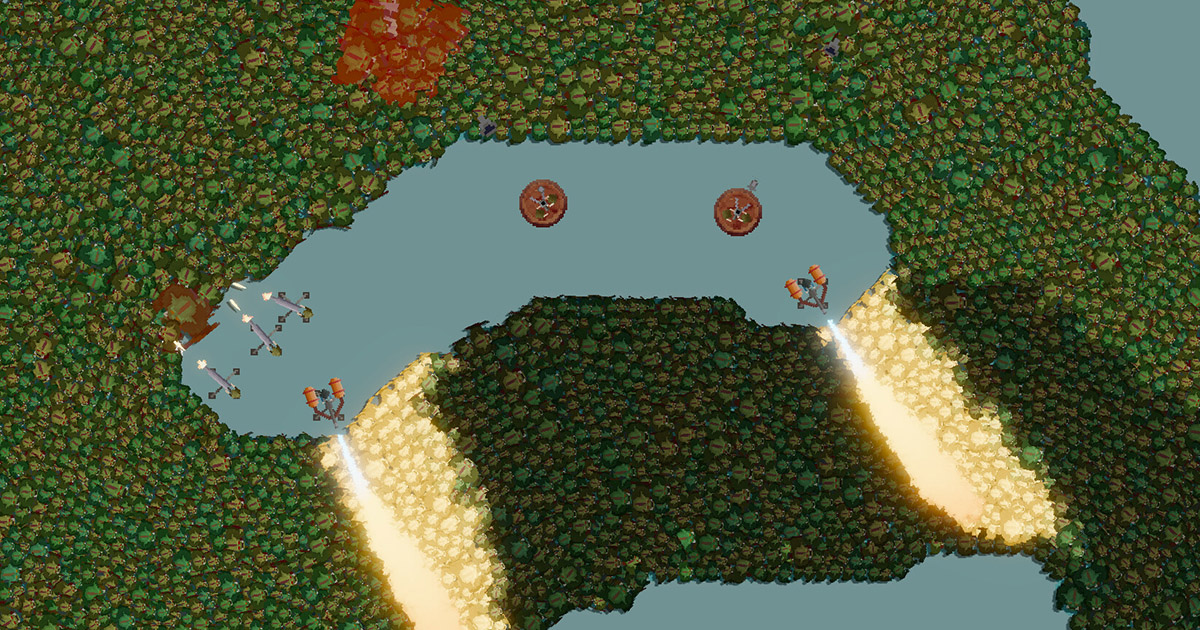
Sir, We Have an Orc Problem
The excellent launch of Sir, We Have an Orc Problem was shared by the game's creators on X and Reddit.
- Sir, We Have an Orc Problem is an incremental Tower Defense game where players must fight against hordes of orcs. The game was released on July 28th on Steam and by the time of this writing has achieved a "very positive" rating of 86% based on 848 reviews.
- According to the developers, within just 24 hours of release, they were able to sell 43,700 copies of the game, generating gross revenue of $361,600.
- For comparison, Mumpitz Games' previous game, Tiny Auto Knights, took nine months to earn $70,000. After paying Steam commissions and taxes, as well as revenue shares to the publisher, the developers were left with about $30,000 "net" revenue. Given that it took a year and a half to develop Tiny Auto Knights, this result did not particularly please its creators.
- As admitted by Mumpitz Games, they worked on Sir, We Have an Orc Problem for much less time—about four months.
- The developers also reported that throughout the entire time, they spent only $200 on marketing for Sir, We Have an Orc Problem. This was the fee for participating in the Best Indie Games Summer Showcase 2026, which Mumpitz Games ultimately deemed unnecessary.
- Nonetheless, saying that Mumpitz Games did not engage in any promotion for Sir, We Have an Orc Problem would be incorrect. The developers regularly wrote about the game on social media from the prototype stage, and after the first playtest, YouTube bloggers noticed it. Moreover, in June, Mumpitz Games released a demo version for the Steam Next Fest. As a result, by the release, Sir, We Have an Orc Problem had accumulated over 100,000 wishlists.
"Of course, luck played a role, but I am firmly convinced that we are in a golden age for indie games. Many developers are simply creating small, engaging games that somehow start selling incredibly well. You just need to show your game to people—through social media, playtests, or any other way—and let them play it. If there’s 'magic' in it, you will know right away. And if not, you’ll have to decide whether you want to finish the game because you personally like it, or if it’s better to switch to something else," concluded Laurin Agostini, co-founder of Mumpitz Games.