Analysis of the EU Kids Act: Instead of banning games for children, the EU proposes to change the rules for their design and operation
Concerns about a ban on online games for children under 15 in the European Union have not been confirmed. However, the proposed legislation does suggest rather strict regulations. We reviewed the published documents and figured out how the EU aims to transform “child protection” from a safety function into a part of product design.
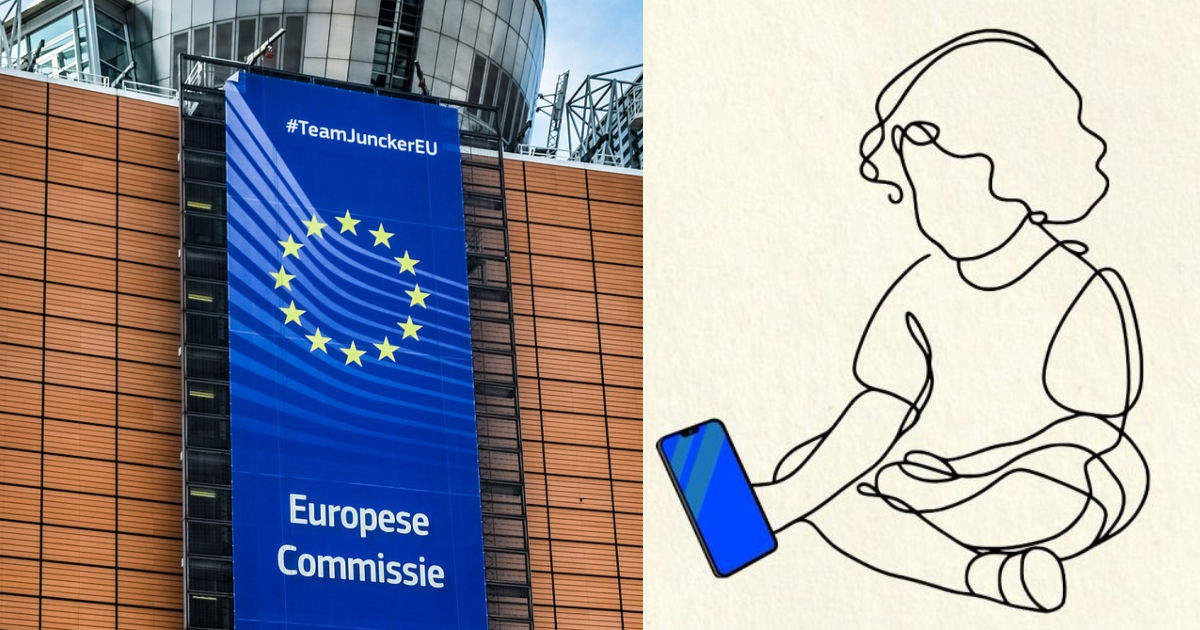
Image on the right: from the European Commission website
Main Provisions of the EU Kids Act, Age Thresholds, and Verification Systems
The version of the bill, published on September 17, does not propose a universal ban on internet and online services for children. The age of 15 is specified as a key threshold for relatively independent access to certain social networks and video services. Special provisions will apply to video games, but more on that later.
The overall structure of the proposed restrictions is as follows:
- under 3 years — it is effectively impossible to use any services (essentially, children this age should not have screen access at all);
- 3–13 — cannot create their own accounts on social media, and limited access to certain “children’s” video services is possible through parental accounts and control;
- 13–15 — a parent may create a restricted account for the child, which will always have control tools enabled, with the ability to set limits up to 1 hour per day, and adding new contacts is allowed only with prior approval;
- 15–17 — the child is allowed to create personal accounts on social media and video services, but they are still subject to protective restrictions and measures;
- 18+ — can use social media, chatbots, and platforms without special child restrictions.
The question arises: how exactly will the age verification process be organized?