Nintendo's first-quarter sales decreased by 9.5%, but the company experienced a significant boost in operating profit. This was attributed to increased software sales and a $300 million refund from US tariffs
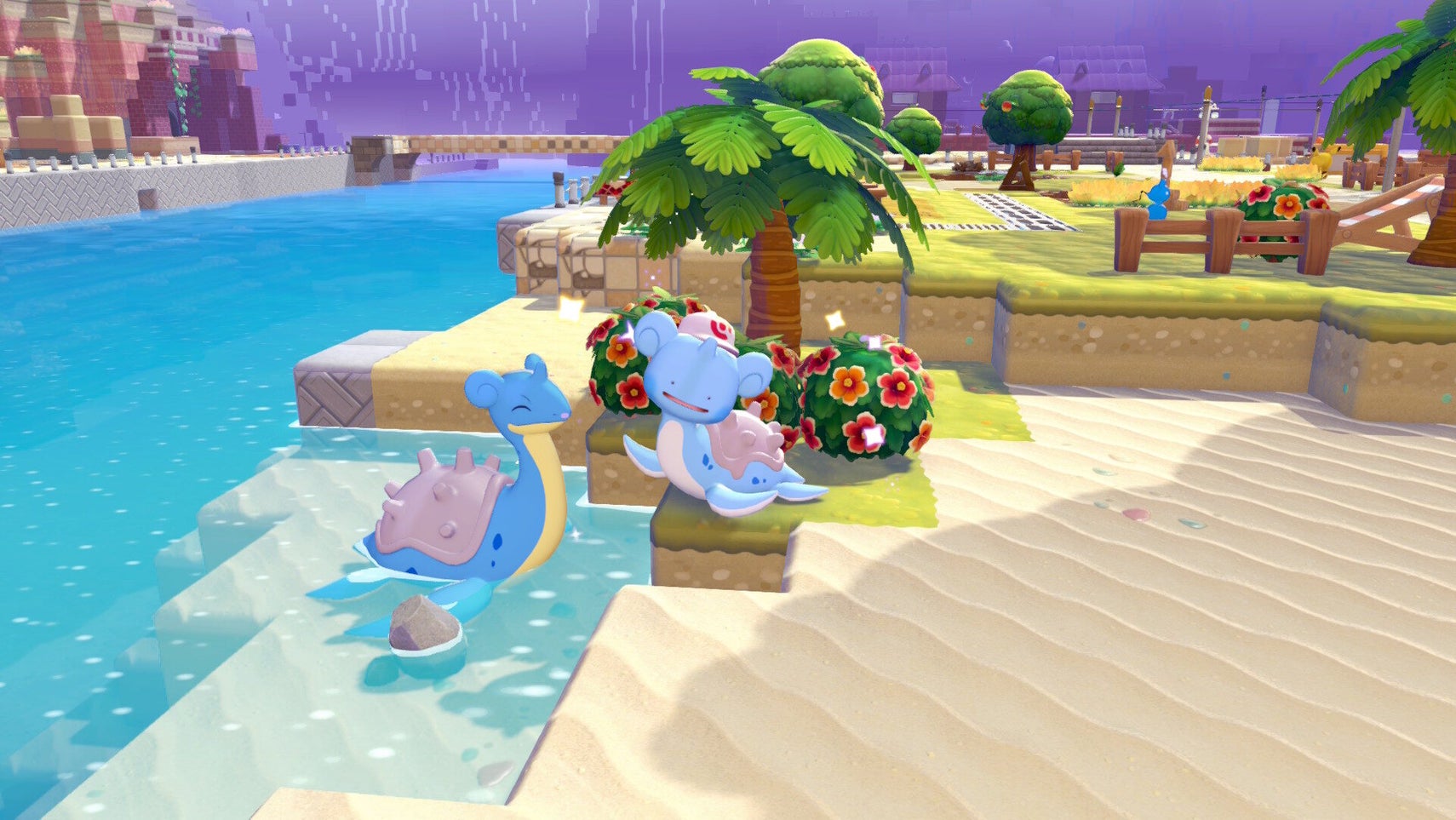
Image credit: Nintendo
Nintendo experienced a 9.5% reduction in net sales during the first quarter, although their operating profit surged by 150.5%, credited to soaring software revenue and $300 million in tariff reimbursements in the U.S.
The company explained that these tariff reimbursements primarily impacted Nintendo's finances rather than being transferred to consumer pricing.
Recently, Nintendo sought dismissal in a consumer class action lawsuit related to the issue of passing tariff refunds to consumers.
Nintendo's legal team stated that the company made only slight and selective price changes, taking on the tariff expenses for some of their key products in 2025, such as the Switch 2 console.
Key Financials
Figures for the quarter ending June 30, 2026
- Net sales stood at ¥517.8 billion ($3.2 billion), marking a 9.5% decline
- Operating profit reached ¥142.5 billion ($902.7 million), reflecting a 150.5% increase
- Ordinary profit amounted to ¥206.1 billion ($1.3 billion), a rise of 115.1%
- Net profit was ¥147.4 billion ($925 million), increasing by 53.3%
Main Highlights
Nintendo's video platform revenue dropped by 13.3% to ¥483 billion ($3 billion), largely due to a decrease in hardware sales.
Conversely, digital sales saw a significant 90% uptick to ¥132.7 billion ($840 million), driven by an increase in downloadable software sales.
Despite maintaining "strong sales momentum," sales of the Switch 2 fell by 34.4% to 3.82 million units, compared to 5.82 million units in the prior year.
Nintendo noted that the decline didn't deter many consumers from adopting the system, motivated by new game releases and other elements.
The console's first quarter sales exceeded those of the original Switch in its second year, with a total of 23.68 million units shipped to date.
"For being only in its second year, its sales performance is comparable to that of the Nintendo Switch's growth trajectory. In Japan, following a price modification on May 25, the hardware sell-through has also been robust," the company stated.
Sales of the original Switch hardware dropped by 31.8% to 0.66 million units from last year's Q1 figure of 0.98 million.
The sales of Switch 2 software increased by 9.2%, reaching 9.46 million units year-on-year. The recently launched titles, Yoshi and the Mysterious Book and Star Fox, were noted to have "performed steadily," while Pokémon Pokopia has reached nearly four million sales since its debut in March.
Software sales for the original Switch experienced a 38.6% rise in Q1, tallying 33.81 million units, fueled by Tomodachi Life: Living the Dream's success, which sold 7.94 million units since its April release.
Nintendo observed that previously released Switch games also maintained solid sales, as players can enjoy games from both consoles on the Switch 2.
The company's IP-related segment saw sales climb to ¥34.8 billion ($220 million), marking a 107.4% year-on-year growth, spurred by strong global demand for The Super Mario Galaxy Movie, which has grossed over $1 billion worldwide.