CD Projekt has announced that "The Witcher 3" has exceeded 65 million sales globally as the company unveils its third expansion.
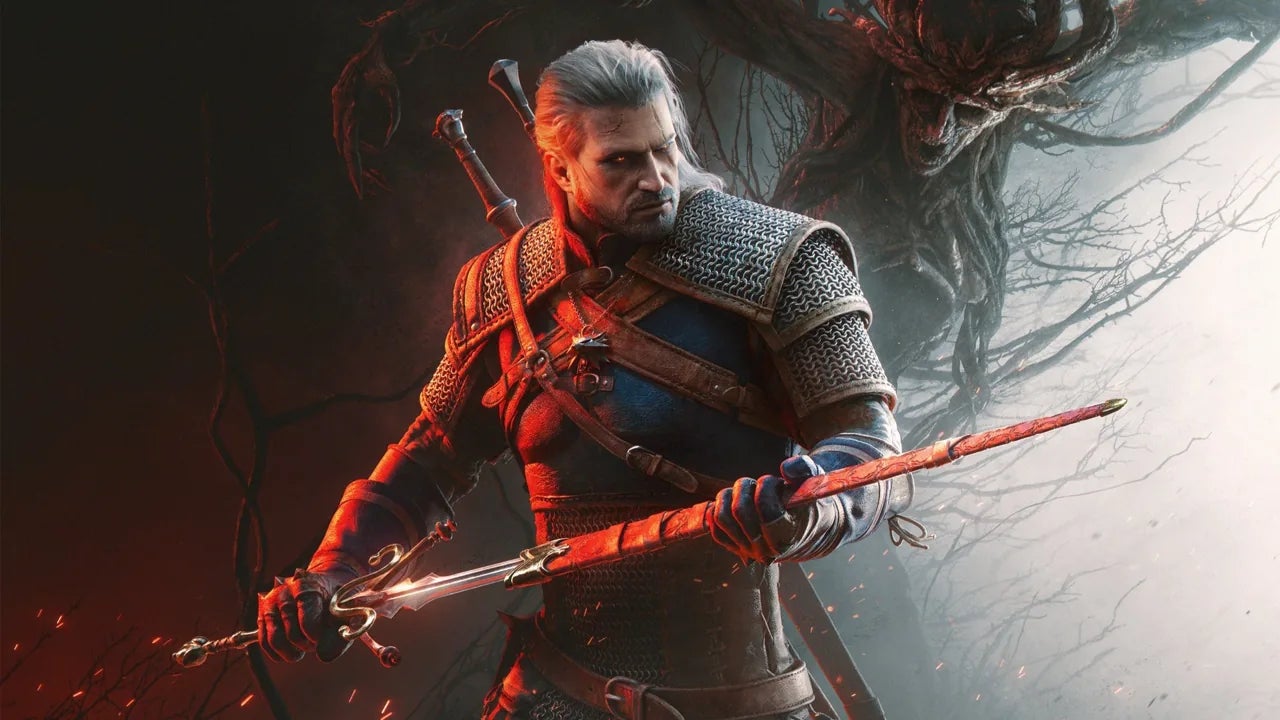
CD Projekt has unveiled details about its third expansion for The Witcher 3, originally released in 2015. In the company's initial quarter, they experienced a modest 6% growth in total revenue, reaching PLN 191 million ($52.5 million).
Within its franchises, Cyberpunk IP saw a revenue decrease of 4% to PLN 140.1 million ($38.4 million), whereas The Witcher series experienced a 36% revenue boost to PLN 44.7 million ($12.2 million). The Witcher 3 has exceeded 65 million in total sales worldwide. The forthcoming expansion, Songs of the Past, which is being developed in partnership with Fool's Theory, is progressing well and has a planned release year of 2027.
CD Projekt's net earnings fell to PLN 106 million ($29.1 million) from the prior quarter's PLN 111.7 million ($30.7 million). During the quarter, the company continued efforts to broaden the appeal of its franchises.
Recently, both the base version of Cyberpunk 2077 and The Witcher 3 – Complete Edition were offered on Xbox Game Pass Premium and Ultimate. CFO Piotr Nielubowicz mentioned that adding these games to Game Pass has provided a "solid revenue stream."
He further stated, "While advancing in our projects, we have been increasing investments in development despite maintaining strong cash reserves of PLN 1.4 billion ($384.9 million) as of March end. We are in a great position to ramp up our work on multiple projects concurrently across our robust franchise."
Joint CEO Michał Nowakowski remarked: "By engaging in various distribution channels and launching updates for the latest hardware, we can expand our player base and enhance the accessibility of our games."
The developer also shed light on its typical game production timeline, usually spanning three to six years. Historically, CD Projekt focused on a primary game while beginning concept work on the next title before releasing the previous one. Presently, the studio is simultaneously investing in several projects, along with support products, often with external partners. This strategy is expected to yield shorter intervals between game releases in the future.