Sega announces a net loss of $31.6 million for fiscal year 2026, coinciding with the cancellation of the 'Super Game' project as part of a strategic shift
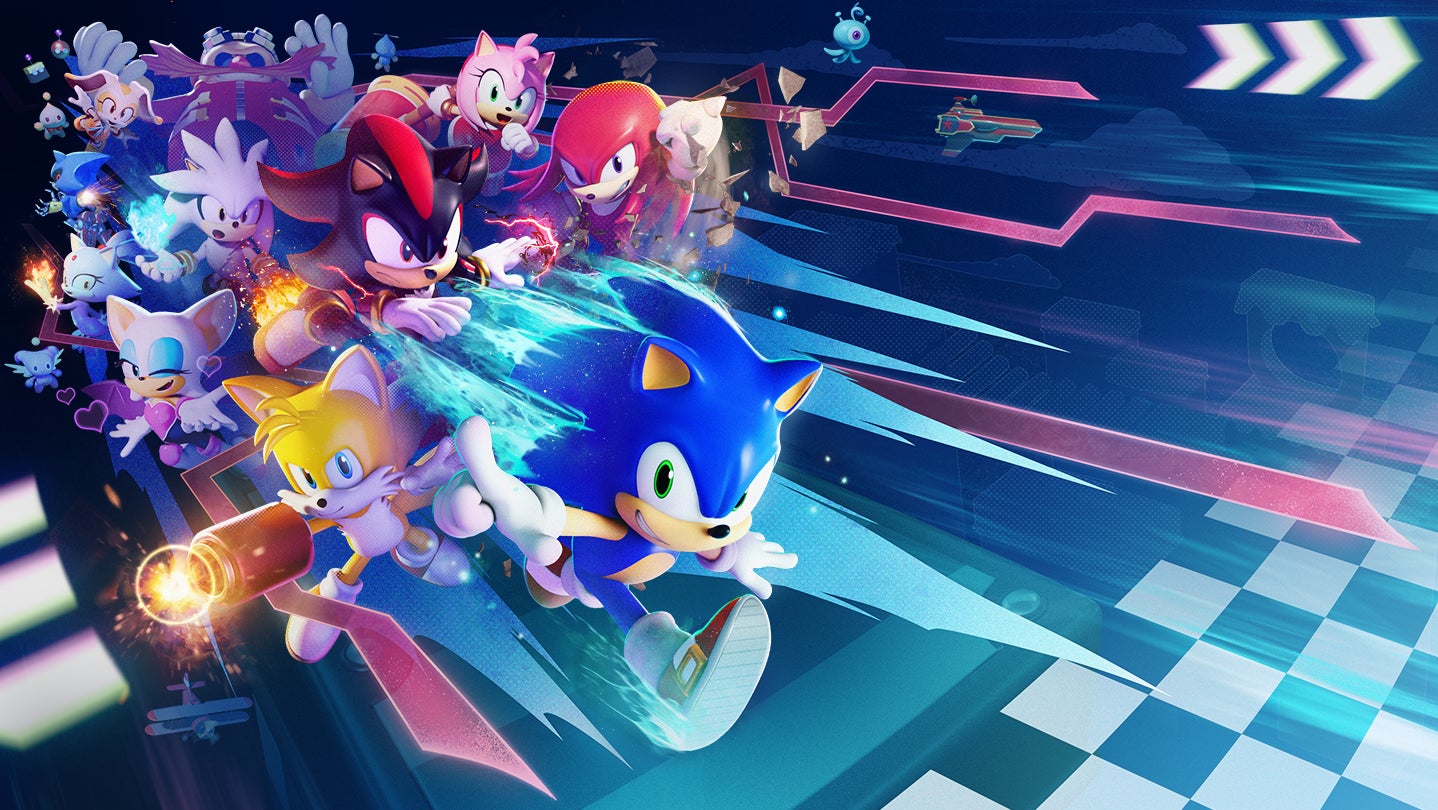
Sega Sammy has announced its financial outcomes for the fiscal year ending March 31, 2026. Although there was a 13.6% growth in net sales, the operating income from its entertainment segment, which includes video games, saw a decrease from ¥40.8 billion ($259 million) to ¥32.4 billion ($205.5 million).
The drop was largely attributed to a $200 million impairment loss for Rovio in the third quarter. The company's development efforts did not meet expectations, resulting in lower profitability than anticipated.
The overall net loss for Sega reached ¥5.7 billion ($31.6 million), due in part to impairment losses related to Rovio and Stakelogic, which it acquired in 2024, known for its online slots and live casino games.
Financial Overview
For the fiscal year ending March 31, 2026
- Net Sales: ¥487.5 billion ($3.09 billion), a 13.6% increase year-over-year
- Operating Income: ¥47.1 billion ($299 million), a decrease of 2% year-over-year
- Ordinary Income: ¥54.2 billion ($344 million), a 2% increase year-over-year
Key Developments
Sega reported that the performance of its entertainment division was sluggish with sales rising by only 1.5% to ¥326.6 billion ($2.07 billion).
There was a 12% decline in full game sales, amounting to ¥67.2 billion ($426 million), despite the launch of new titles like Sonic Racing: CrossWorlds and Football Manager 26.
The decrease in overall and full-game sales was due to poorer performance of specific titles, diminishing results from key franchises, and delay in the release of new Rovio games.
Revenue for free-to-play games grew by 14% to ¥53.7 billion ($341.1 million), with launches such as Persona 5: The Phantom X and Sonic Rumble Party. Nevertheless, Sonic Rumble Party failed to meet expectations and didn't deliver desired economic benefits in collaboration with Rovio.
Sega announced it has canceled its 'Super Game' initiative, which was envisioned as a prominent global online game, without incurring any additional cancellation costs. Initially announced in 2021, the project was to potentially involve a $1 billion investment in development resources and acquisitions to create a worldwide hit.
Shifting its focus to medium and long-term progress, Sega plans to lower its emphasis on free-to-play games; over 100 developers from this area have been repositioned to concentrate on full game development and core IP support. Furthermore, Sega stated Rovio will maintain its role in supporting Sega's games-as-a-service strategy but will first focus on restructuring itself.
In a recent interview with GamesIndustry.biz, Ben Mattes, the creative director of Angry Birds, elaborated on Rovio's development following Sega's acquisition in 2023. Mattes mentioned that Sega understands Rovio's focus on transmedia and mobile-first strategies, similar to the Sonic franchise's growth goals, intending to expand Sega's mobile and free-to-play portfolio through leveraging Rovio's expertise.
Going forward, Sega aims for growth in FY27 by releasing new full game titles from key IPs, enhancing sales through strategic improvements and rejuvenated marketing efforts. Additionally, Sega seeks to extend its transmedia projects by licensing its IPs and encouraging film adaptations like Sonic and Angry Birds.
The company anticipates a 4.6% growth in sales to reach ¥510 billion ($3.2 billion) in the forthcoming financial year, although it expects a 5.6% reduction in operating income to ¥44.5 billion ($282.4 million).