Nintendo is said to be modifying Switch 2 production plans following disappointing holiday sales
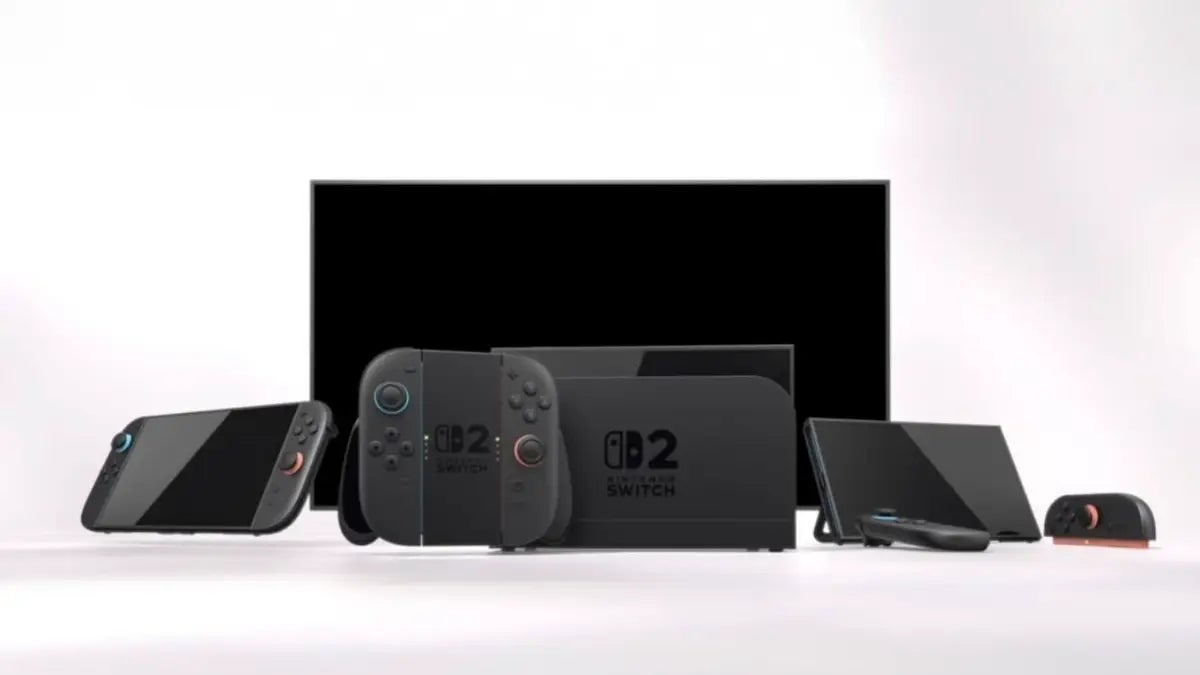
There are reports that Nintendo is scaling down the manufacturing of the Switch 2 following a disappointing sales performance during the holiday season, notably within the United States.
As reported by Bloomberg, insiders indicate that the company now intends to produce four million units for the current quarter, which marks a decrease from the initially anticipated six million. This reduction in manufacturing is likely to extend into April.
Nintendo's console sales have not met the company's forecasts, with the budget-friendly version performing better domestically, yet U.S. numbers have slipped.
This downturn triggered a dip in stock, with shares decreasing by up to 6.3% and reaching ¥8,835 ($55.72). Notably, a surge in Nintendo's stock of 10.5% occurred earlier this month after the launch of Pokémon Pokopia.
Informants emphasized that the decision to dial back Switch 2 production does not affect the company's optimism for the console's future potential. Rising costs and the shortage of memory chips were not influencing factors for this decision.
Nintendo declined to comment when queried by Bloomberg.
Upon its debut last June, the Switch 2 set a record in the U.S. by surpassing 1.1 million units sold in its first launch week, and by November, it achieved the highest global sales for any Nintendo system, with 10.36 million units sold.
Following Nintendo's recent financial report last month, President Shuntaro Furukawa stated that hardware sales in Japan exceeded the market expectations overall.
Furukawa remarked that the console's performance post-holidays was "better than expectations," driven by lower-cost models and strong sales of Pokémon Legends: Z-A and Kirby Air Riders.
Recently, it was suggested that Nintendo plans to introduce an updated version of the Switch 2 in the EU featuring a replaceable battery, adhering to the upcoming EU law slated for 2023 that mandates replaceable batteries in all handheld consoles by 2027.