Unity 7 is slated for release in the first quarter of 2027, and the new engine is described as a "direct continuation" of Unity 6
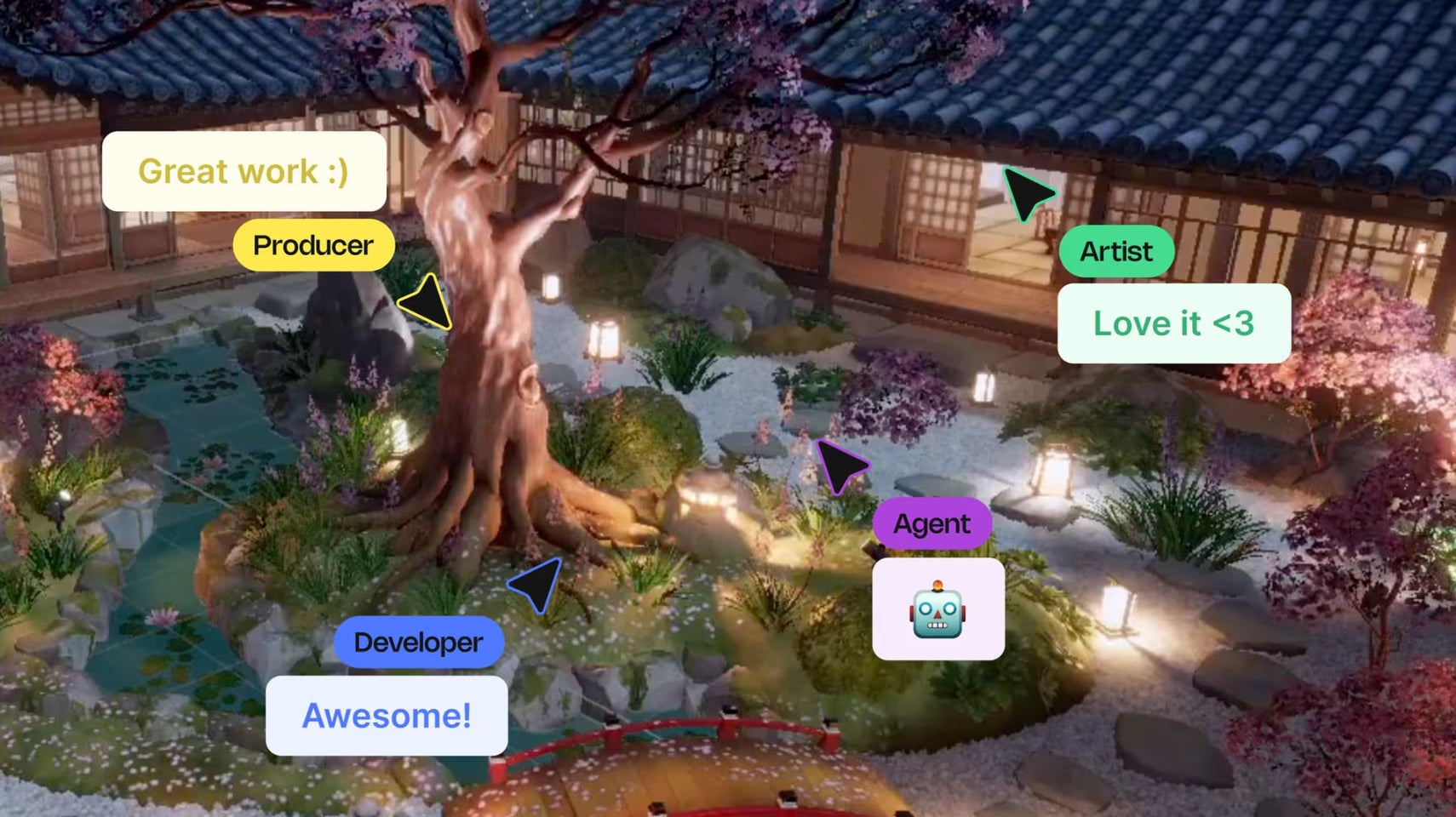
Image credit: Unity
Unity 7 is slated to begin beta testing in December 2026, with a full launch anticipated in the first quarter of 2027.
During the Unite Seoul conference, Unity announced that their upcoming engine will no longer require customary version updates. More details can be found on their official release page.
Described as a continuation of the Unity 6 system, Unity 7 incorporates new features that have already been tested and verified in production environments.
Adam Smith, Unity's senior vice president of product, explained to Game Developer that because the underlying architecture remains consistent during the version change, teams can transition smoothly while maintaining their existing workflows.
The updated engine introduces a command-line interface and public API, enabling artists, producers, and developers to verify assets and collaborate using their chosen tools without full editor access. Additionally, a free Multiplayer Connectivity Platform (MCP) will facilitate connections with AI coding agents.
Unity 7 is constructed on an advanced CoreCLR base and employs cutting-edge rendering tools like real-time global illumination technology with Surface Cache GI.
According to Unity, this will enhance the breadth and realism of lighting and visual details across all platforms, thanks in part to AI-enhanced graphics optimization, allowing scalability from high-end PCs to mobile devices.
The suite of AI tools in Unity 7 is integral to the platform, although Smith made it clear that using these tools is optional for developers.
He emphasized that studios preferring not to incorporate AI into their creative process will not be excluded from this release.
Unity 7 supports a future of collaborative work between humans and coding agents, but the decision to use these tools lies with each team.
Additional features of Unity's latest engine include direct-to-consumer in-app purchases (IAPs), no-code web shops, and unified catalogs that supply purchase data to the AI engine, Unity Vector.
Unity's CEO and president, Matt Bromberg, remarked on the rapid pace of change in game development, highlighting that success favors those who leverage new technologies to create distinct experiences and reach audiences. Unity 7 is designed to address this evolving landscape.