Tim Schafer stated, "The only person who can put Double Fine out of business is me,"
Tim Schafer, head of Double Fine Productions, has reflected on how the studio managed to remain operational after major job cuts at Xbox. Schafer emphasized the studio's resilience, saying that they wouldn't fold unless he decided it himself.
During a conversation with Bloomberg, Schafer shared steps taken to regain ownership of the studio’s assets and funding, allowing them to become independent once more.
Reflecting on the challenges, Schafer remarked, "You're like, 'Wait a second, we're not going out like this'. Although some team members were ready to leave, it was revitalizing for others."
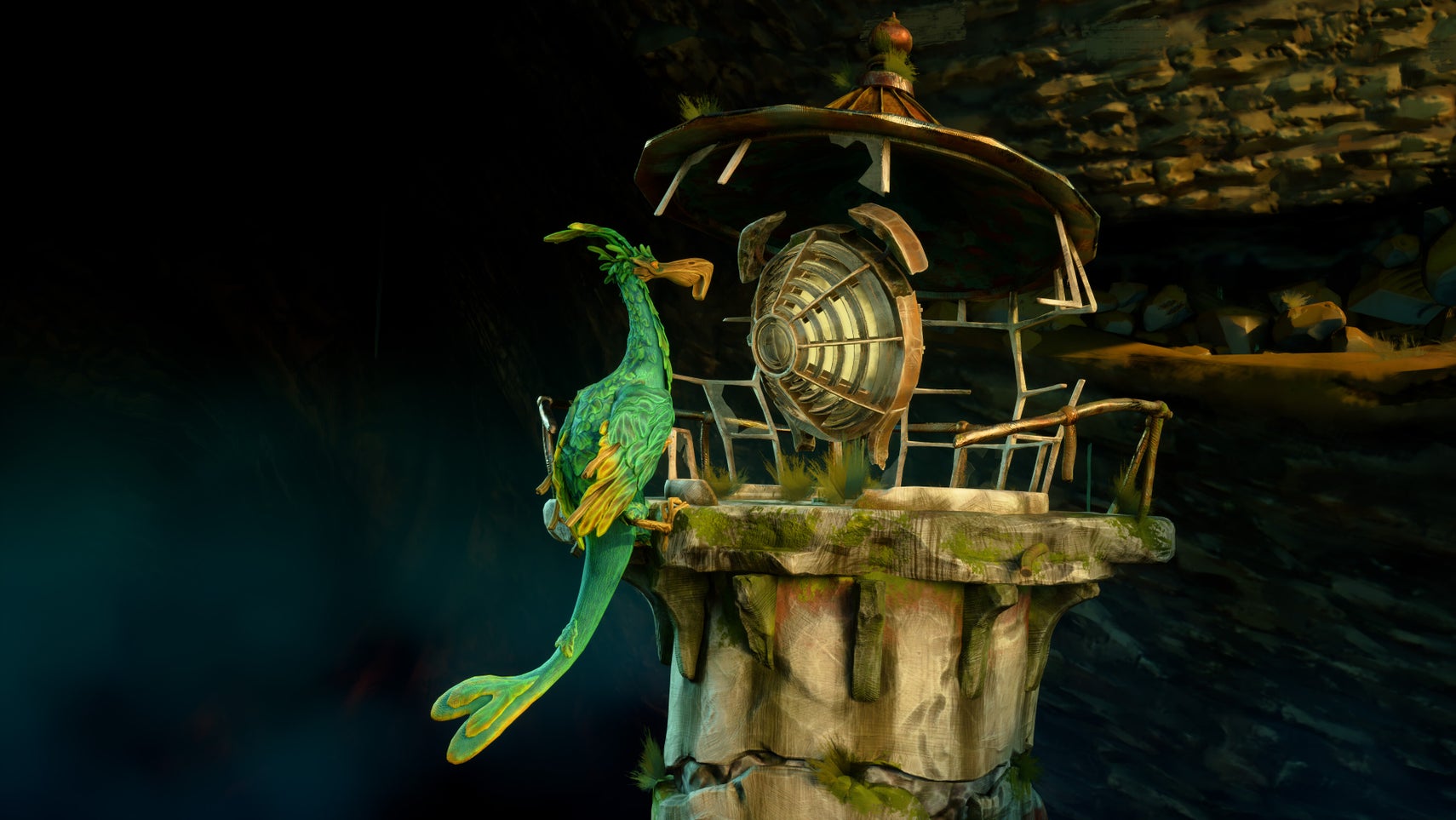
The acquisition by Microsoft back in 2019 was led by Phil Spencer, who believed strongly in the success of Double Fine's creations on Game Pass. However, after Spencer’s departure, Asha Sharma’s differing vision brought challenges, particularly after financial disappointments from games like Keeper and Kiln.
Double Fine's strategy was mutually beneficial with Microsoft's goal of enhancing Game Pass content. Yet changes in corporate objectives meant they needed to adapt swiftly, a task which Schafer acknowledged as challenging without a globally successful title.
Schafer emphasized his autonomy over the studio's fate, humorously noting, "No one puts Double Fine out of business except for me." He further explained his commitment to safeguarding the company's future, even amidst skepticism and uncertainty.
Since reclaiming independence, the studio has streamlined its workforce, reducing its size by 23 employees to operate with greater efficiency. Schafer pointed out that while they expanded under Microsoft's umbrella, they have since adjusted back to a sustainable scale.
Currently, Double Fine is in the process of pitching new gaming concepts to potential investors. Schafer finds this transition to independence thought-provoking after several years of corporate affiliation.
Discussing the evolving landscape, Schafer mentioned, "While I've learned over the years, the industry's complexity remains daunting, proving the importance of maintaining our team’s momentum through creative projects. Without engaging in innovative ventures, our identity and purpose would dwindle."
Addressing the practicality of their game development, Schafer assured that they continue to aim for profitability. "Despite perceptions, I believe Keeper holds broad appeal," he stated, underscoring its potential to captivate unique audiences.
The company recently publicized details of its fifth Amnesia Fortnight event, a project where small teams develop game prototypes. This initiative is backed by a Kickstarter campaign and accompanied by a documentary from 2 Player Productions.
Reflecting on recent challenges, Schafer commented, "We've encountered numerous obstacles this year, with internal and external challenges proving taxing. Yet, the creative process of developing viable games is invigorating. While the stakes are high, this passion fuels our perseverance."