U.S. physical video game sales have reached their lowest monthly figure since 1995, according to monthly charts data
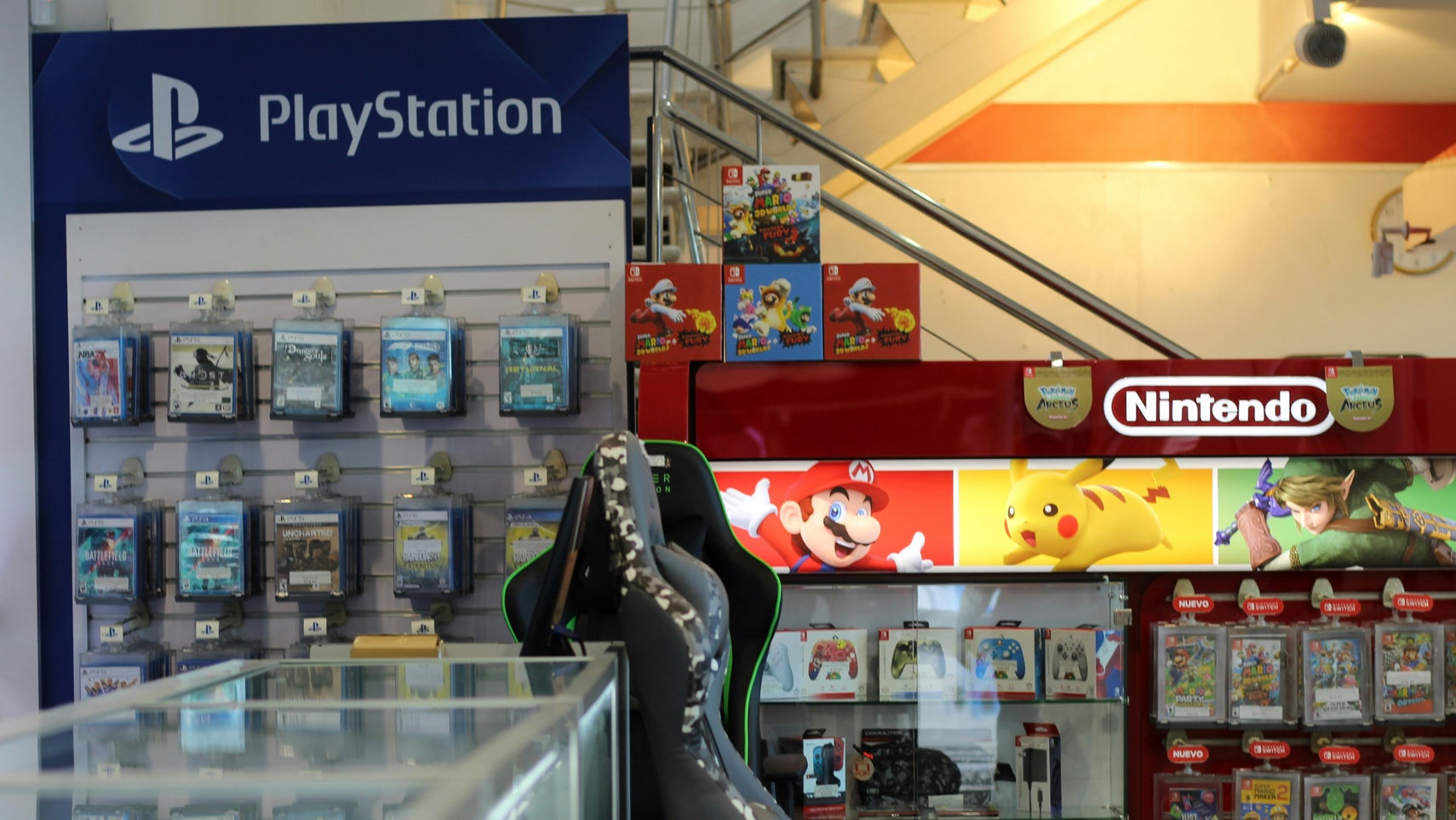
In July, physical software sales in the United States dropped to $85 million, marking the lowest monthly total since Circana began monitoring in 1995. Despite Sony's decision to halt the production of physical game discs for new titles starting in January 2028, PlayStation still accounted for 32% of consumer spending on new physical games. Meanwhile, Nintendo systems comprised 63% of physical game-related spending.
Circana’s Mat Piscatella recently highlighted that seven PlayStation titles have sold over 100,000 physical units in the U.S. so far. However, for the week ending July 11, only two games surpassed 10,000 units in sales.
Spending on gaming hardware fell by 29% compared to last year, totaling $282 million, which is the smallest figure for any July since the $163 million noted in 2020. The total number of hardware units sold decreased by 39% year-over-year, though the average selling price increased by 16%, reaching $542. This rise is attributed to price hikes for PlayStation, Xbox, and Nintendo Switch consoles.
The impressive rollout of the Switch 2 in June continues to affect hardware sales, alongside persistent RAM and component shortages. Piscatella commented that these factors are significantly affecting the sales rates of both the PlayStation 5 and Xbox Series, with the Nintendo Switch 2 seeing a price increase effective September 1.
Declines in hardware unit sales were observed across all platforms: PS5 saw a 6% drop, Xbox Series fell by 18%, and the Switch 2 experienced a 51% decrease. Nevertheless, the Switch 2 led in unit sales for July, while the PS5 generated the most revenue. Circana also noted that the Switch's sales are currently 11% ahead of the original model’s sales pace at a similar point in its lifecycle.
Overall expenditure on video game content, hardware, and accessories reduced by 10% year-over-year to amount to $4.5 billion in July, despite the appearance of six new releases among the Top 10. "Call of Duty: Black Ops 2" topped the July sales charts after being ported to PS4 and PS5. Additionally, the inaugural "Black Ops" also received a port and ranked fifth in the charts.
Ranking second was "EA Sports College Football 27" in terms of dollar sales. Combining its sales with those of the EA Sports MVP Bundle (2026) would have placed it above "Black Ops 2" in total sales.
Other notable releases in July included "Assassin's Creed: Black Flag Resynced," "Halo: Campaign Evolved," "Splatoon Raiders," and "Echoes of Aincrad: Sword Art Online."
Total content spending decreased by 9% to $4.1 billion, largely due to a decline in mobile spending. Nonetheless, "Pokémon Go" climbed to third place, with its revenues surging by 230% compared to the previous month, following its 10th-anniversary events.
AppMagic reported that "Pokémon Go" generated revenues exceeding $48.5 million from in-app purchases during its tenth-anniversary celebrations, which coincided with the "Road to Legends" event from July 6 to July 12. This event featured rotating raids featuring legendary Pokémon, Ultra Beasts, Mega-Evolved Pokémon, and additional rewards leading up to the Pokémon Go Fest: Global.
Projected top 10 best-selling games from July 5 to August 8, 2026, as per Circana data:
| Rank | Last month rank | Title |
|---|---|---|
| 1 | 67 | Call of Duty: Black Ops 2* |
| 2 | NEW | EA Sports College Football 27* |
| 3 | NEW | Assassin's Creed: Black Flag: Resynced* |
| 4 | NEW | EA Sports MVP Bundle (2026)* |
| 5 | 150 | Call of Duty: Black Ops* |
| 6 | NEW | Halo: Campaign Evolved* |
| 7 | NEW | Splatoon Raiders* |
| 8 | NEW | Echoes of Aincrad: Sword Art Online^ |
| 9 | 6 | Tomodachi Life: Living the Dream* |
| 10 | 3 | 007 First Light* |
* Includes Digital Sales Projections