The chief creative officer at Saber Interactive has stated, "We've never replaced anybody with AI"
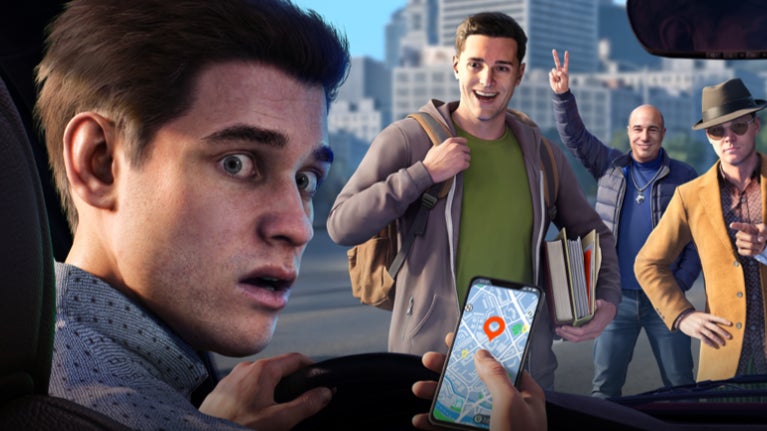
Tim Willits, who serves as chief creative officer at Saber Interactive, addressed CEO Matthew Karch's comments about allegations concerning a writer being substituted by ChatGPT.
In August, Stella Sacco, who claimed to be the lead writer for the upcoming Rideshare Stimulator, alleged she was replaced by ChatGPT during the development process. Karch issued a bold retort in response to these claims, stating: "Stella who? I had to ask Claude because I have never spoken to her or seen her … As far as Stella is concerned, she was replaced by someone more talented and terminated for a variety of reasons a few months later."
Sacco confirmed her previous claims, responding: "Everything I said was true. Here's more truth: that statement is remarkably pathetic for the CEO of any company to be making."
During Gamescom, when questioned by GamesIndustry.biz, Willits described Karch's comments as mere sarcasm. "We've never replaced anyone with AI—that's just crazy," he commented. Willits further explained that the use of generative AI is not employed in games such as Space Marine, Hellraiser, and Stuntman.
Nonetheless, Saber Interactive is evaluating AI's potential utility in the gaming industry. In relation to the Rideshare Stimulator, Willits said that AI technology is being tested specifically within the game's AI mode, while all other content was written by human authors.
According to the Steam page for Rideshare Stimulator, the "main Campaign story, characters, and dialogue are written by a team of human writers," but AI tools are employed for voice generation and some localization. Additionally, the "optional Free Ride mode includes AI-generated passenger missions and localized dialogue," and radio stations showcase a combination of music composed by humans and music generated by AI.
"I bet at next year's Gamescom, I think we'll have some bigger games that actually focus on [AI]"
Willits mentioned that generative AI is not currently part of Saber's production processes concerning code, environments, or textures. However, he predicted that a groundbreaking use of AI in gaming could emerge, providing an epiphany on how to integrate AI organically into gameplay.
"It will be interesting to see where it goes," Willits remarked, anticipating increased focus on AI at future gaming events. He expressed curiosity about AI's reception and integration within the Rideshare game, viewing it as an exciting trial.
The complete interview with Tim Willits is available at GamesIndustry.biz through this link.