Crystal Dynamics is incorporating generative AI technology in the early stages of prototyping. However, the company emphasizes that all final content is crafted by humans
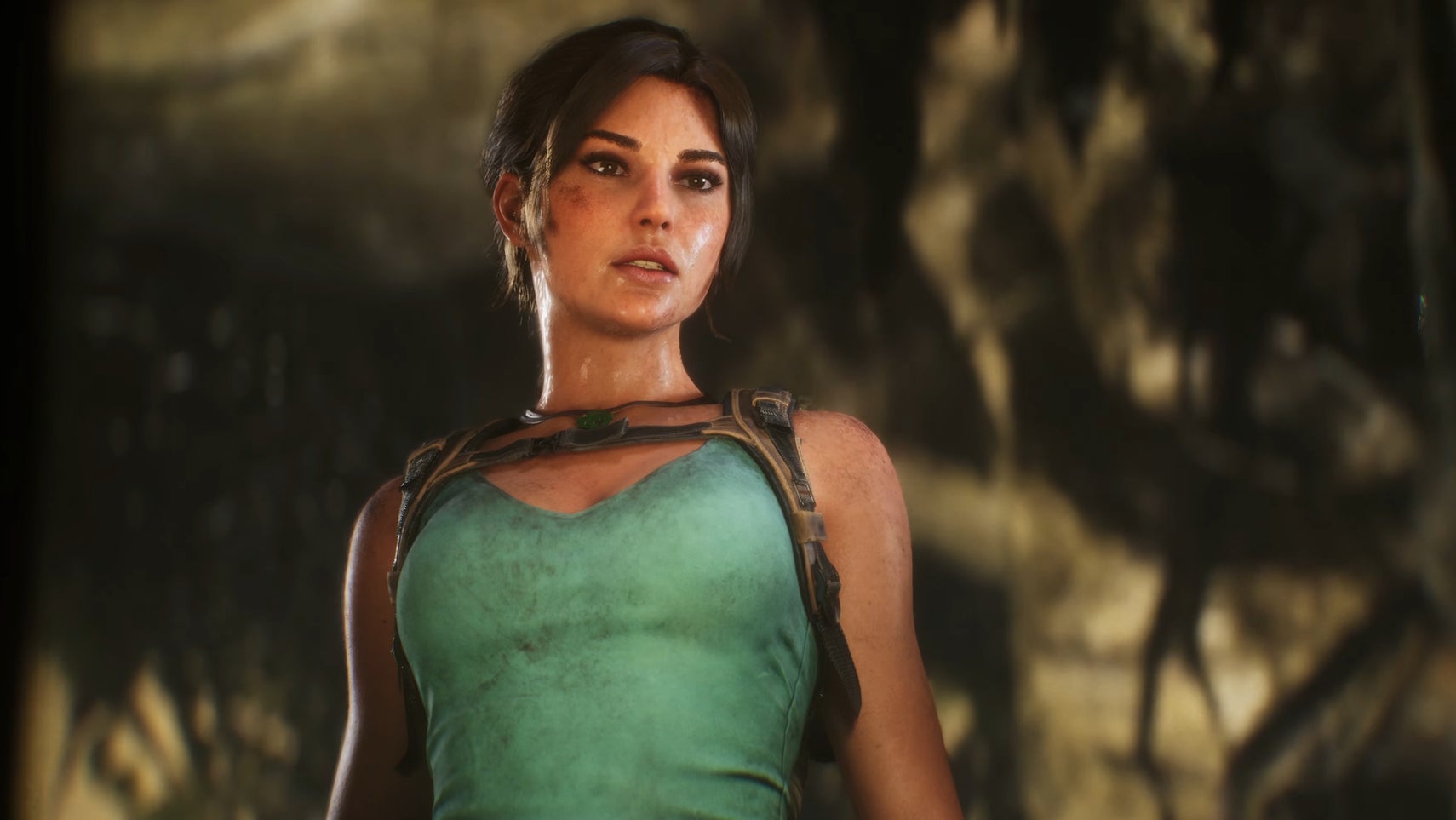
Crystal Dynamics has provided further insight into its use of artificial intelligence during the creation of Tomb Raider: Legacy of Atlantis. This follows criticism surrounding an AI disclaimer on the game's Steam page. The information was shared with GamesIndustry.biz.
The development team previously explained to Eurogamer that AI technologies are being employed to accelerate the process of idea iteration. However, they ensure that the final game content is crafted by humans. The core objective is to enhance the developers' creativity and flexibility, enabling them to produce top-notch player experiences.
At the Summer Game Fest in Los Angeles, where patrons can try out the game, experience director Jeff Adams shared an example with GamesIndustry.biz. In the initial stages of level design, generative AI assists in determining if certain objects are worth developing further.
Adams elaborated, "If we conceptualize an item for gameplay and are uncertain about dedicating development resources, we can leverage generative AI to visualize its potential within the game. If it proves worthwhile, we integrate it into the normal production process."
He continued, highlighting that while AI aids in early visualization, the final product involves human creativity and construction. This strategy aims to equip developers with the tools needed to deliver the high-quality gaming experiences anticipated by fans.
The debate over generative AI persists, as it faces criticism from gaming communities, though its adoption in game creation and publishing is on the rise.
According to an annual GDC report, 36% of developers currently utilize AI technologies. Additionally, a GamesIndustry.biz survey indicated that most industry workers support transparent AI usage disclosures on digital storefronts, even if the AI was only involved in initial concept development.